MSI Modern 14 B11MO-015XIT RAM upgrade specifications
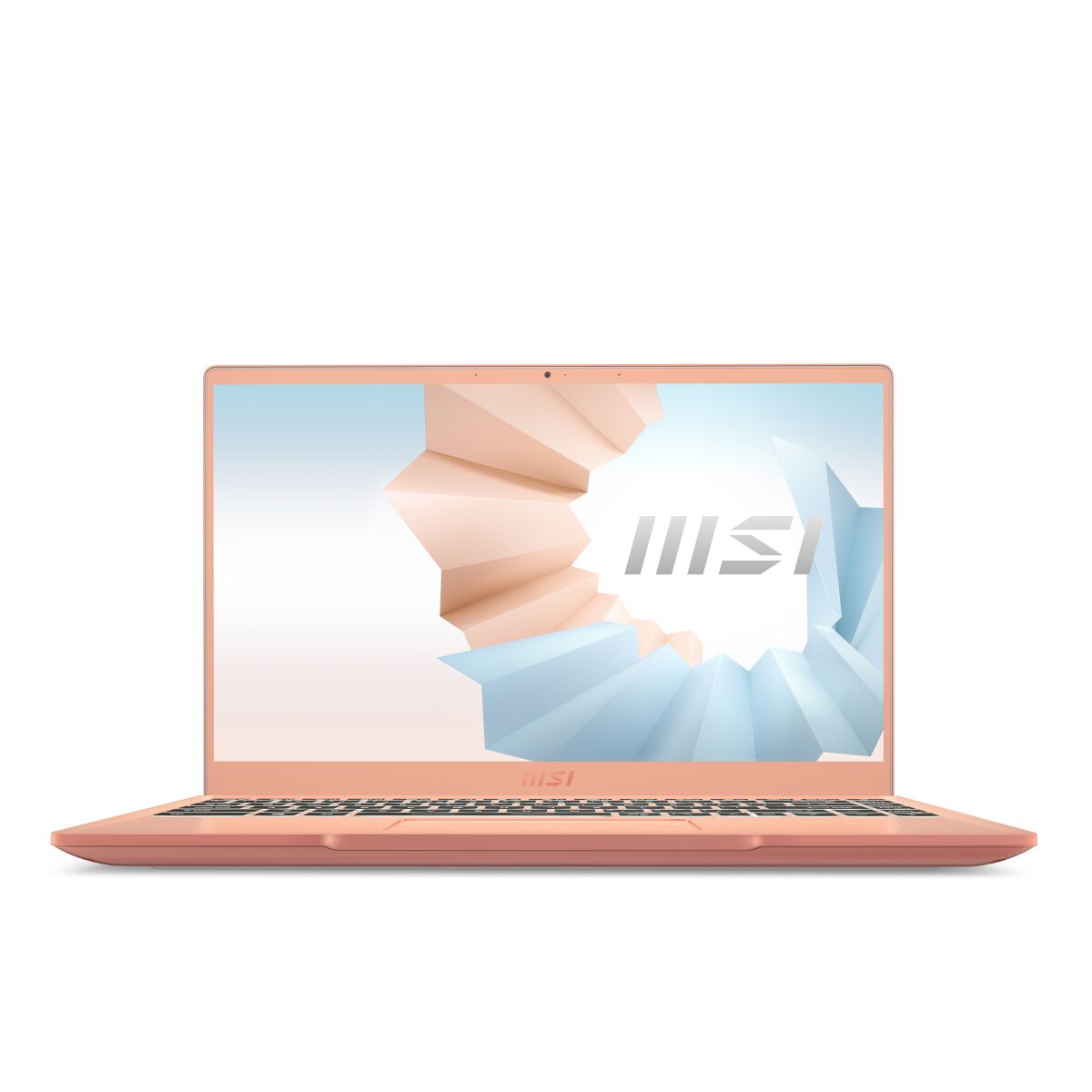
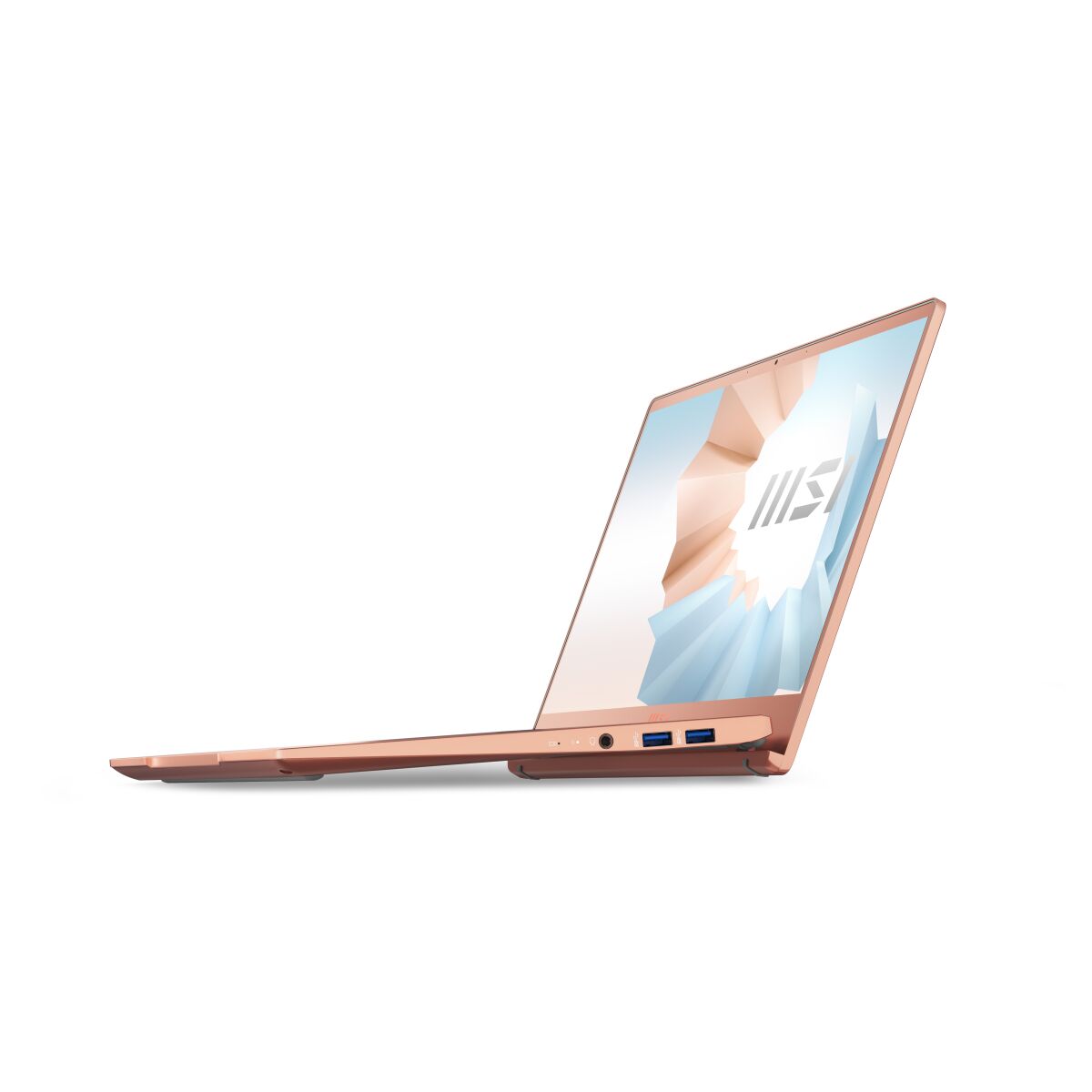
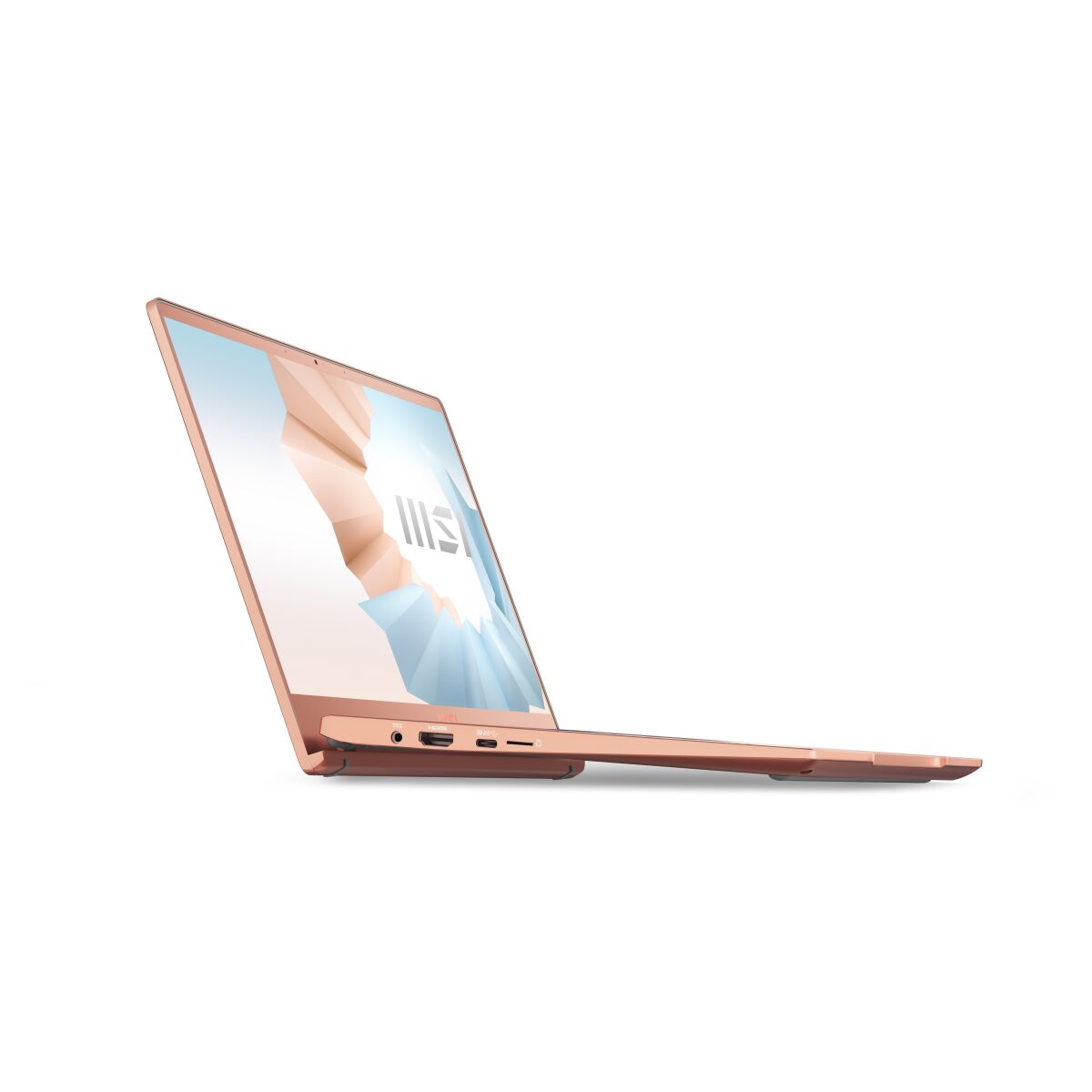
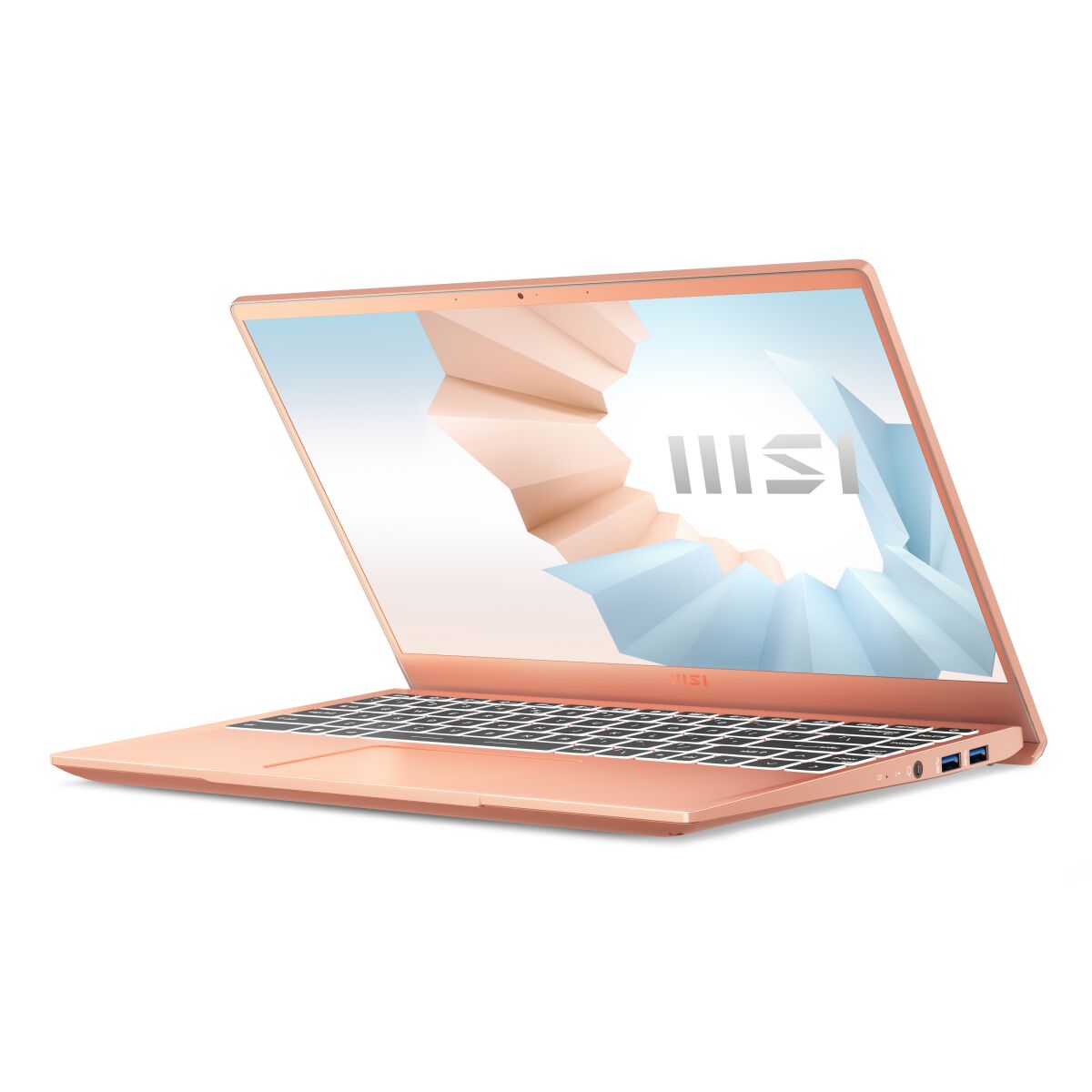
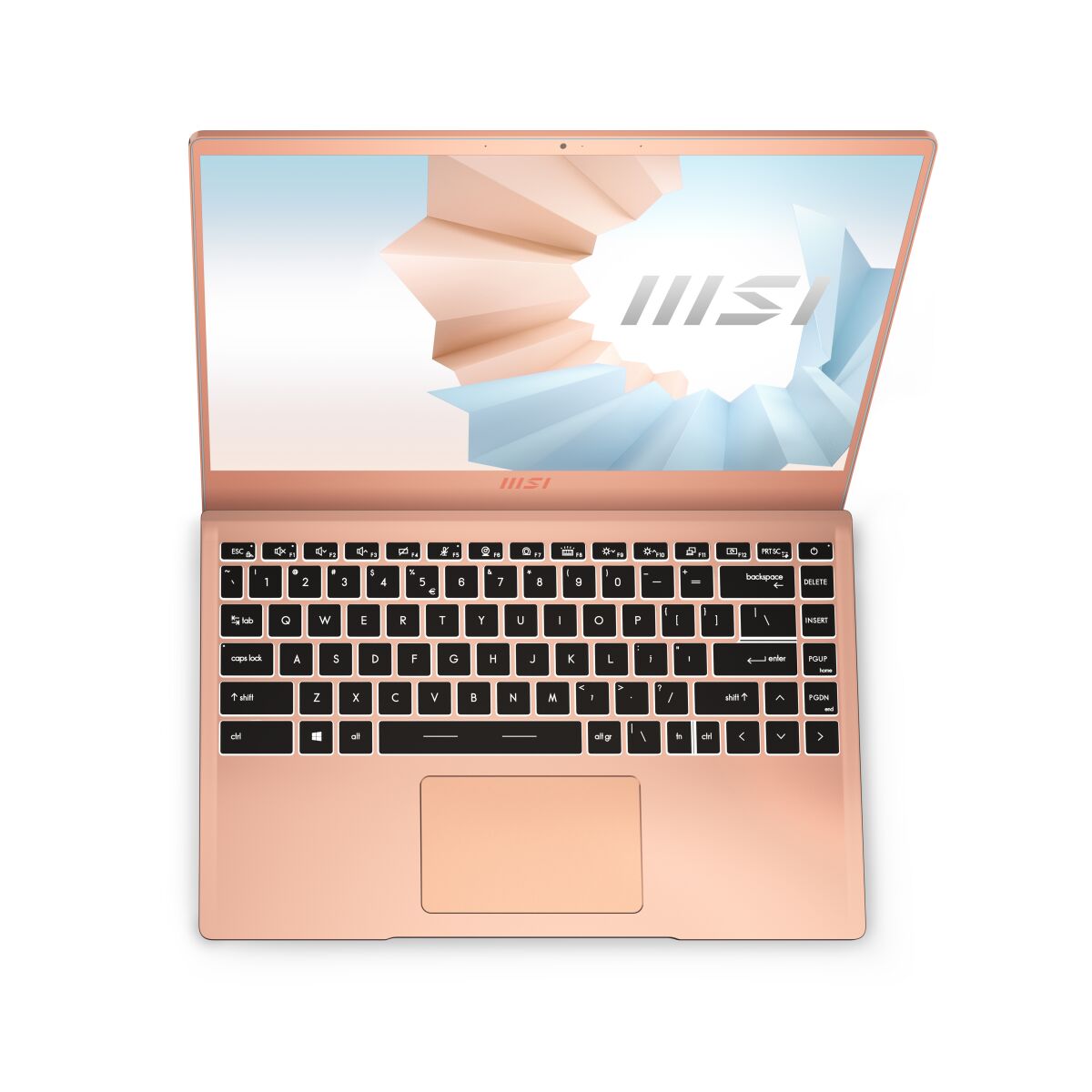
MSI Modern 14 B11MO-015XIT laptop supports DDR4-SDRAM memory upgrades through two SO-DIMM slots. Maximum RAM capacity reaches 64 GB with compatible modules operating at 3200 MHz frequency. Current memory specifications allow for dual-channel configuration upgrades. SO-DIMM form factor modules are required for compatibility with this system. Memory upgrade options enable expansion from baseline configurations to maximum supported capacity.
Memory Upgrade Specifications
| Specification | Value |
|---|---|
| Memory slots | 2x SO-DIMM |
| Form factor | SO-DIMM |
| Memory type | DDR4-SDRAM |
| Frequency | 3200 MHz |
| Maximum RAM | 64 GB |
| Voltage | 1.2V |
| Number of pins | 260-pin |
| Interface | PC4 |
| PC Speed Rating | PC4-3200 (PC4-25600) |
| Bandwidth | 25.6 GB/s |
| Laptop Release date | 16 January 2021 |
Additional Notes
- The MSI Modern 14 B11MO-015XIT contains 2 SO-DIMM slots that support DDR4-SDRAM at 3200 MHz, establishing a maximum theoretical bandwidth of 51.2 gigabytes per second per channel.
- Achieving the 64 GB maximum capacity requires both slots to be populated with 32 GB modules, which are currently expensive relative to 16 GB alternatives and may incur storage density premiums that exceed 25 percent.
- SO-DIMM form factor creates accessibility constraints; the upgrade procedure typically requires removal of the bottom panel or keyboard assembly, extending installation time beyond standard desktop DIMM procedures.
- DDR4-3200 MHz support indicates compatibility with Intel 11th generation mobile processors, which lack the DDR5 capability present in newer processor families, effectively capping future processor upgrade viability if performed through socket-level replacement.
- The 2-slot architecture contains no redundancy; failure of a single module results in immediate system instability or non-function rather than degraded operation.
- Memory expansion beyond 32 GB total capacity requires full module replacement rather than additive population, as the slot constraint prevents incremental capacity growth without discarding existing functional hardware.
- Warranty preservation depends on manufacturer specifications; third-party memory installation may void coverage unless the system documentation explicitly permits user-level memory upgrades without service authorization penalties.