MSI Modern 14 B11MO-017IT RAM upgrade specifications
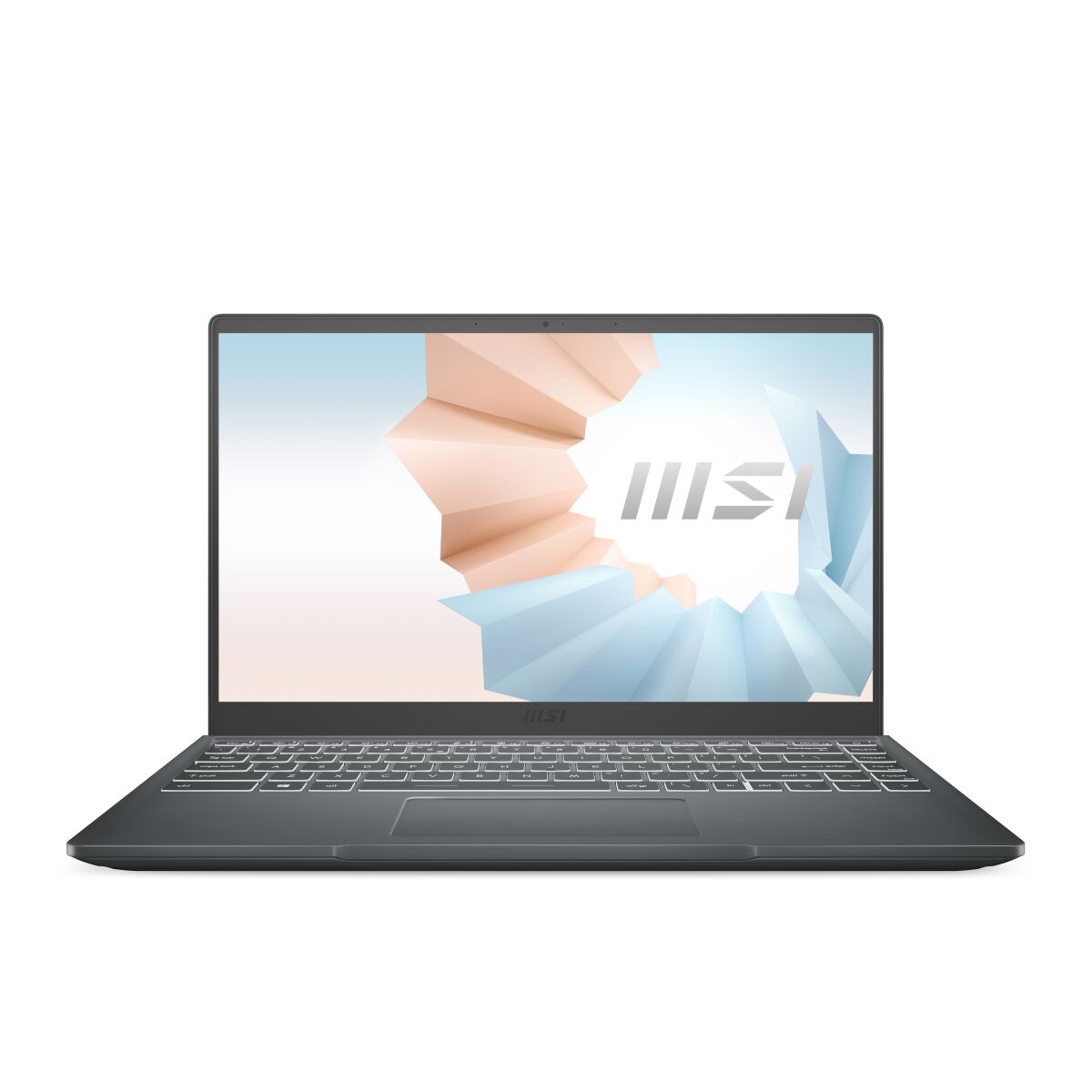
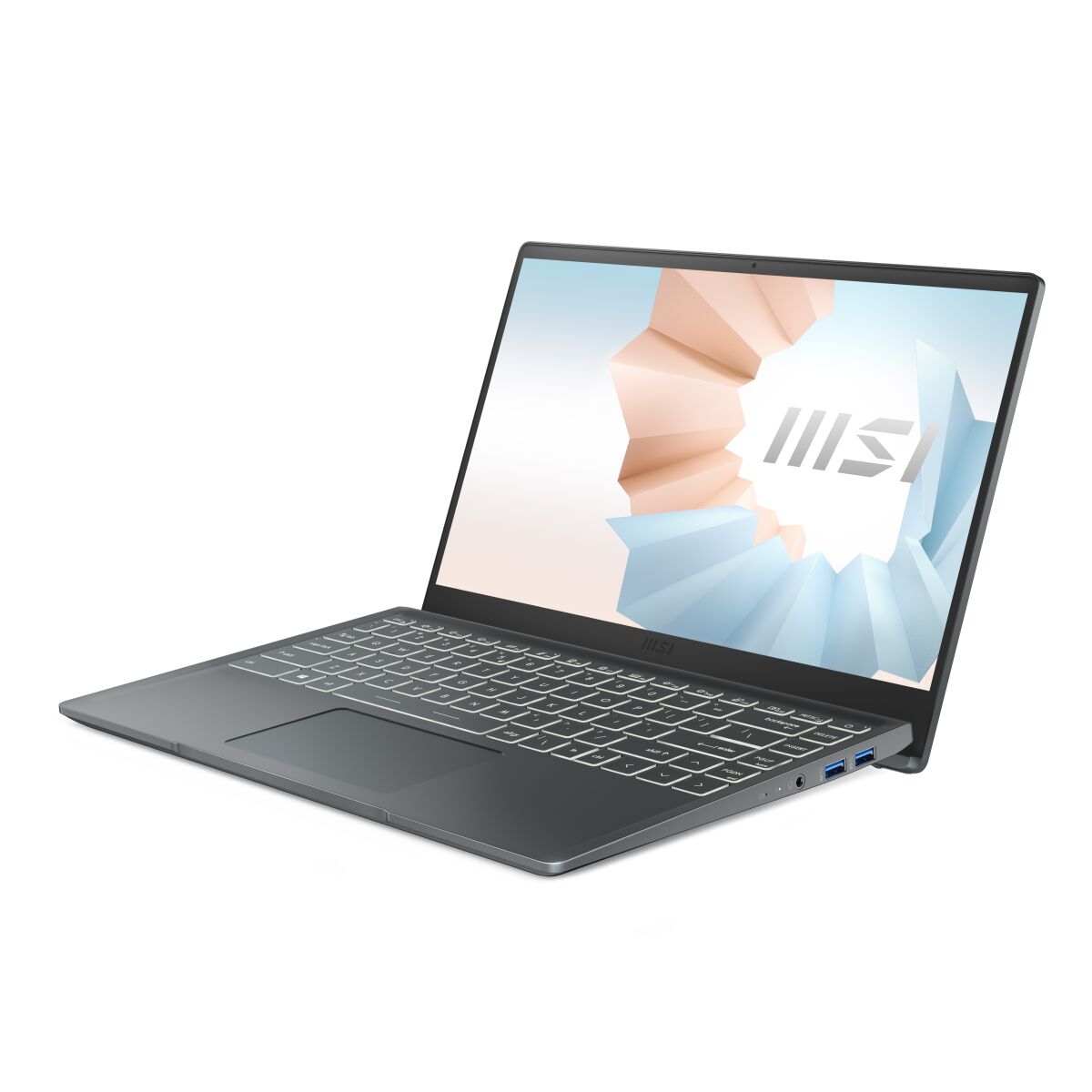
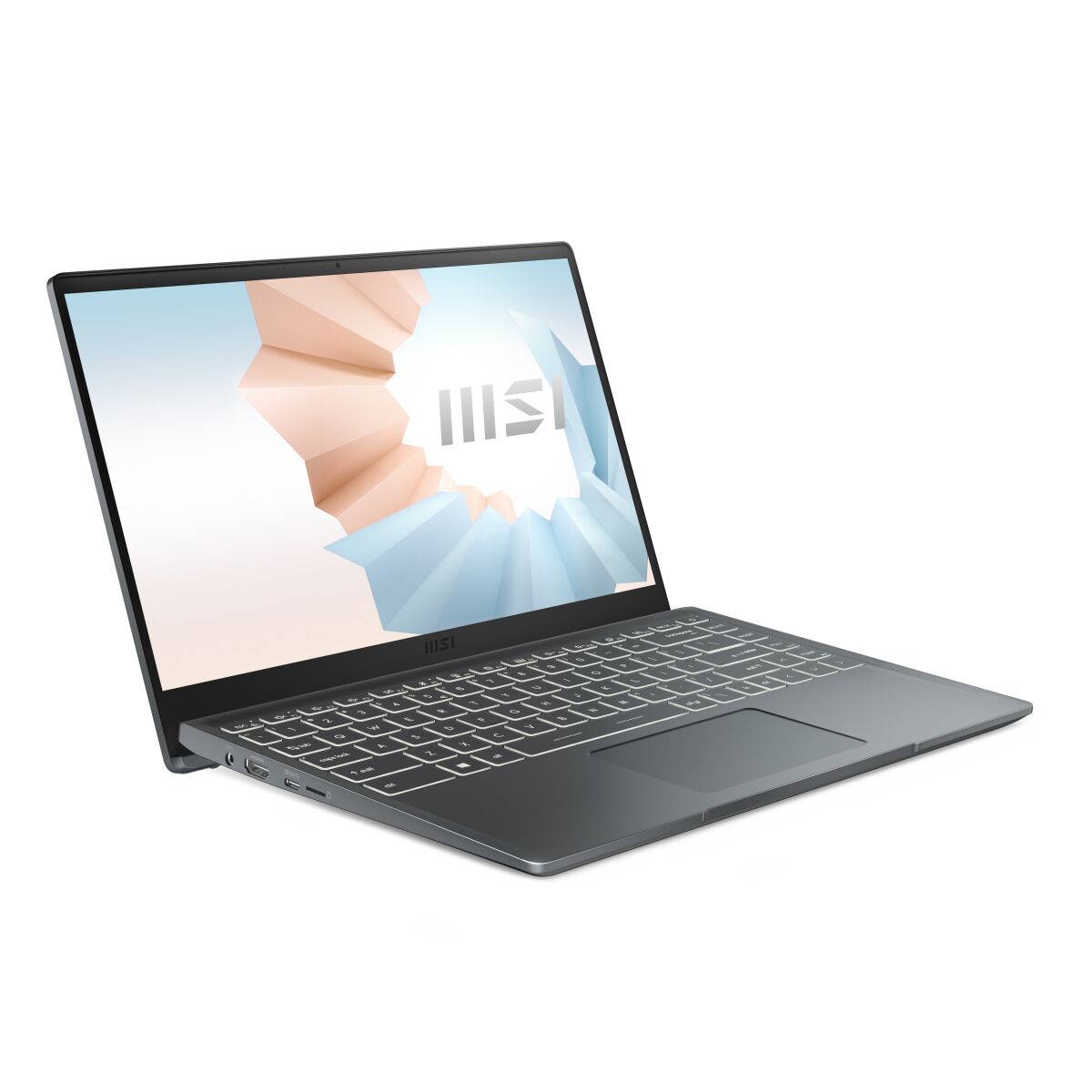
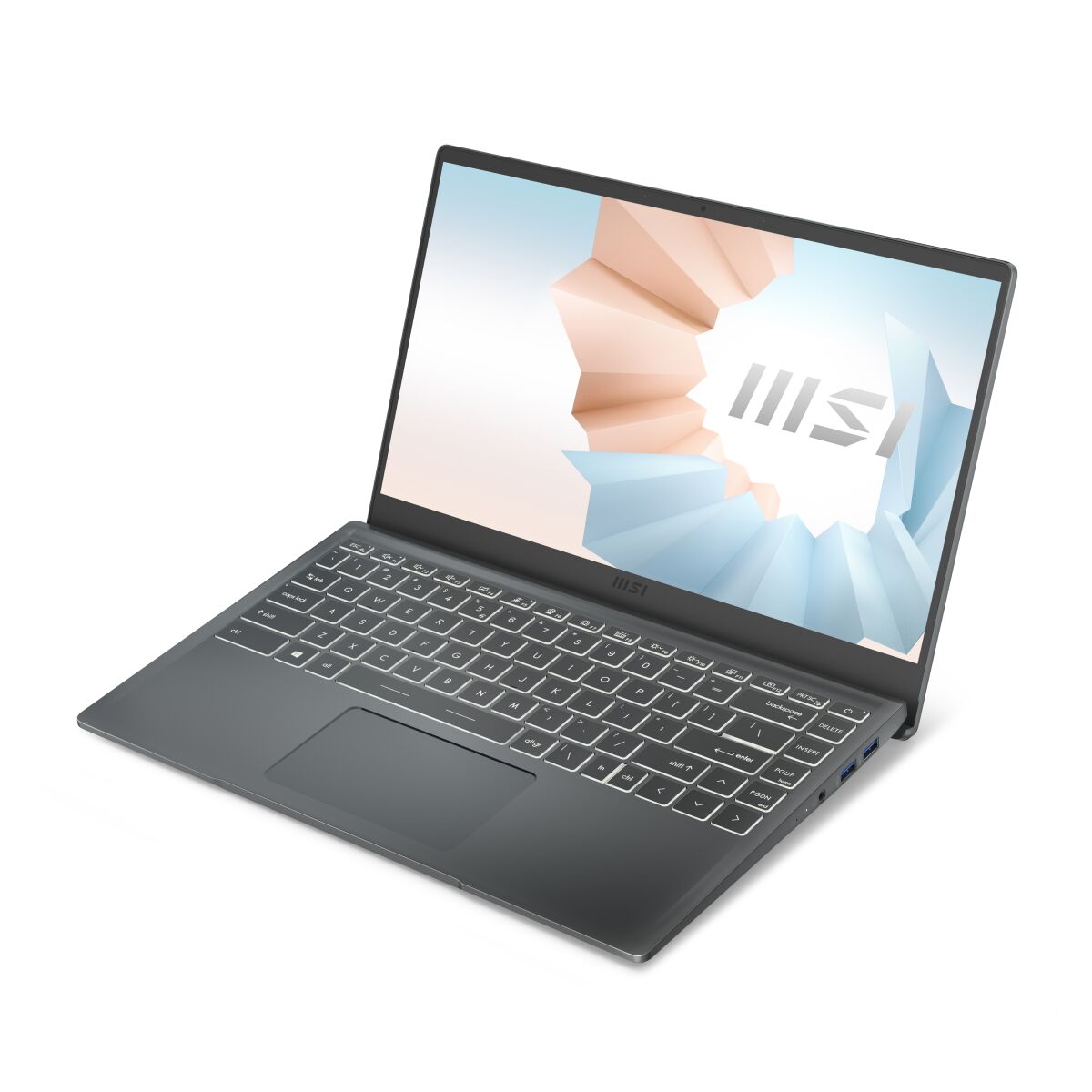
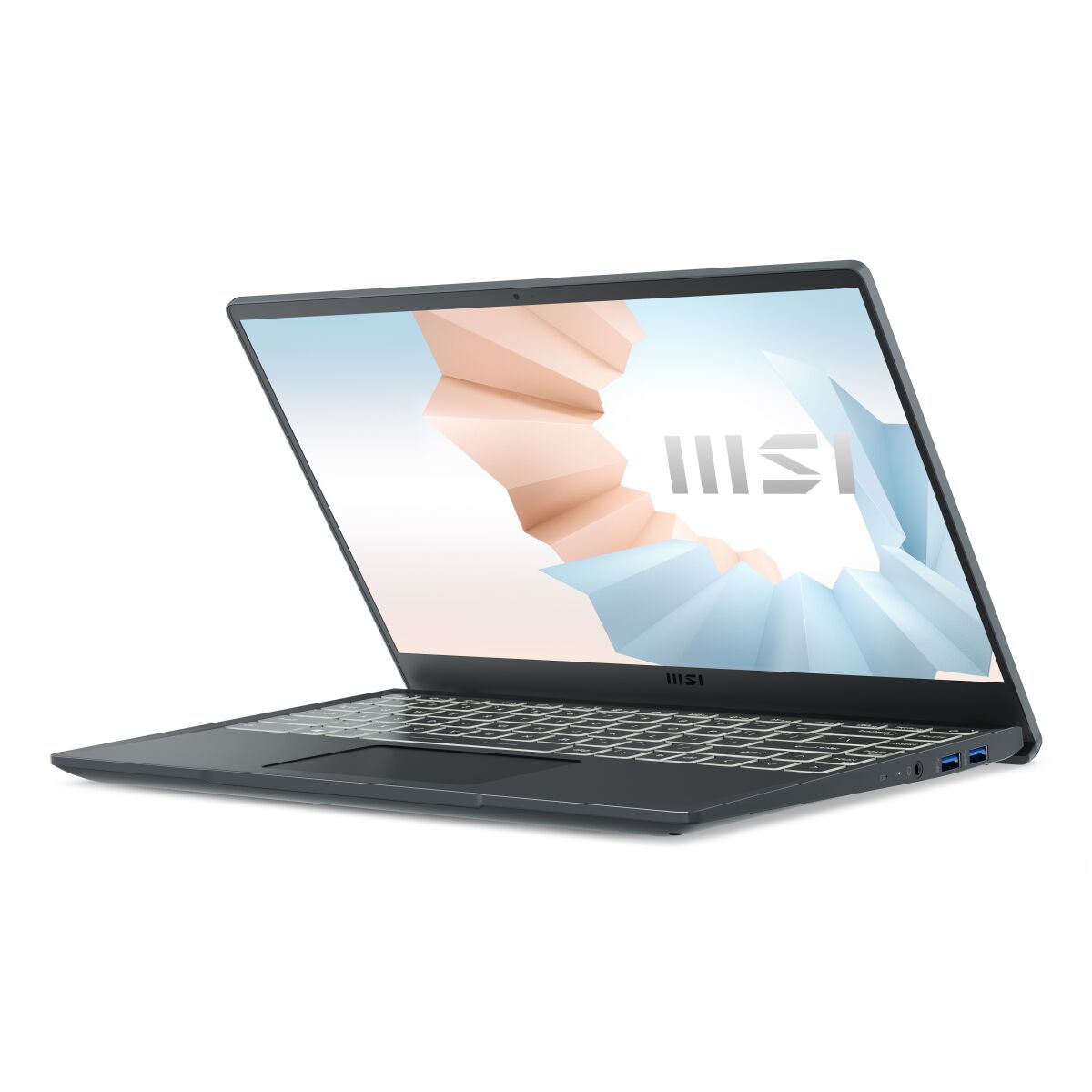
The MSI Modern 14 B11MO-017IT laptop features DDR4-SDRAM memory upgrade specifications. The system includes 2x SO-DIMM slots for memory expansion. Maximum RAM capacity reaches 64 GB, supporting DDR4 modules operating at 3200 MHz frequency. The SO-DIMM form factor ensures compatibility with standard laptop memory upgrades. Users can expand memory capacity by installing compatible DDR4-SDRAM modules in the available slots to enhance system performance and multitasking capabilities.
Memory Upgrade Specifications
| Specification | Value |
|---|---|
| Memory slots | 2x SO-DIMM |
| Form factor | SO-DIMM |
| Memory type | DDR4-SDRAM |
| Frequency | 3200 MHz |
| Maximum RAM | 64 GB |
| Voltage | 1.2V |
| Number of pins | 260-pin |
| Interface | PC4 |
| PC Speed Rating | PC4-3200 (PC4-25600) |
| Bandwidth | 25.6 GB/s |
| Laptop Release date | 16 January 2021 |
Additional Notes
- The presence of 2 physical SO-DIMM slots in the MSI Modern 14 B11MO-017IT enables dual-channel memory architecture, which provides significant bandwidth improvements for integrated graphics processing compared to single-channel configurations.
- The 64 GB maximum capacity requires the use of high-density 32 GB modules per slot, which may necessitate a BIOS update to ensure full stability and correct timing recognition.
- Installing modules with frequencies higher than 3200 MHz will result in automatic downclocking to the system bus limit, as the chipset does not support XMP or manual memory overclocking profiles.
- Upgrading memory requires the removal of the entire bottom chassis panel, which involves penetrating a factory seal sticker that may impact local warranty terms depending on regional consumer laws.
- Internal space restrictions within the slim chassis mandate the use of standard height modules, as those equipped with thick metal heat spreaders will cause physical interference with the back cover.
- Mixing modules with different CAS latencies will force the system to operate at the timings of the slowest installed stick, potentially increasing overall memory latency.
- The motherboard architecture typically shares system memory with the integrated GPU, meaning higher RAM capacity directly increases the maximum VRAM buffer size available for graphical tasks.