MSI Modern 14 B4MW-010 RAM upgrade specifications
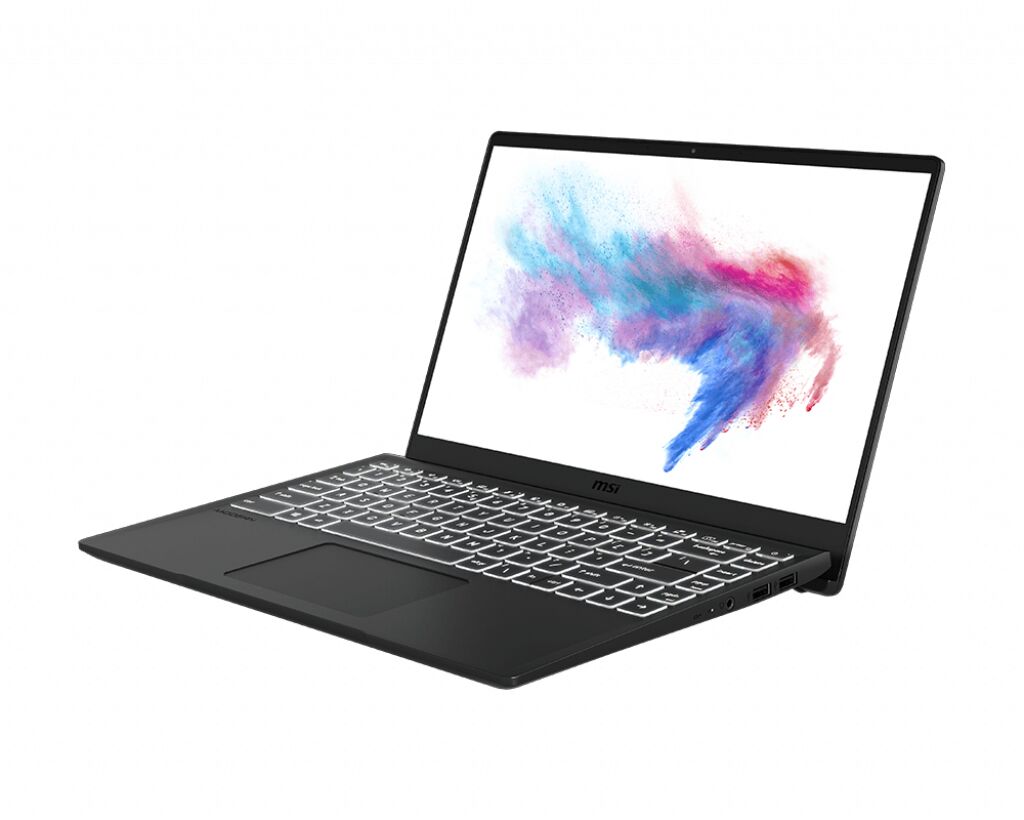
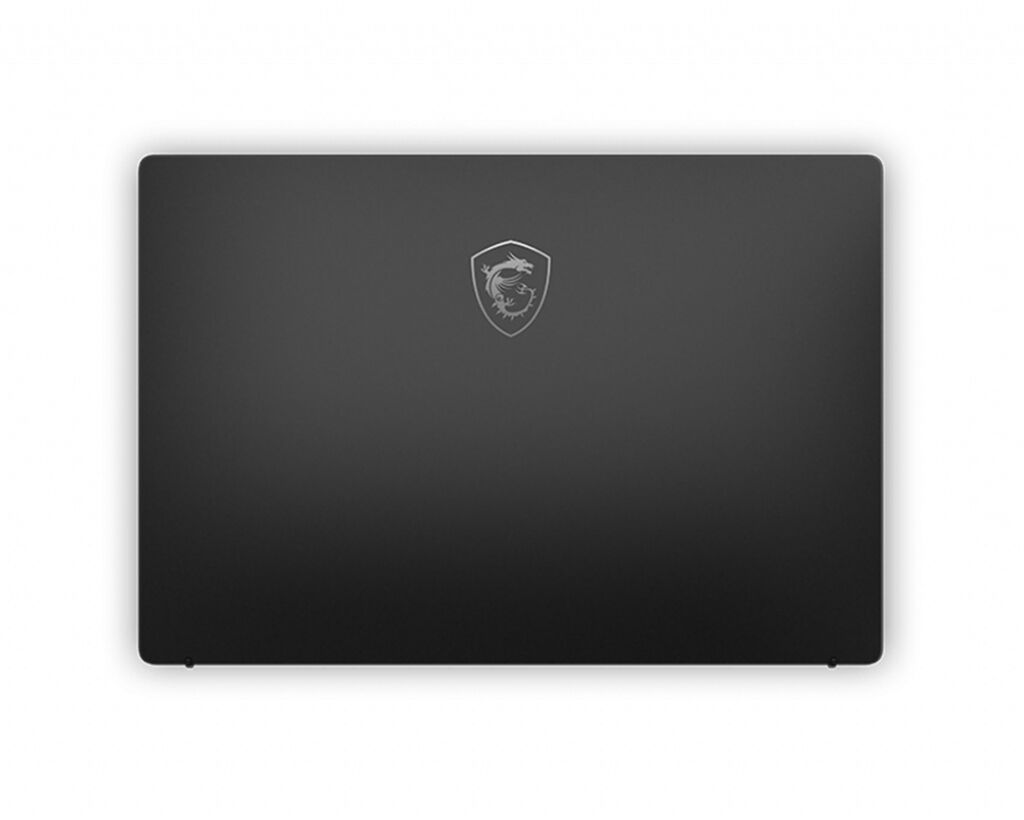
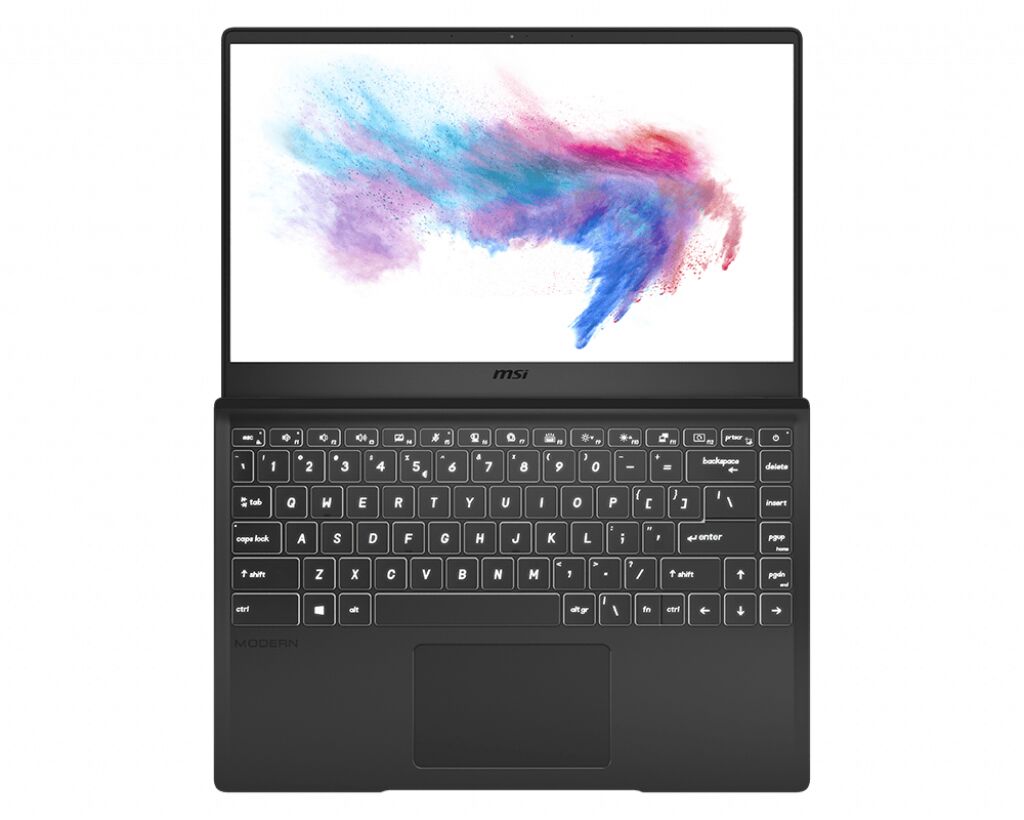
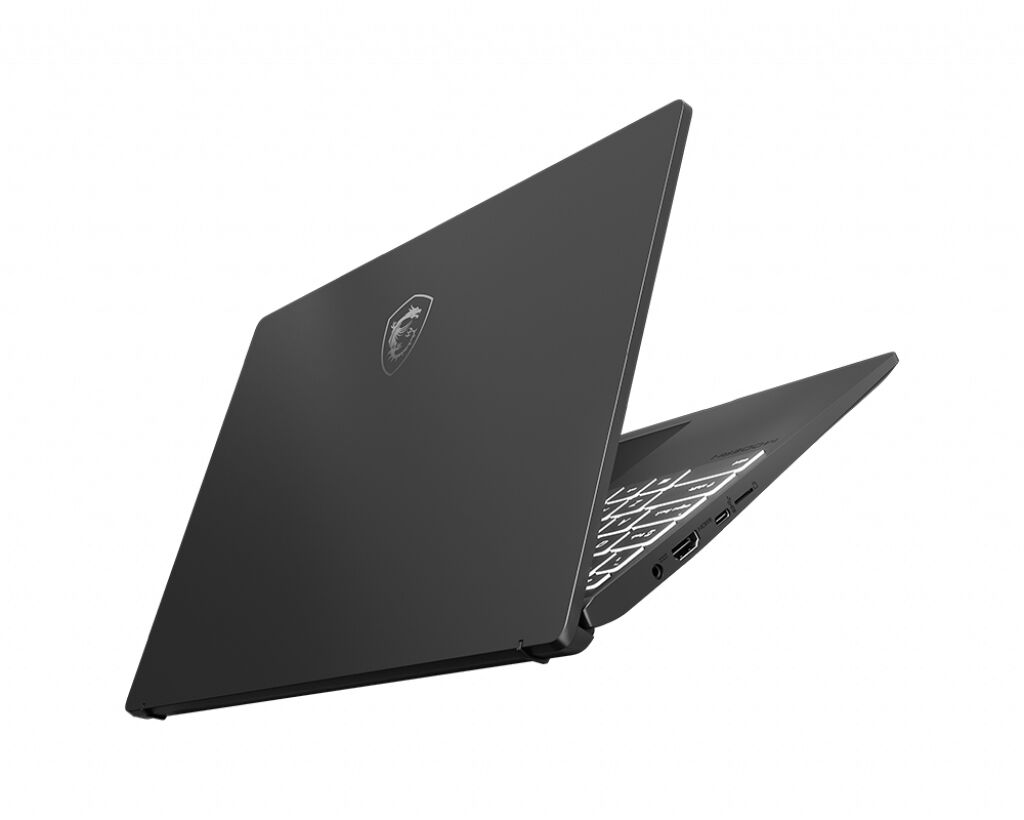
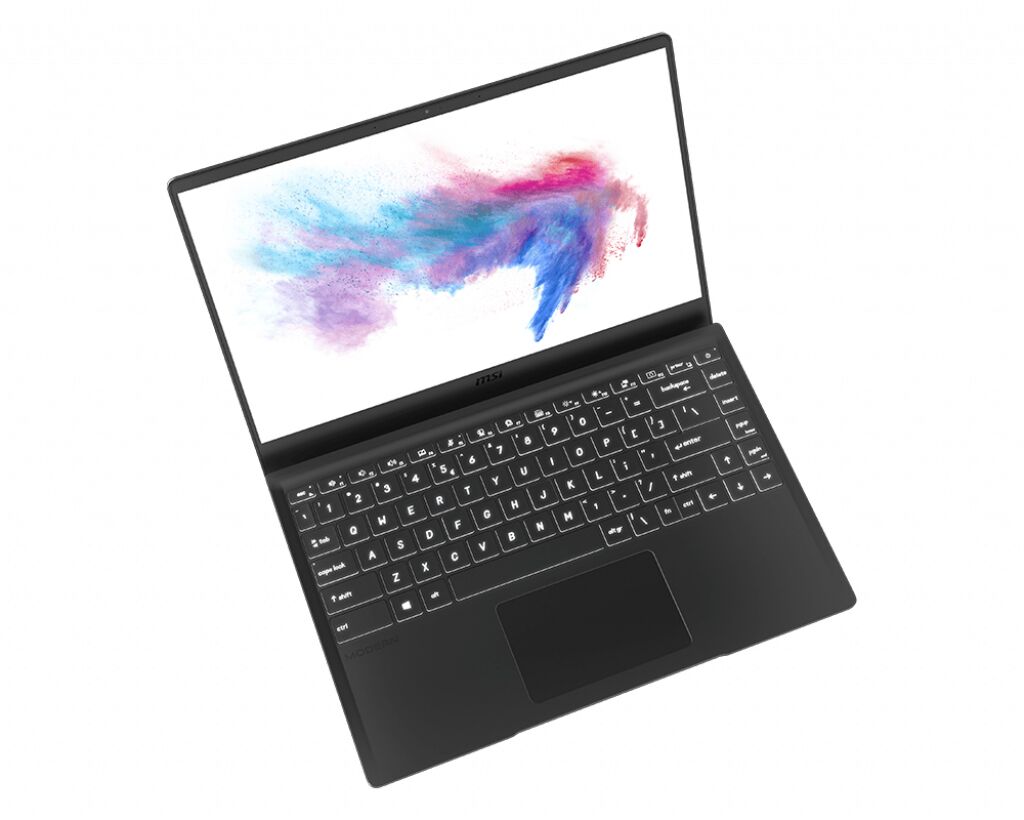
The MSI Modern 14 B4MW-010 laptop contains two SO-DIMM slots supporting DDR4-SDRAM memory modules. The maximum RAM capacity for this model reaches 64 GB total. Compatible memory specifications include DDR4 modules operating at 2666 MHz frequency. Upgrade options allow users to expand the laptop's memory by installing compatible SO-DIMM form factor RAM modules into the available slots. The specifications support memory configurations suitable for enhanced multitasking and application performance on the Modern series 14-inch platform.
Memory Upgrade Specifications
| Specification | Value |
|---|---|
| Memory slots | 2x SO-DIMM |
| Form factor | SO-DIMM |
| Memory type | DDR4-SDRAM |
| Frequency | 2666 MHz |
| Maximum RAM | 64 GB |
| Voltage | 1.2V |
| Number of pins | 260-pin |
| Interface | PC4 |
| PC Speed Rating | PC4-2666 (PC4-21328) |
| Bandwidth | 21.3 GB/s |
| Laptop Release date | 26 May 2020 |
Additional Notes
- The MSI Modern 14 B4MW-010 supports DDR4-3200 memory modules despite the factory configuration running at 2666 MHz, providing a direct upgrade path to higher-speed SO-DIMMs without BIOS modifications on most firmware revisions.
- Dual SO-DIMM architecture permits mixed-capacity configurations up to 64 GB total, such as pairing a 32 GB module with existing memory, though mismatched speeds will throttle both modules to the slower frequency.
- SO-DIMM physical constraints require exact vertical insertion at a 45-degree angle followed by downward pressure until retention clips engage; improper seating causes intermittent memory errors and potential controller damage.
- The 64 GB capacity ceiling indicates a single-channel limitation or controller constraint, as some competing 14-inch models support 96 GB with 3x or 4x slot configurations.
- DDR4-2666 baseline frequency represents a potential performance bottleneck in applications requiring sustained memory bandwidth, such as video encoding or large dataset processing, compared to DDR4-3200 capable hardware.
- Factory warranty retention requires discharging static electricity through a grounding strap before SO-DIMM removal; antistatic precautions protect the system controller and slot contacts from permanent degradation.
- Memory thermal performance becomes relevant above 3000 MHz operation; SO-DIMM modules with integrated heat spreaders dissipate heat more effectively than bare modules, affecting sustained clock stability during intensive workloads.