MSI Modern 14 B4MW-016XIT RAM upgrade specifications
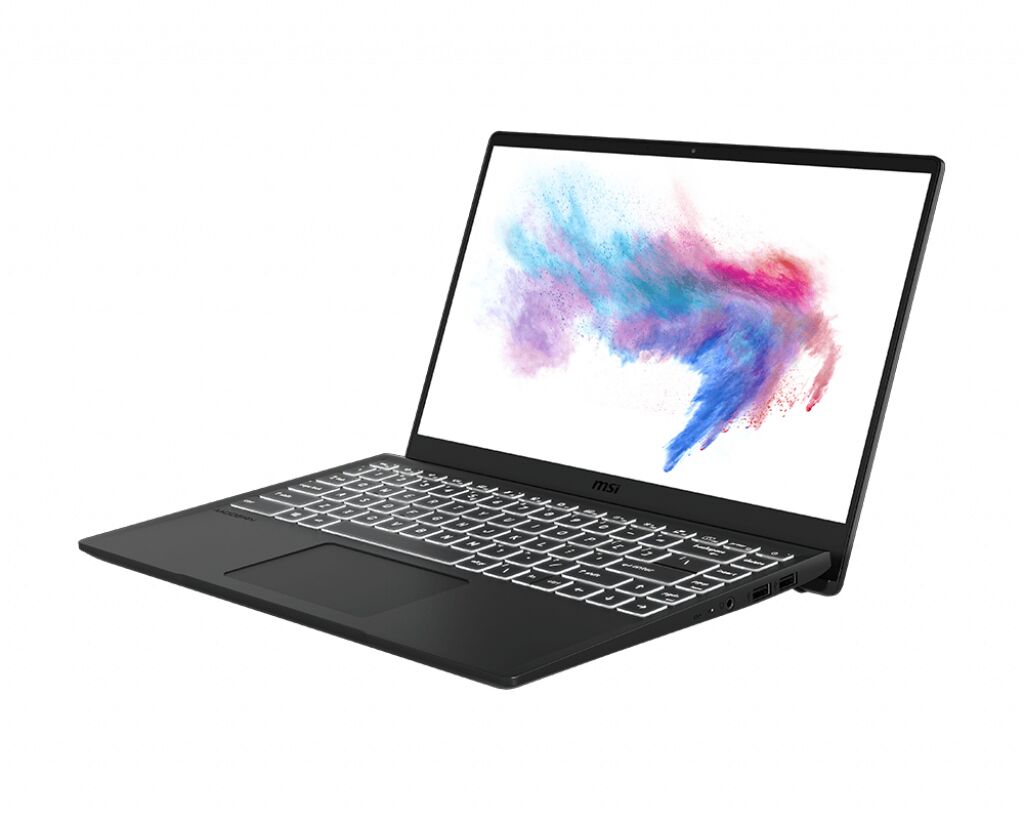
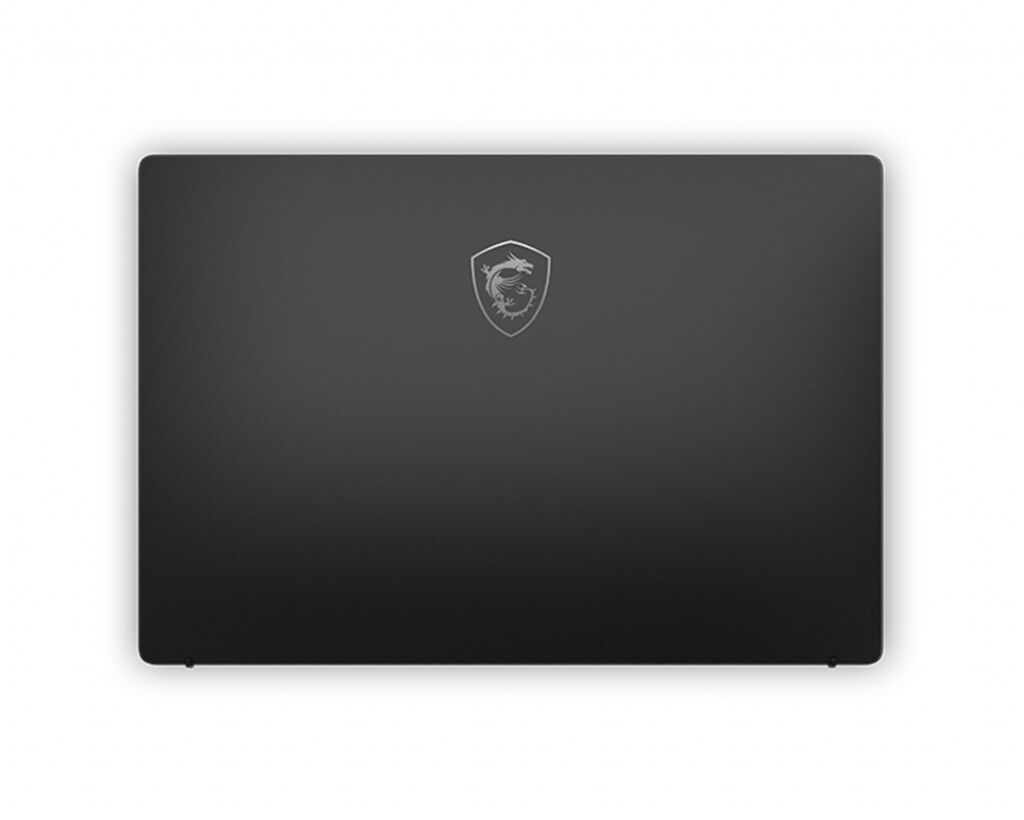
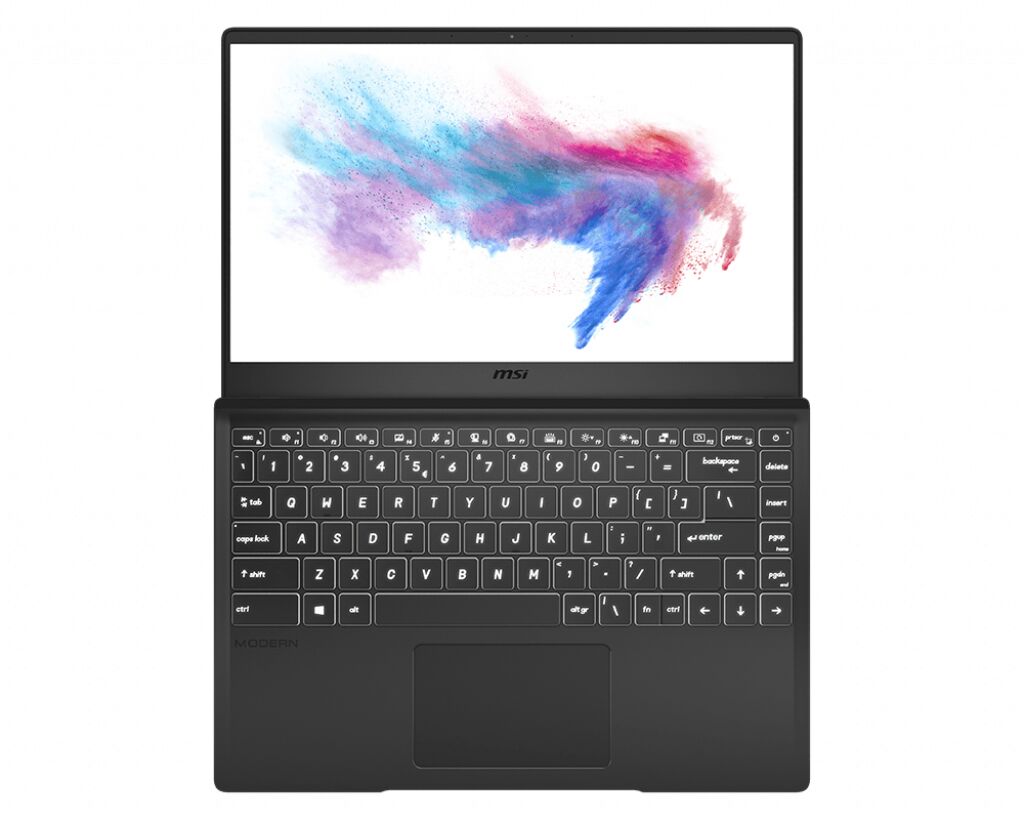
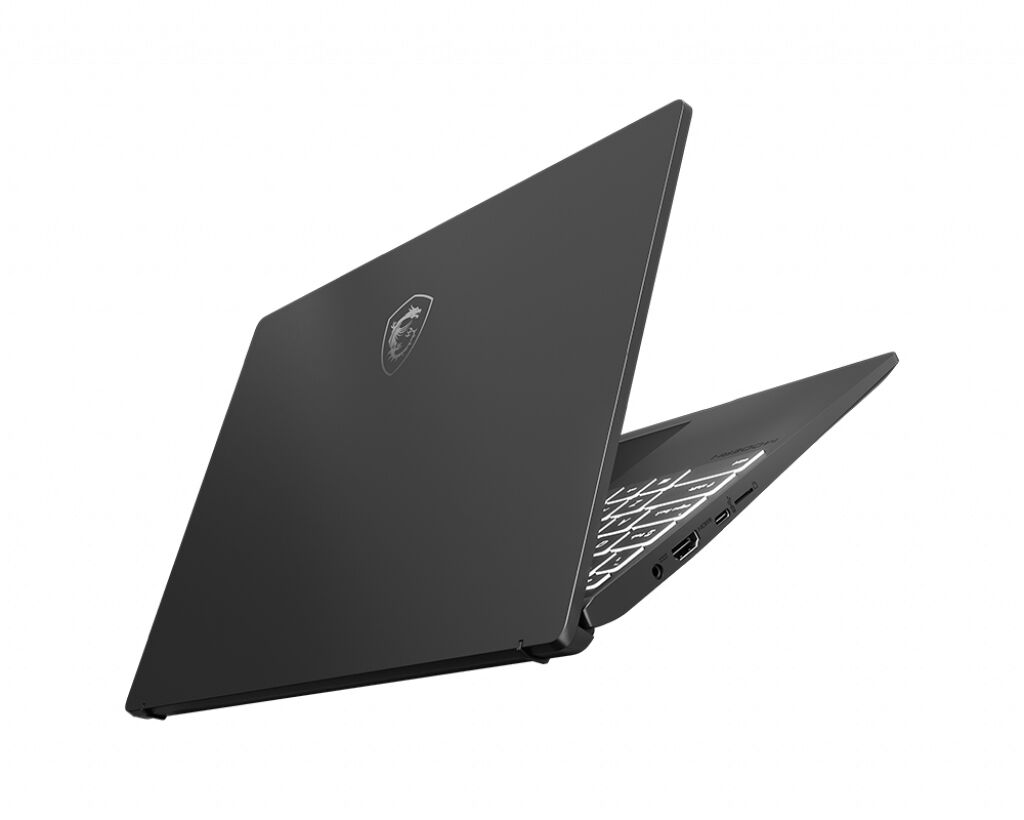
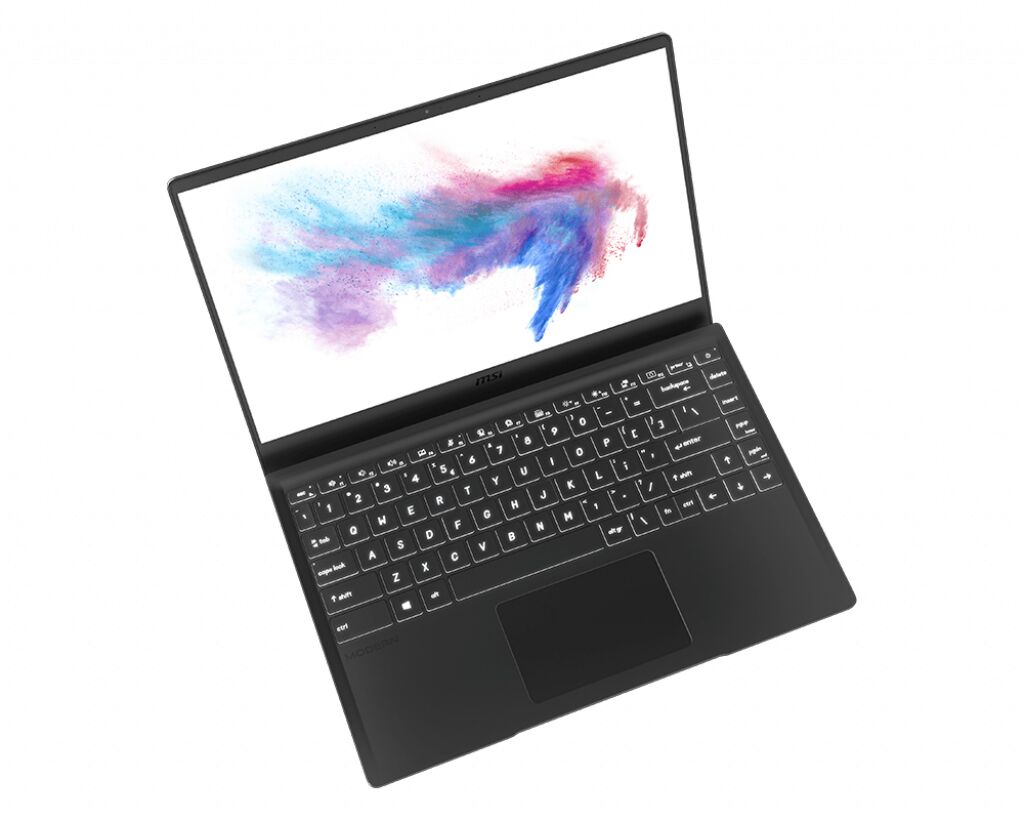
The MSI Modern 14 B4MW-016XIT laptop features two SO-DIMM memory slots supporting DDR4-SDRAM specifications. Maximum RAM capacity reaches 64 GB with compatible memory modules operating at 3200 MHz frequency. Upgrade specifications indicate dual-channel memory configuration enabling expansion from base factory configuration to maximum supported capacity through SO-DIMM form factor modules.
Memory Upgrade Specifications
| Specification | Value |
|---|---|
| Memory slots | 2x SO-DIMM |
| Form factor | SO-DIMM |
| Memory type | DDR4-SDRAM |
| Frequency | 3200 MHz |
| Maximum RAM | 64 GB |
| Voltage | 1.2V |
| Number of pins | 260-pin |
| Interface | PC4 |
| PC Speed Rating | PC4-3200 (PC4-25600) |
| Bandwidth | 25.6 GB/s |
| Laptop Release date | 24 June 2020 |
Additional Notes
- The MSI Modern 14 B4MW-016XIT contains 2 SO-DIMM slots, which means only one existing module can be replaced while preserving the second slot for future expansion or dual-channel retention during initial upgrades.
- DDR4-3200 memory operates at 3200 MHz, establishing a hard ceiling for compatible modules; higher-speed DDR4 variants (3600 MHz and above) will downclock to 3200 MHz, making premium memory purchases economically inefficient.
- The 64 GB maximum capacity requires both SO-DIMM slots to be populated with 32 GB modules; mixing module capacities (e.g., 16 GB and 48 GB) remains impossible due to SO-DIMM availability constraints in the consumer market.
- SO-DIMM modules occupy minimal physical space typical of 14-inch ultrabooks, but accessing the memory slots typically requires removal of the bottom chassis panel; warranty implications depend on MSI's specific service policies regarding end-user serviceable components.
- DDR4 technology in this configuration generates marginally higher power consumption than equivalent DDR5 systems, affecting battery runtime by approximately 3-5% during memory-intensive workloads, though the impact remains negligible in typical office applications.
- The 3200 MHz frequency bandwidth (25.6 GB/s per module) may create performance bottlenecks when paired with newer-generation processors designed for DDR5 memory speeds, limiting the upgrade window before architectural mismatches diminish return on investment.