MSI Modern 15 A10M-005IT RAM upgrade specifications
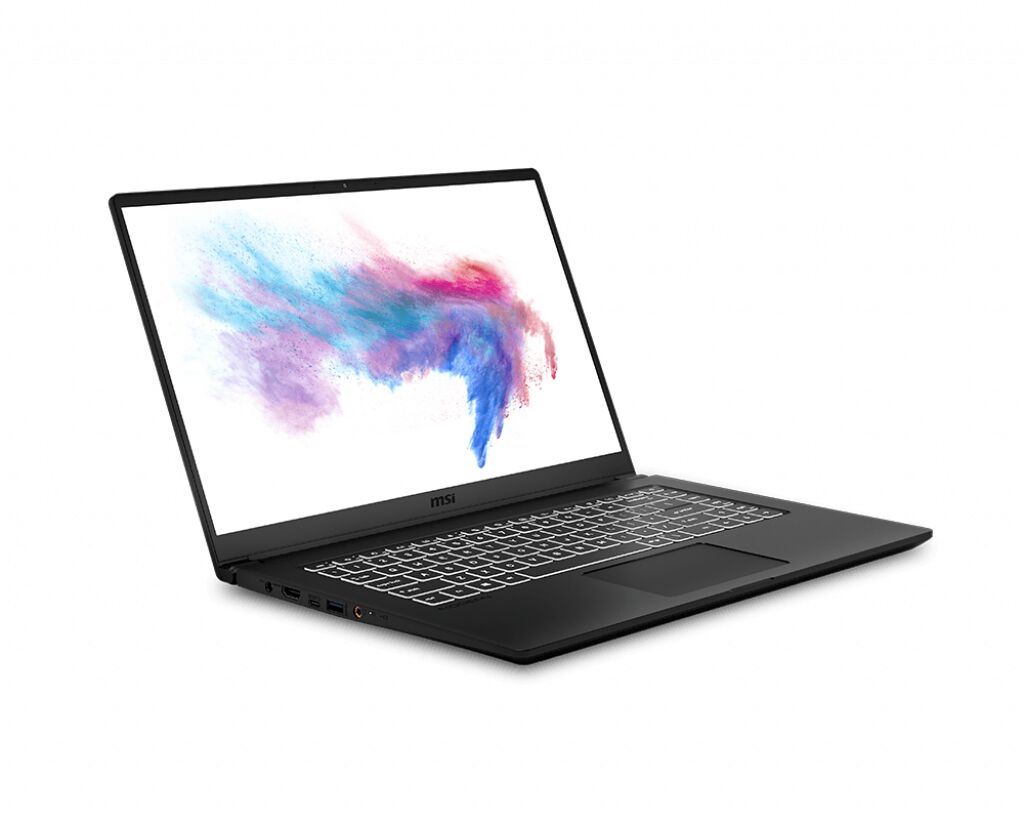

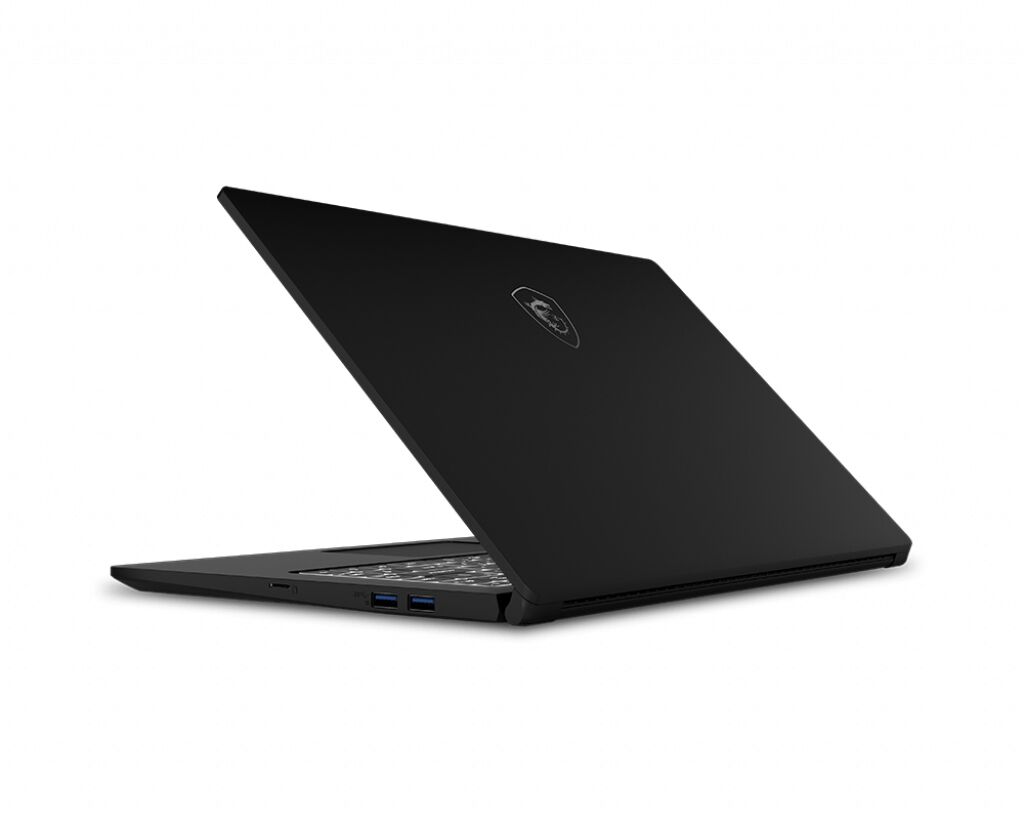
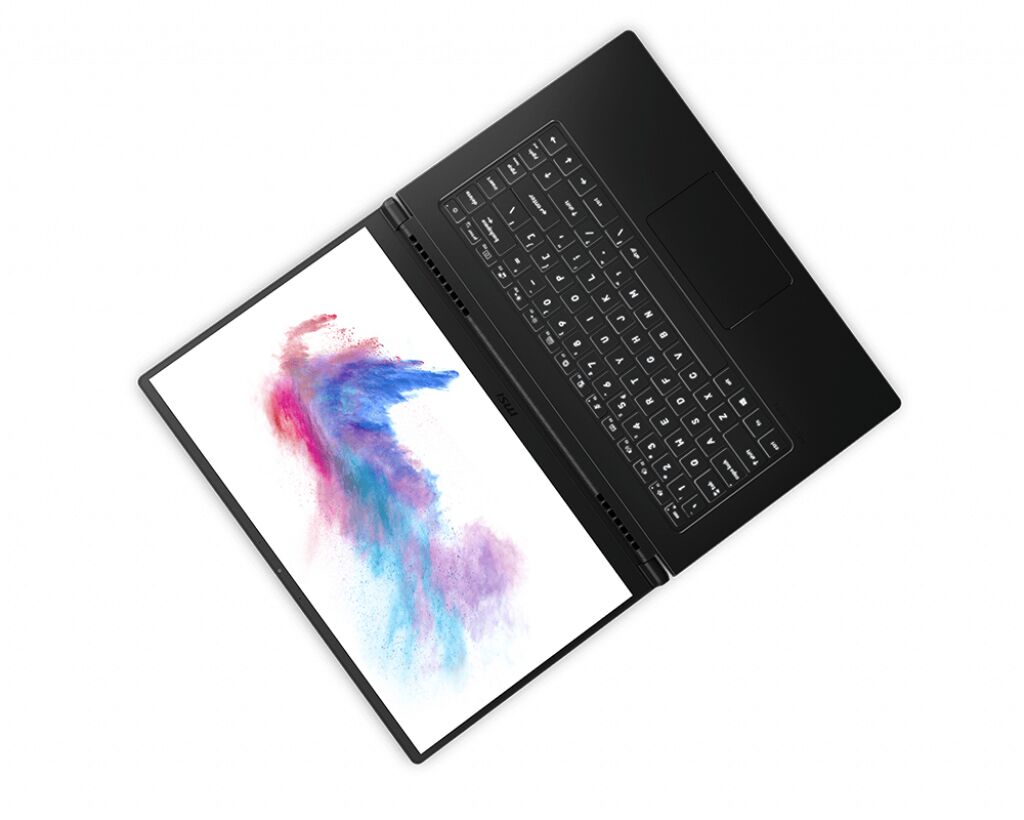
MSI Modern 15 A10M-005IT RAM upgrade specifications include DDR4-SDRAM memory type with 2x SO-DIMM slots. The laptop supports maximum RAM capacity of 64 GB through compatible SO-DIMM modules operating at 2666 MHz frequency. Users seeking memory upgrades for this MSI model can install additional DDR4 modules to enhance system performance, with each slot accommodating up to 32 GB capacity for total specifications reaching the maximum supported limit.
Memory Upgrade Specifications
| Specification | Value |
|---|---|
| Memory slots | 2x SO-DIMM |
| Form factor | SO-DIMM |
| Memory type | DDR4-SDRAM |
| Frequency | 2666 MHz |
| Maximum RAM | 64 GB |
| Voltage | 1.2V |
| Number of pins | 260-pin |
| Interface | PC4 |
| PC Speed Rating | PC4-2666 (PC4-21328) |
| Bandwidth | 21.3 GB/s |
| Laptop Release date | 31 October 2019 |
Additional Notes
- The MSI Modern 15 A10M-005IT employs DDR4 technology, which excludes compatibility with older DDR3 or newer DDR5 modules due to incompatible voltage requirements and physical notch positioning.
- The 2666 MHz frequency specification indicates this system likely uses a 10th generation Intel Core processor, as this speed aligns with JEDEC standards for that platform generation.
- Dual-channel memory architecture becomes accessible when populating both SO-DIMM slots with matched modules, potentially doubling memory bandwidth compared to single-slot configurations.
- The 64 GB maximum capacity requires 2 modules of 32 GB each, a configuration that became widely available in consumer SO-DIMM form factors only after 2019.
- SO-DIMM modules measure 67.6 mm in length compared to 133.35 mm for desktop DIMM counterparts, making standard desktop memory physically incompatible with this notebook.
- Memory access typically occurs through a bottom panel or keyboard deck, with manufacturer warranty preservation depending on whether RAM slots are designated as user-accessible components in regional service documentation.
- Systems limited to 2666 MHz will automatically downclock higher-rated modules such as 3200 MHz to the maximum supported frequency, negating any performance advantage from faster-rated memory.
- Mixing modules with different capacities between slots remains functional but may disable dual-channel operation for the capacity exceeding the smaller module, creating asymmetric performance zones.
- Non-ECC unbuffered memory represents the standard specification for this consumer-grade platform, as registered or error-correcting modules target server applications incompatible with mobile chipsets.
- Single-rank versus dual-rank module architecture affects trace loading on the memory controller, with some 32 GB modules using dual-rank designs that may impact stability when both slots operate at maximum capacity.