MSI Modern 15 A10M-029 RAM upgrade specifications


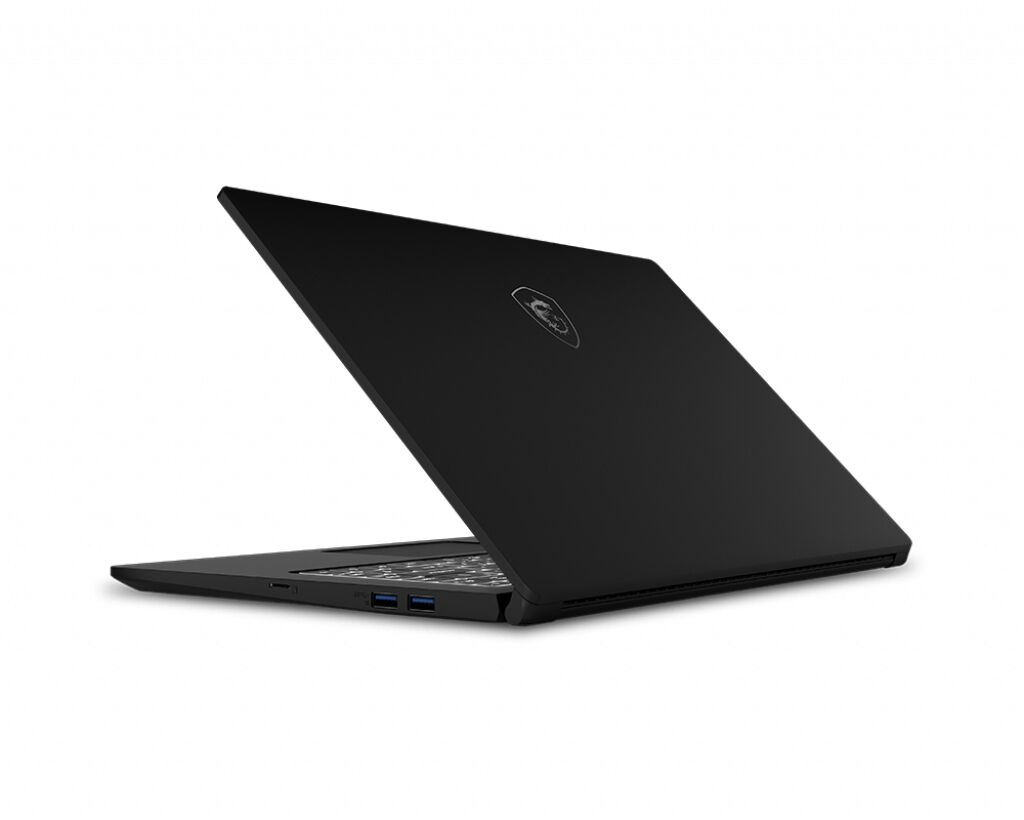
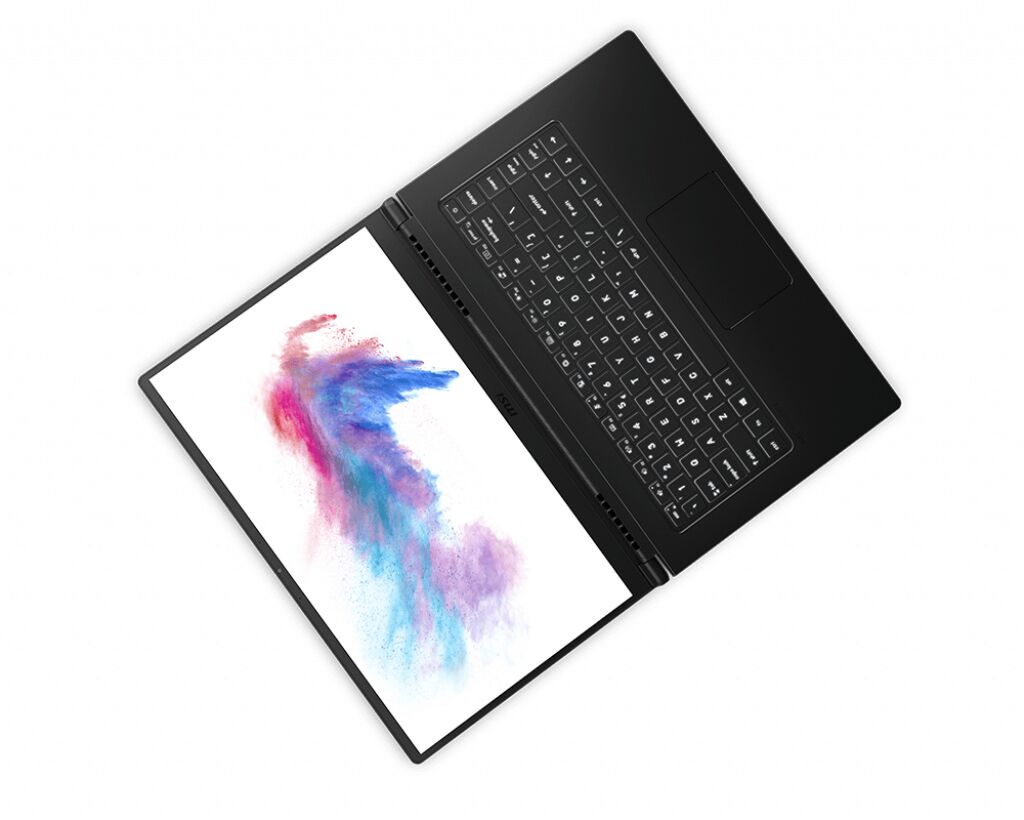
MSI 15 A10M-029 Modern series laptop memory upgrade specifications include two SO-DIMM slots supporting DDR4-SDRAM memory modules. Maximum compatible RAM capacity reaches 64 GB total. Memory operates at 2666 MHz frequency. Upgrade slots accommodate standard SO-DIMM form factor modules, enabling memory expansion beyond factory-installed configuration. Specifications define RAM compatibility and upgrade capacity for MSI Modern 15 A10M-029 model.
Memory Upgrade Specifications
| Specification | Value |
|---|---|
| Memory slots | 2x SO-DIMM |
| Form factor | SO-DIMM |
| Memory type | DDR4-SDRAM |
| Frequency | 2666 MHz |
| Maximum RAM | 64 GB |
| Voltage | 1.2V |
| Number of pins | 260-pin |
| Interface | PC4 |
| PC Speed Rating | PC4-2666 (PC4-21328) |
| Bandwidth | 21.3 GB/s |
| Laptop Release date | 15 May 2020 |
Additional Notes
- The MSI Modern 15 A10M-029 accepts dual-channel SO-DIMM modules, which deliver approximately 30% higher memory bandwidth compared to single-channel configurations when both slots are populated with matched capacity and speed modules.
- The 2666 MHz operating frequency indicates that higher-speed modules rated at 3200 MHz will downclock to 2666 MHz due to the installed memory controller limitations, resulting in no performance benefit from premium-priced faster RAM.
- Reaching the 64 GB maximum capacity requires 2x 32 GB modules, which typically carry substantial cost premiums over 2x 16 GB configurations while providing minimal benefit for standard productivity workloads.
- The SO-DIMM form factor excludes compatibility with standard desktop DIMM modules, requiring laptop-specific components that generally cost 15-25% more per gigabyte than equivalent desktop memory.
- Installation typically requires complete bottom panel removal rather than dedicated access doors, introducing potential warranty complications if frame clips or seals are damaged during the upgrade process.
- The dual-slot architecture permits asymmetric configurations such as 8 GB plus 16 GB, though this setup sacrifices dual-channel operation for the excess capacity beyond the smaller module, creating a performance disadvantage for memory-intensive applications.
- DDR4 voltage specifications standardized at 1.2V eliminate compatibility risks from voltage mismatches that plagued earlier DDR3 systems mixing standard and low-voltage modules.
- The chipset's maximum supported capacity allows future-proofing through staged upgrades, though waiting for RAM prices to decline may offset the opportunity cost of operating with insufficient memory during the interim period.