MSI Modern 15 A10M-098 RAM upgrade specifications


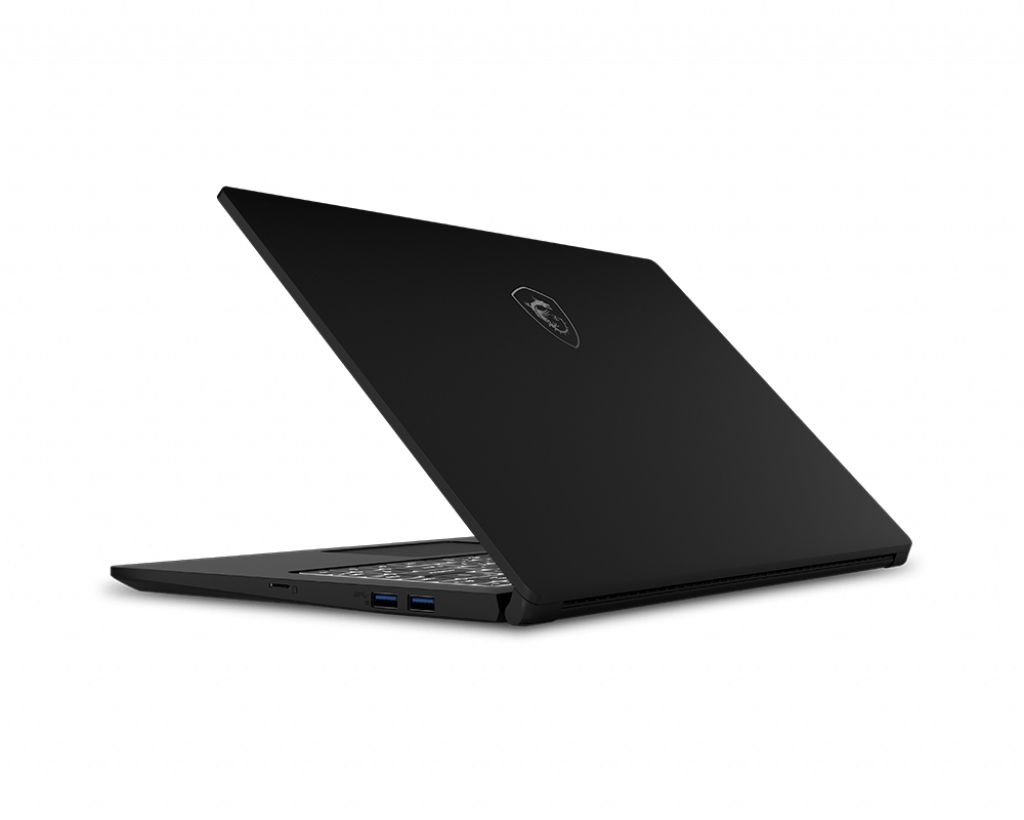
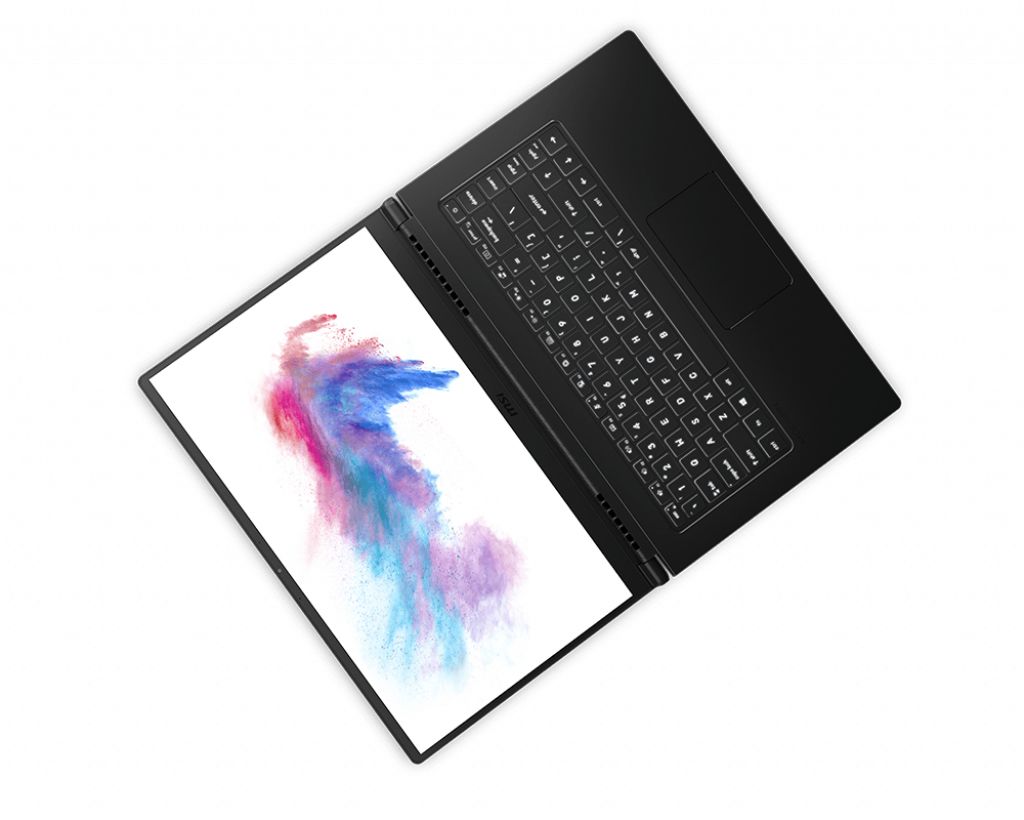
The MSI Modern 15 A10M-098 laptop features DDR4-SDRAM memory upgrade specifications with two SO-DIMM slots supporting a maximum RAM capacity of 64 GB. Compatible memory operates at 2666 MHz frequency. The upgrade slots accommodate standard SO-DIMM form factor modules, enabling users to expand the system memory from baseline configurations up to the specified 64 GB maximum capacity for enhanced multitasking performance and system responsiveness.
Memory Upgrade Specifications
| Specification | Value |
|---|---|
| Memory slots | 2x SO-DIMM |
| Form factor | SO-DIMM |
| Memory type | DDR4-SDRAM |
| Frequency | 2666 MHz |
| Maximum RAM | 64 GB |
| Voltage | 1.2V |
| Number of pins | 260-pin |
| Interface | PC4 |
| PC Speed Rating | PC4-2666 (PC4-21328) |
| Bandwidth | 21.3 GB/s |
| Laptop Release date | 24 April 2020 |
Additional Notes
- The MSI Modern 15 A10M-098 accepts standard 260-pin SO-DIMM modules, excluding desktop-sized DIMMs and older 204-pin form factors.
- The 2666 MHz frequency ceiling means faster modules rated at 3200 MHz or higher will downclock to match the system bus limit, eliminating any performance advantage.
- Both memory slots support dual-channel operation when populated with matching capacity modules, doubling effective bandwidth compared to single-channel configurations.
- The 64 GB maximum capacity accommodates 2x32 GB modules, but requires sourcing dual-rank high-density components not commonly stocked at retail outlets.
- Voltage compatibility is limited to standard 1.2V DDR4 modules, as low-voltage variants designed for different platforms may cause stability issues.
- Intel 10th generation platform architecture enforces strict JEDEC timing standards, rejecting aggressive XMP profiles without manual BIOS adjustment capabilities.
- Access to memory slots typically requires bottom panel removal, with potential warranty seal placement varying by regional distribution agreements.
- Mixed module configurations combining different manufacturers or density grades may trigger conservative failsafe timings, reducing performance below single-brand kit specifications.
- The system BIOS does not support independent slot speed configuration, forcing both modules to operate at the lowest common frequency when mixing different rated speeds.
- Thermal management relies on passive airflow through the bottom chassis vents, making low-profile module heat spreaders preferable to avoid interference with housing tolerances.