MSI Modern 15 A10M-259IT RAM upgrade specifications
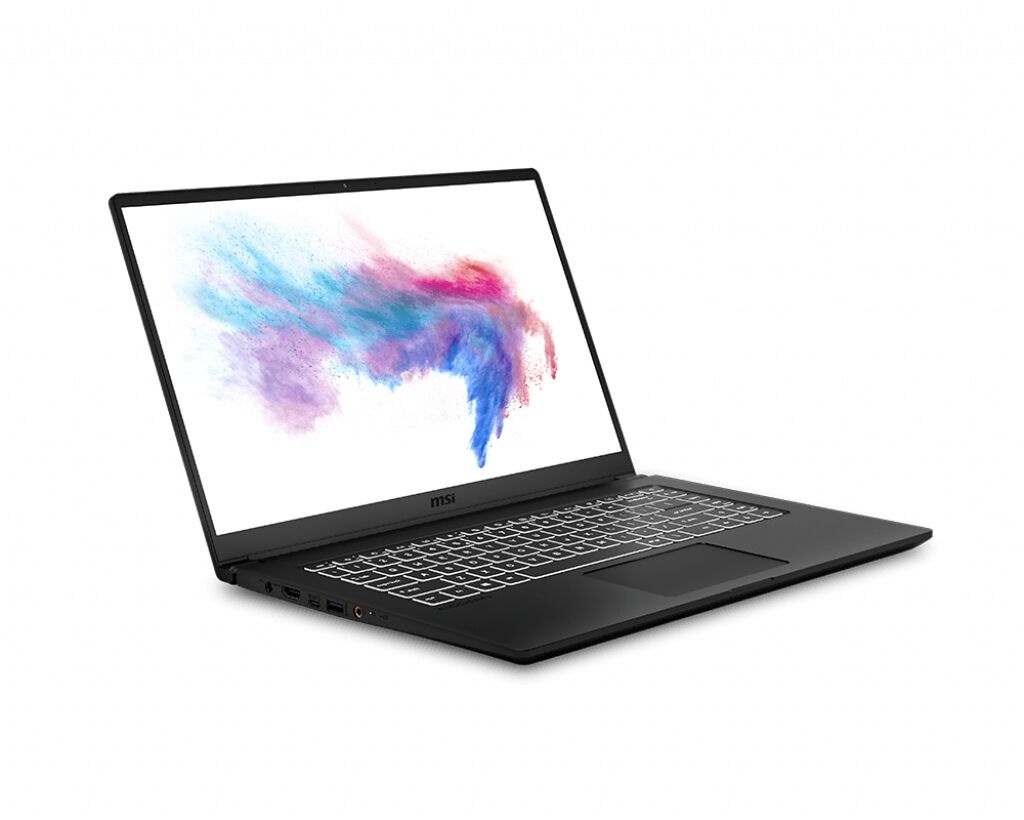
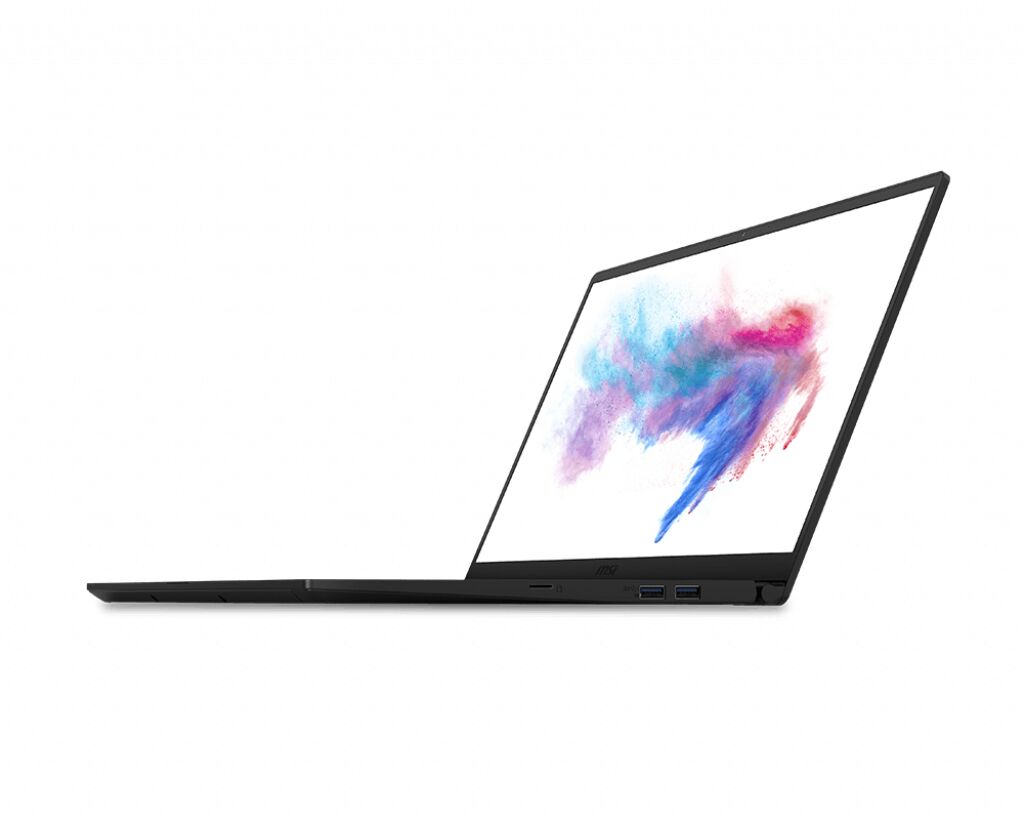
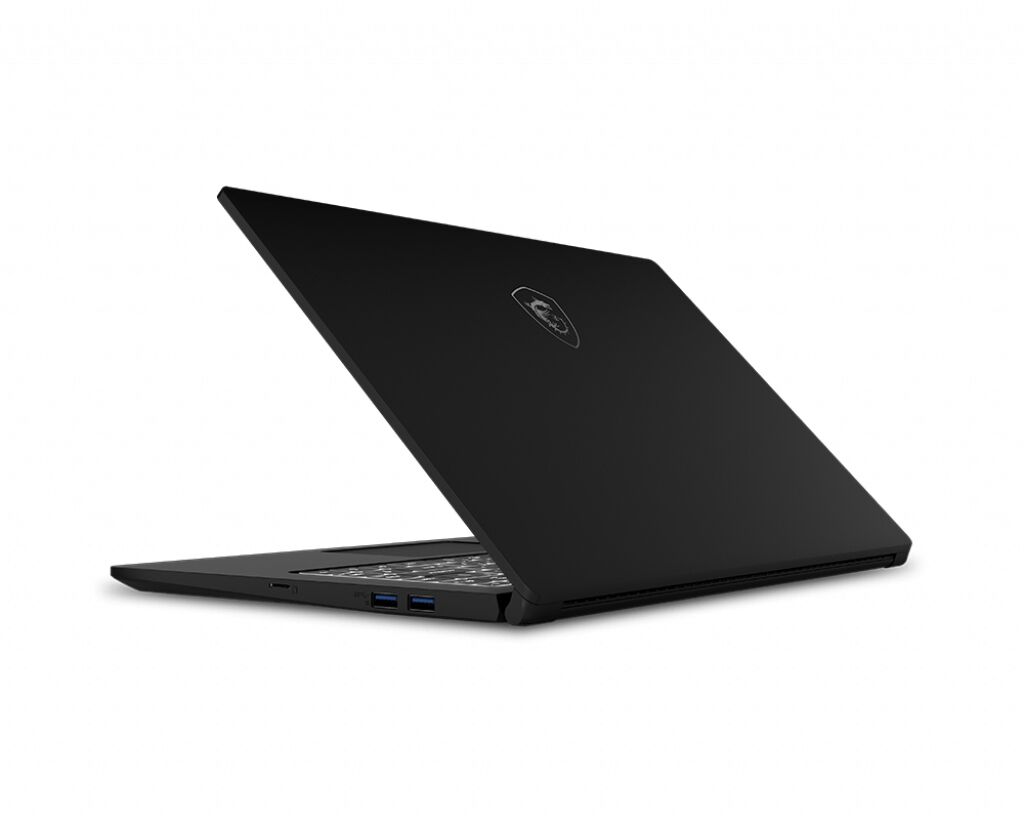
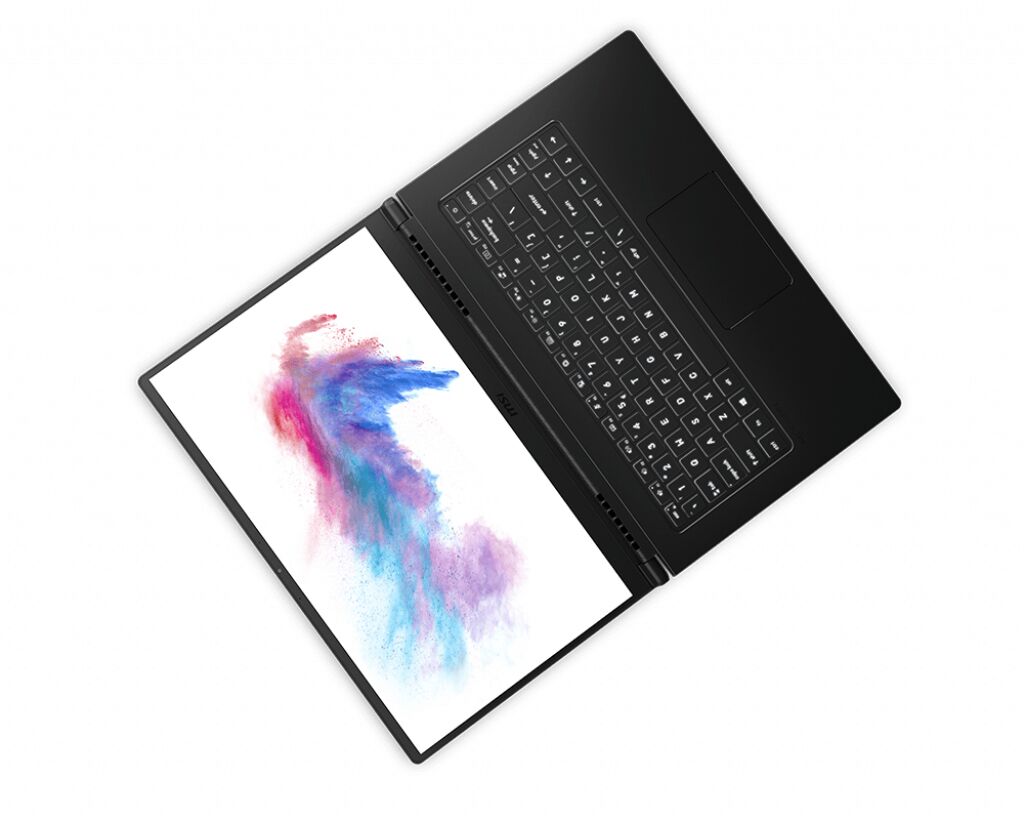
MSI Modern 15 A10M-259IT laptop supports DDR4-SDRAM memory upgrades with 2x SO-DIMM slots. Maximum RAM capacity reaches 64 GB total. Compatible memory modules operate at 2666 MHz frequency using SO-DIMM form factor. Upgrade specifications enable expansion from factory configuration to maximum supported capacity. Memory compatibility requires DDR4-SDRAM modules matching frequency and SO-DIMM form factor specifications.
Memory Upgrade Specifications
| Specification | Value |
|---|---|
| Memory slots | 2x SO-DIMM |
| Form factor | SO-DIMM |
| Memory type | DDR4-SDRAM |
| Frequency | 2666 MHz |
| Maximum RAM | 64 GB |
| Voltage | 1.2V |
| Number of pins | 260-pin |
| Interface | PC4 |
| PC Speed Rating | PC4-2666 (PC4-21328) |
| Bandwidth | 21.3 GB/s |
| Laptop Release date | 07 July 2020 |
Additional Notes
- DDR4-3200 modules will function at reduced 2666 MHz frequency due to JEDEC standard constraints on this generation, resulting in marginal throughput loss compared to newer platforms but within acceptable parameters for integrated graphics workloads.
- The 64 GB ceiling with 2 SO-DIMM slots mandates single-channel architecture when populated asymmetrically, eliminating dual-channel bandwidth benefits until both slots contain matched capacity modules.
- SO-DIMM form factor restrictions prevent installation of standard UDIMM memory; any upgrade requires laptop-specific modules with tighter physical tolerances and higher per-GB cost premiums versus desktop equivalents.
- Presence of 2 slots creates a practical upgrade path constraint: transitioning from 8 GB to 32 GB requires full slot replacement rather than additive expansion, as single-slot configurations forfeit bandwidth symmetry benefits inherent to the MSI Modern 15 A10M-259IT architecture.
- Memory frequency ceiling at 2666 MHz predates JEDEC DDR4-3200 standardization, indicating 10th-generation processor integration limiting controller specifications; upgrading beyond native frequency specification voids warranty protections without performance gains on this chipset generation.
- Mixing memory densities (e.g., 16 GB plus 32 GB modules) operates at the speed of the slowest module, degrading overall system latency if higher-frequency modules are paired with legacy 2666 MHz stock memory.