MSI Modern 15 A10M-262 RAM upgrade specifications
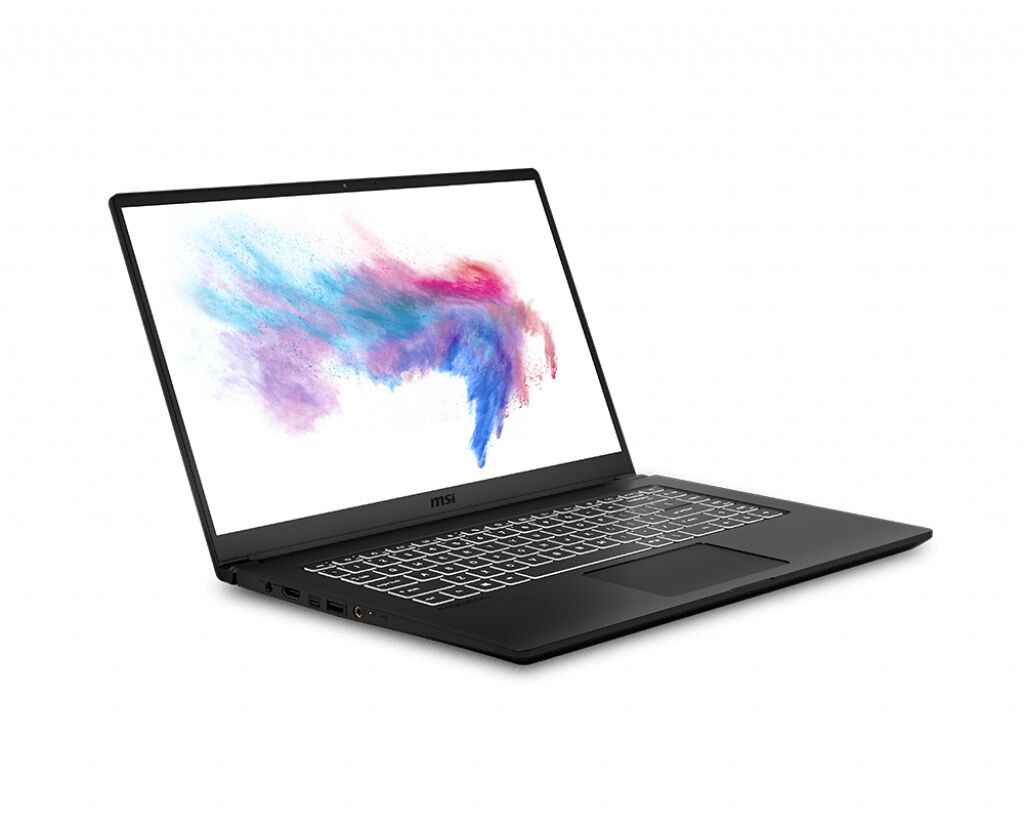

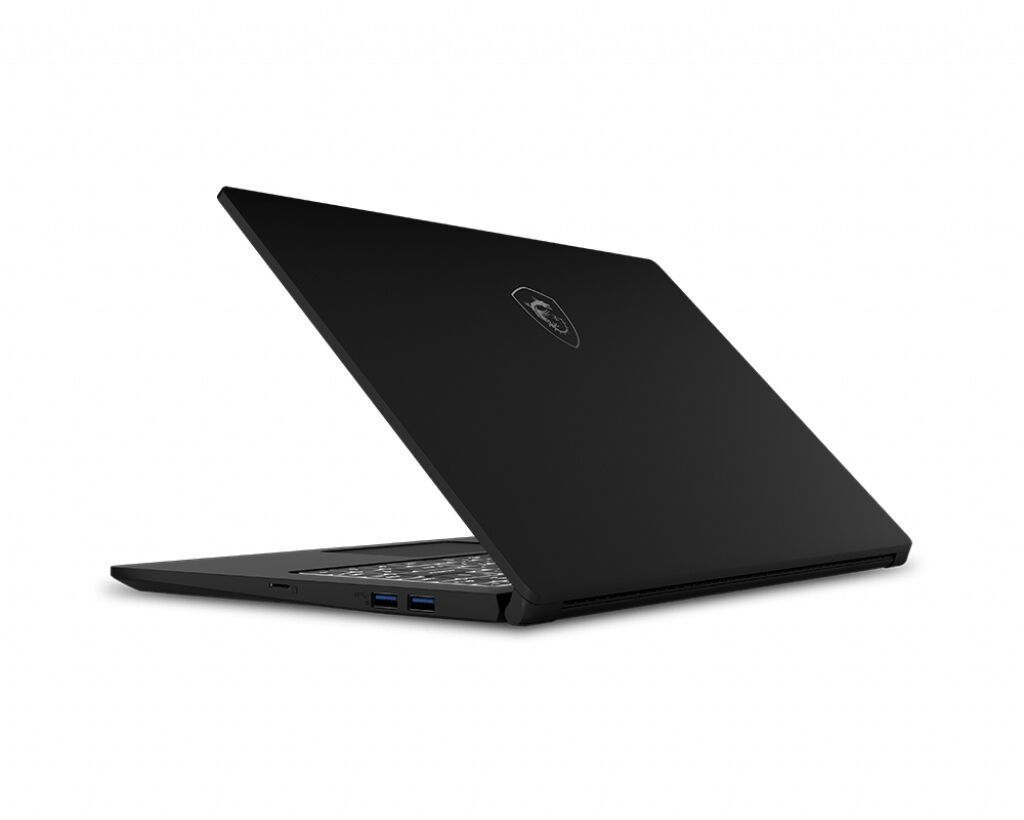
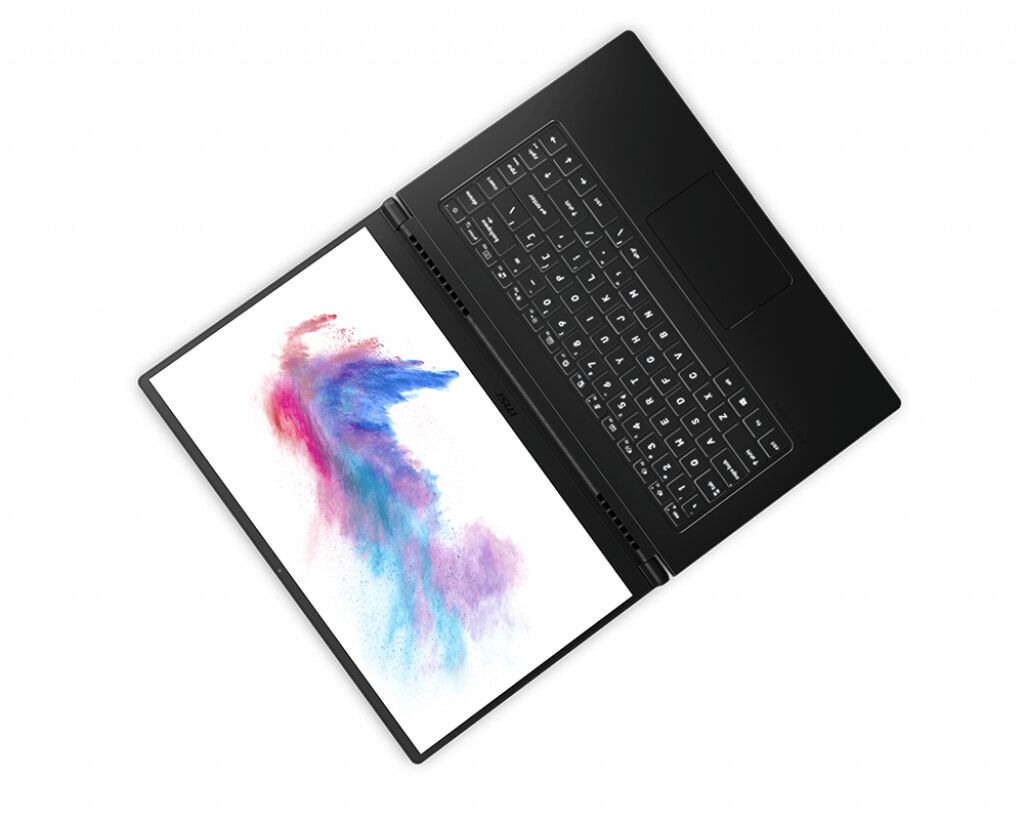
MSI Modern 15 A10M-262 laptop features DDR4-SDRAM memory upgrade specifications with 2x SO-DIMM slots supporting maximum capacity of 64 GB RAM. Compatible memory modules operate at 2666 MHz frequency using SO-DIMM form factor. Upgrade specifications enable doubling of standard memory configuration for enhanced multitasking and application performance on this MSI Modern series notebook.
Memory Upgrade Specifications
| Specification | Value |
|---|---|
| Memory slots | 2x SO-DIMM |
| Form factor | SO-DIMM |
| Memory type | DDR4-SDRAM |
| Frequency | 2666 MHz |
| Maximum RAM | 64 GB |
| Voltage | 1.2V |
| Number of pins | 260-pin |
| Interface | PC4 |
| PC Speed Rating | PC4-2666 (PC4-21328) |
| Bandwidth | 21.3 GB/s |
| Laptop Release date | 17 June 2020 |
Additional Notes
- The MSI Modern 15 A10M-262 supports dual-channel memory architecture through its 2 SO-DIMM slots, enabling up to 128-bit memory bandwidth when both slots are populated with matched modules.
- Installing a single module will operate in single-channel mode, reducing memory bandwidth by approximately 50% and potentially creating performance bottlenecks in graphics-intensive applications that rely on integrated GPU memory sharing.
- The 64 GB maximum capacity limitation is enforced by the chipset and CPU memory controller, meaning installation of higher-capacity modules will either fail to boot or be detected at reduced capacity.
- DDR4-2666 represents the JEDEC standard speed ceiling for this platform, though modules rated at higher frequencies like 3200 MHz will function by automatically downclocking to 2666 MHz through SPD profile selection.
- SO-DIMM modules require 260-pin configuration, making standard desktop DIMM (288-pin) memory physically incompatible regardless of matching specifications.
- Both memory slots are typically user-accessible through a bottom panel service door, though accessing them may void warranty seals depending on regional service policies and warranty terms.
- Mixing modules with different speeds will force all installed memory to operate at the lowest common frequency, creating an artificial performance limitation for the faster module.
- Memory timings and latency specifications (CAS latency) become relevant when mixing modules, as mismatched timings can cause POST failures or force conservative timing profiles that reduce effective performance.
- The memory controller voltage is typically fixed at 1.2V for DDR4 standard operation, meaning low-voltage or overclocking-oriented modules requiring voltage adjustments may not reach their rated specifications.
- Populating both slots with 32 GB modules achieves the 64 GB maximum while maintaining dual-channel operation, whereas asymmetric configurations like 16 GB plus 32 GB will operate in flex mode with performance characteristics between single and dual-channel.