MSI Modern 15 A10M-455 RAM upgrade specifications
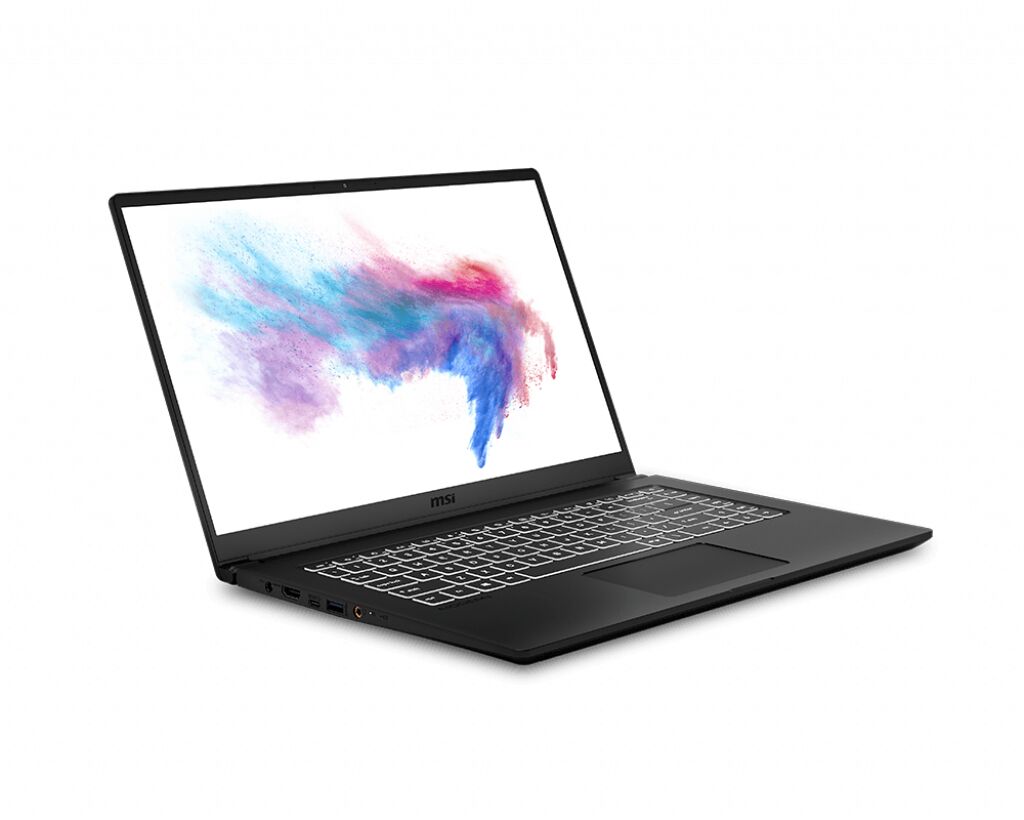
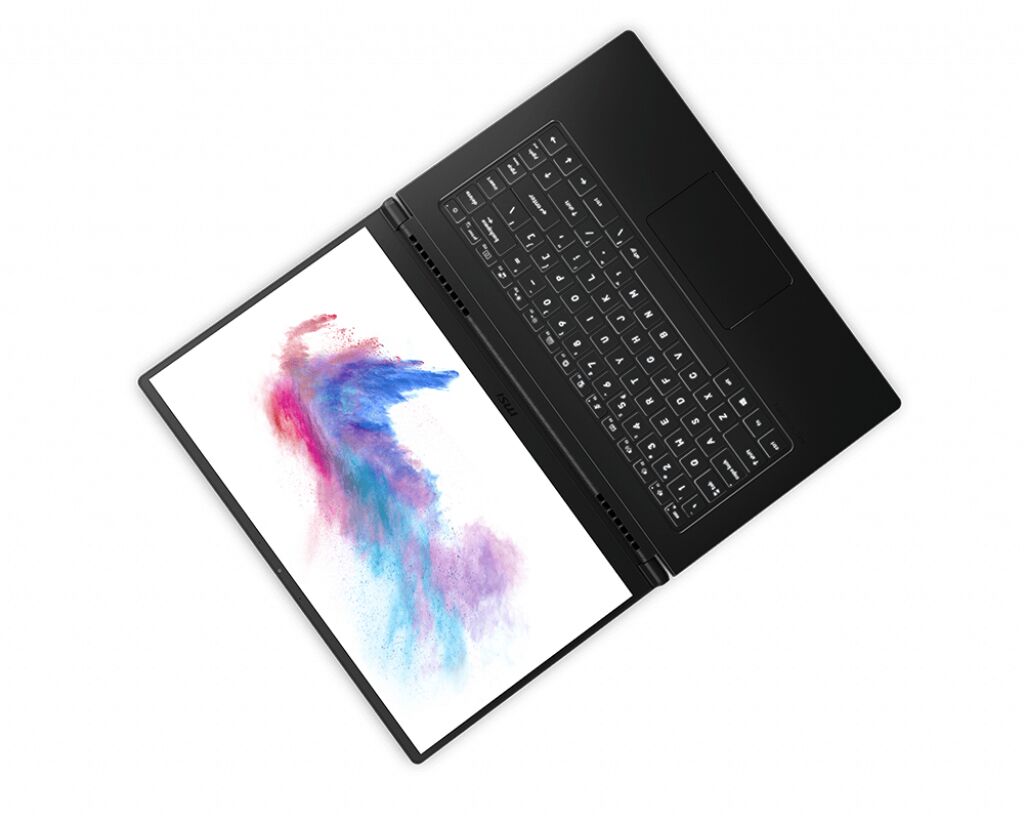
MSI Modern 15 A10M-455 laptop supports DDR4-SDRAM memory upgrades with 2x SO-DIMM slots compatible with 64 GB maximum capacity. The upgrade specifications indicate SO-DIMM form factor modules operating at 2666 MHz frequency. Compatible memory modules can be installed to enhance system performance up to the maximum supported RAM capacity on the MSI 15 A10M-455 model.
Memory Upgrade Specifications
| Specification | Value |
|---|---|
| Memory slots | 2x SO-DIMM |
| Form factor | SO-DIMM |
| Memory type | DDR4-SDRAM |
| Frequency | 2666 MHz |
| Maximum RAM | 64 GB |
| Voltage | 1.2V |
| Number of pins | 260-pin |
| Interface | PC4 |
| PC Speed Rating | PC4-2666 (PC4-21328) |
| Bandwidth | 21.3 GB/s |
| Laptop Release date | 17 December 2020 |
Additional Notes
- The MSI Modern 15 A10M-455 contains 2 SO-DIMM slots, which means maximum capacity expansion requires both slots to be populated; a single module cannot achieve the 64 GB ceiling.
- DDR4-2666 MHz memory operates at a conservative frequency relative to contemporary DDR4 standards (3200 MHz and higher were mainstream during this model's generation), indicating the system's memory controller does not support faster speeds and upgrading to higher-frequency modules would default to 2666 MHz operation.
- SO-DIMM form factor is exclusively used in portable systems; any replacement or upgrade module must match this compact standard, as full-size UDIMM modules are physically incompatible with the slot configuration.
- The 64 GB maximum capacity threshold suggests the embedded memory controller supports dual-rank module architecture; single-rank SO-DIMMs cannot utilize the full addressable range on this platform.
- Adding memory beyond the factory-installed capacity may void thermal performance assumptions if the system lacks active memory cooling; additional modules generate incremental heat that passive convection alone may not adequately dissipate in confined laptop enclosures.
- DDR4-2666 compatibility requires modules specifically binned or validated for this frequency; DDR4-3200 modules will not operate at rated speed, introducing potential stability risks if firmware cannot enforce reliable downclocking to 2666 MHz.