MSI Modern 15 A10RAS-081FR RAM upgrade specifications
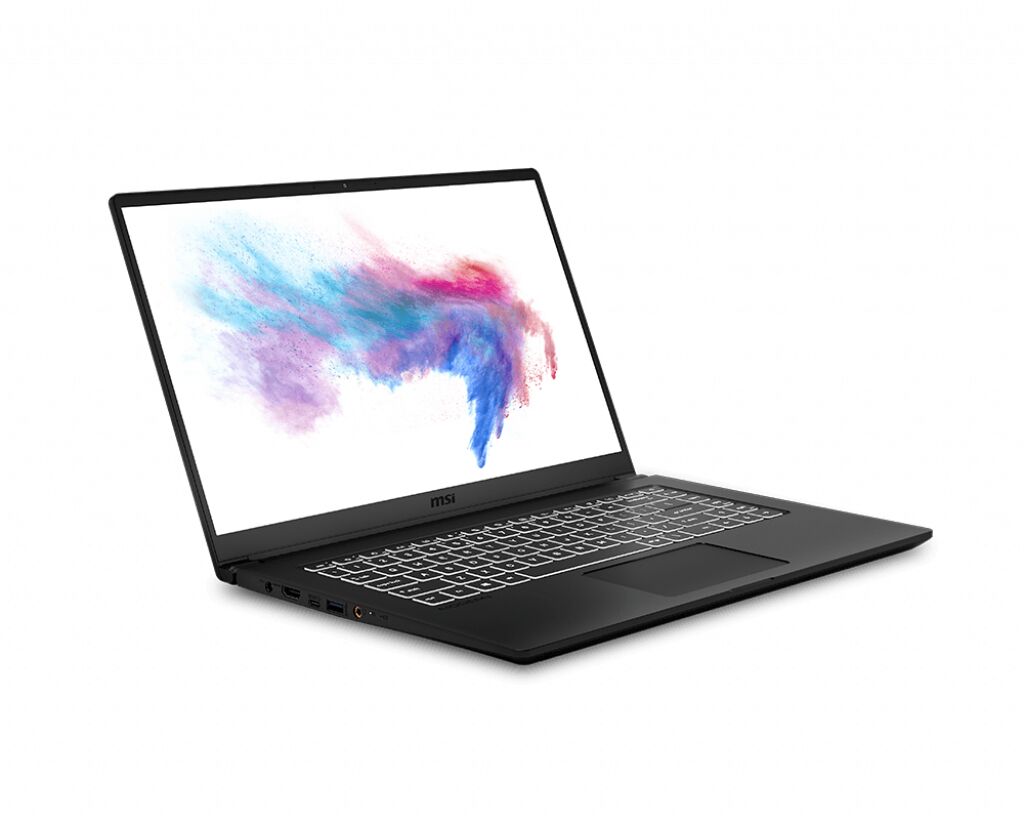
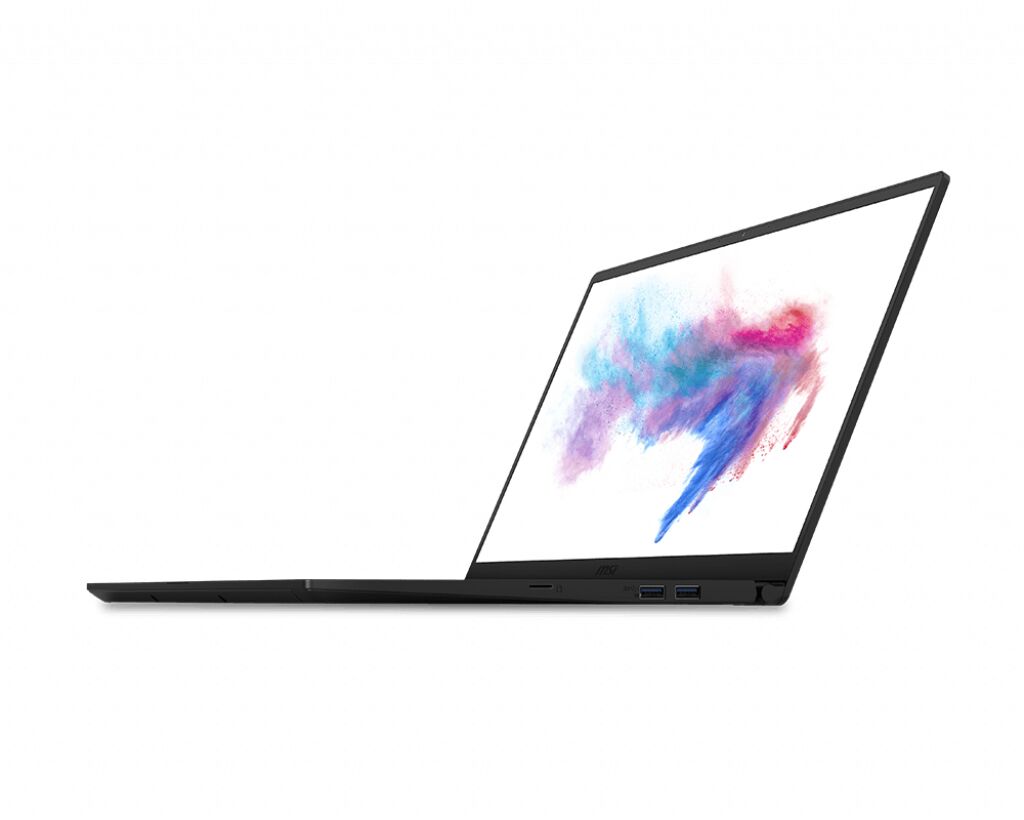
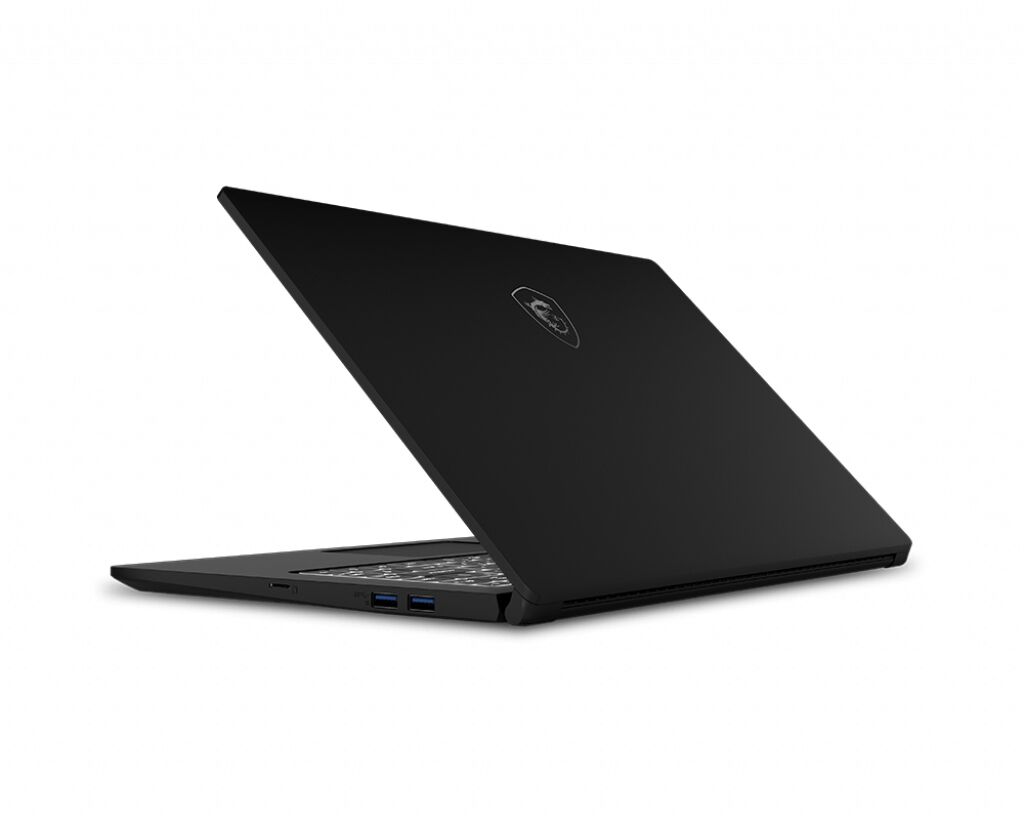
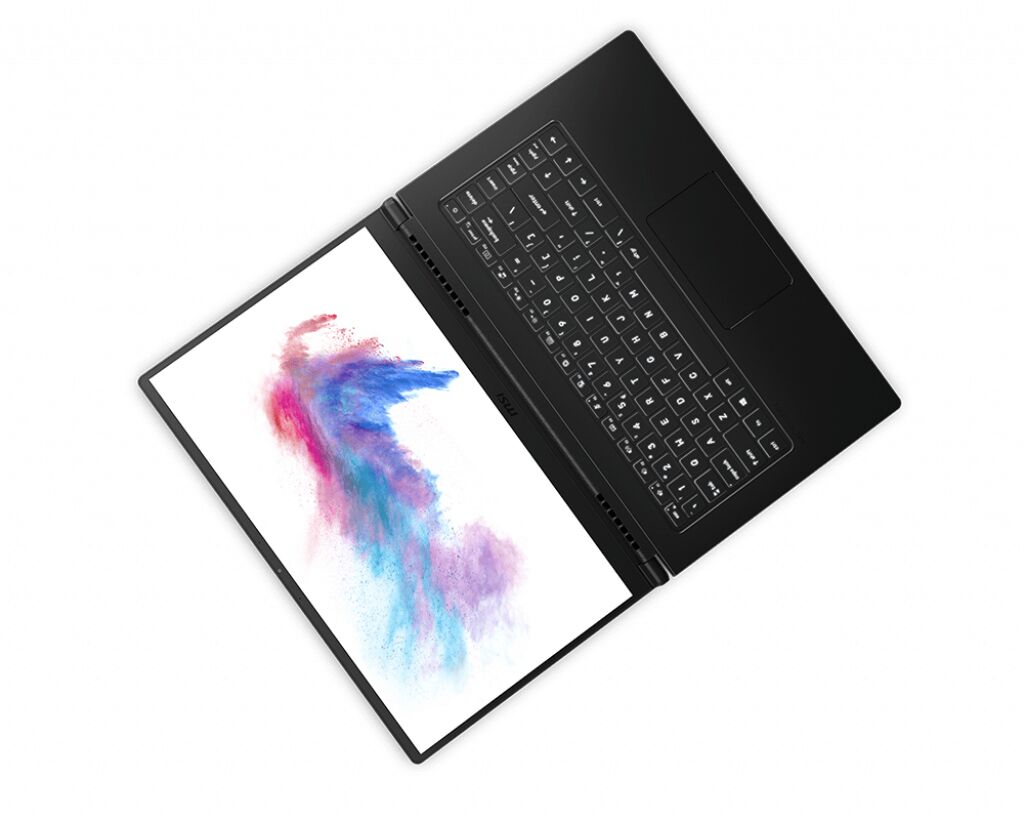
MSI Modern 15 A10RAS-081FR laptop memory upgrade specifications include two SO-DIMM slots supporting DDR4-SDRAM at 2666 MHz frequency. Maximum RAM capacity reaches 64 GB total. Compatible memory modules must feature SO-DIMM form factor and DDR4 specifications. Upgrade slots accommodate standard notebook memory configurations for enhanced multitasking performance and application responsiveness.
Memory Upgrade Specifications
| Specification | Value |
|---|---|
| Memory slots | 2x SO-DIMM |
| Form factor | SO-DIMM |
| Memory type | DDR4-SDRAM |
| Frequency | 2666 MHz |
| Maximum RAM | 64 GB |
| Voltage | 1.2V |
| Number of pins | 260-pin |
| Interface | PC4 |
| PC Speed Rating | PC4-2666 (PC4-21328) |
| Bandwidth | 21.3 GB/s |
| Laptop Release date | 10 June 2020 |
Additional Notes
- The MSI Modern 15 A10RAS-081FR contains 2 SO-DIMM slots, which means both slots must be populated to achieve the 64 GB maximum capacity. Leaving one slot empty reduces dual-channel bandwidth efficiency by 50 percent, directly impacting memory throughput for multithreaded workloads.
- DDR4-2666 MHz represents the native supported frequency for this platform. Attempting to install faster DDR4 modules (3000 MHz, 3200 MHz) will downclock to 2666 MHz due to JEDEC specifications. No performance gain occurs from higher-frequency modules; purchasing premium-speed memory provides no functional benefit.
- SO-DIMM form factor restricts upgrade options to laptop-specific modules only. Desktop DDR4 UDIMM memory is physically incompatible and cannot be adapted. Sourcing replacement or additional modules requires confirmation of laptop-grade specifications to avoid purchasing errors.
- The 64 GB ceiling establishes a hard memory limitation inherent to the processor and chipset design. No firmware update or BIOS modification enables higher capacity recognition. Planning for maximum future workload demands requires calculating requirements against this fixed constraint.
- DDR4-2666 operates at lower bandwidth than modern DDR5 or current-generation DDR4-3200+ standards. Systems performing data-intensive tasks (video editing, 3D rendering, large dataset processing) will experience comparative memory latency disadvantages versus newer architectures, though typical productivity applications remain unaffected.
- Upgrading from single-channel to dual-channel configuration by populating the second slot typically yields 15-25 percent performance improvement in memory-sensitive operations. This represents the most cost-effective performance modification available within hardware constraints.