MSI Modern 15 A10RAS-094FR RAM upgrade specifications


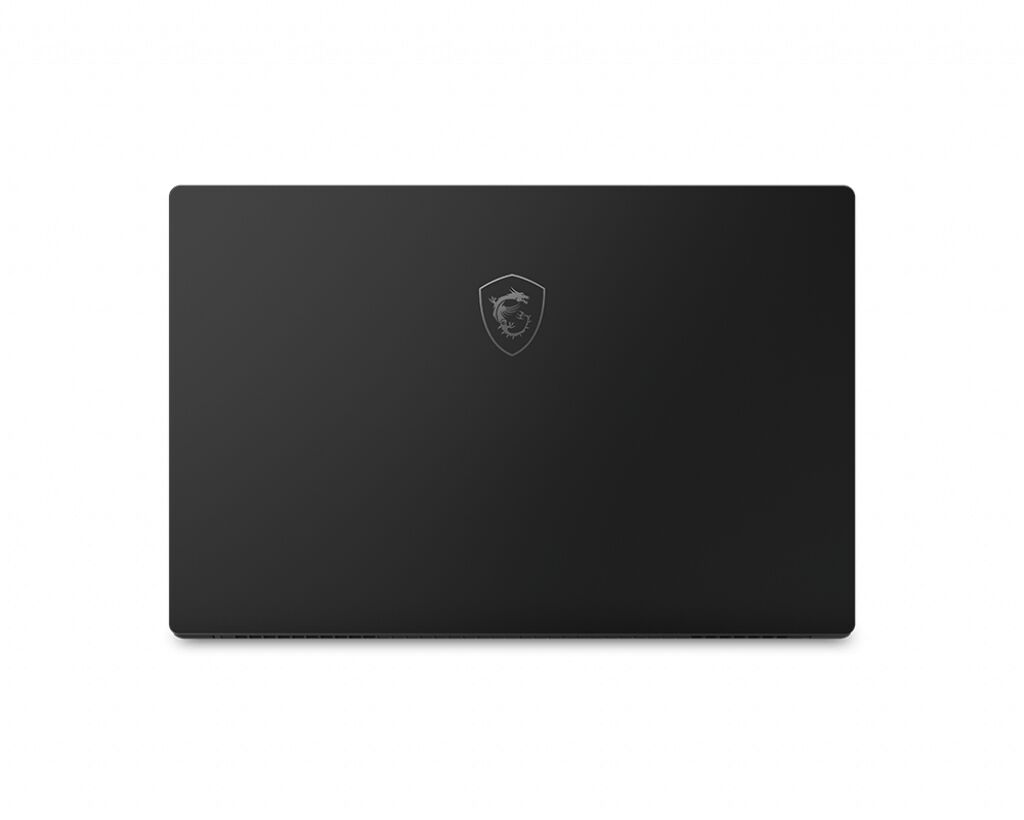

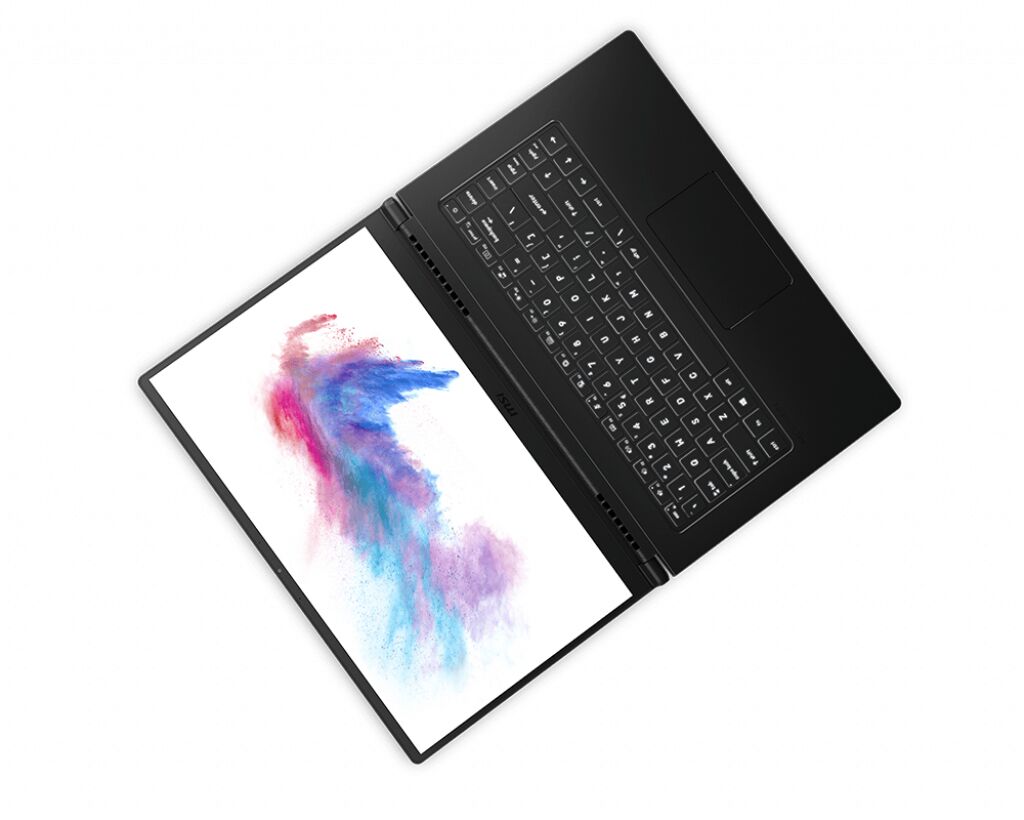
MSI 15 A10RAS-094FR laptop features two SO-DIMM memory slots supporting DDR4-SDRAM upgrade capability. Maximum RAM capacity reaches 64 GB total, with compatible modules operating at 2666 MHz frequency. Specifications indicate SO-DIMM form factor memory modules are required for upgrade compatibility. The Modern family 15 series model supports dual-channel memory configuration for enhanced performance capacity expansion.
Memory Upgrade Specifications
| Specification | Value |
|---|---|
| Memory slots | 2x SO-DIMM |
| Form factor | SO-DIMM |
| Memory type | DDR4-SDRAM |
| Frequency | 2666 MHz |
| Maximum RAM | 64 GB |
| Voltage | 1.2V |
| Number of pins | 260-pin |
| Interface | PC4 |
| PC Speed Rating | PC4-2666 (PC4-21328) |
| Bandwidth | 21.3 GB/s |
| Laptop Release date | 01 May 2020 |
Additional Notes
- The MSI Modern 15 A10RAS-094FR uses SO-DIMM memory exclusively, restricting upgrades to laptop-class modules rather than standard desktop DDR4 sticks, which eliminates any possibility of repurposing conventional DIMM inventory.
- A 2-slot configuration with 64 GB maximum capacity indicates the system supports dual-rank or quad-rank SO-DIMM modules; single-rank modules would artificially limit the ceiling to 32 GB, so module selection significantly affects final capacity realization.
- The 2666 MHz specification represents a baseline frequency floor; many modern DDR4 SO-DIMMs operate at 3200 MHz or higher, but compatibility remains guaranteed only at the native 2666 MHz speed, with faster modules downclocking automatically to match platform specifications.
- Memory bandwidth saturation becomes relevant under sustained multi-threaded workloads; 2666 MHz DDR4 with 2 channels provides approximately 42.6 GB/s theoretical throughput, a potential constraint if the CPU or GPU requires higher data delivery rates during video rendering or data-intensive applications.
- Both SO-DIMM slots are user-accessible without requiring processor removal or major disassembly; upgrades typically involve simple retention clip removal, making warranty-safe capacity expansion feasible provided non-OEM modules carry equivalent specifications and thermal envelopes.
- Mixing memory modules of different speeds or capacities within the 2-slot architecture will force the entire array to operate at the slowest module's rated frequency; asymmetrical configurations create no functional errors but eliminate performance headroom from faster individual modules.