MSI Modern 15 A10RAS-253ES RAM upgrade specifications
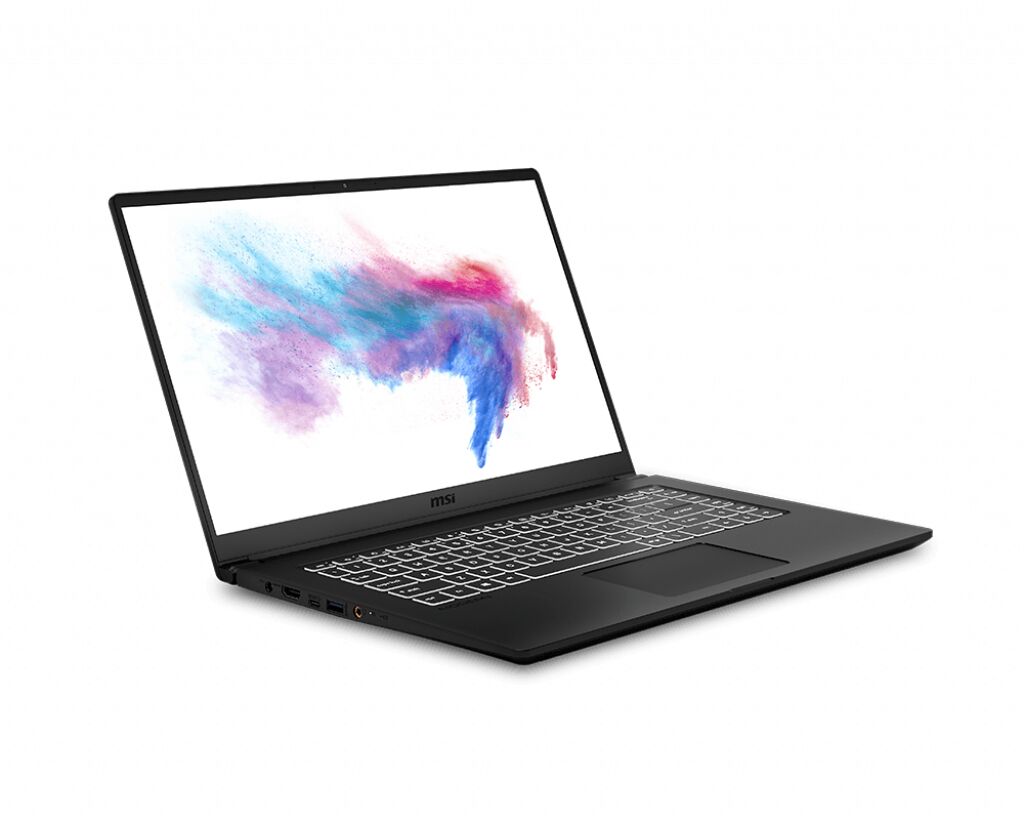
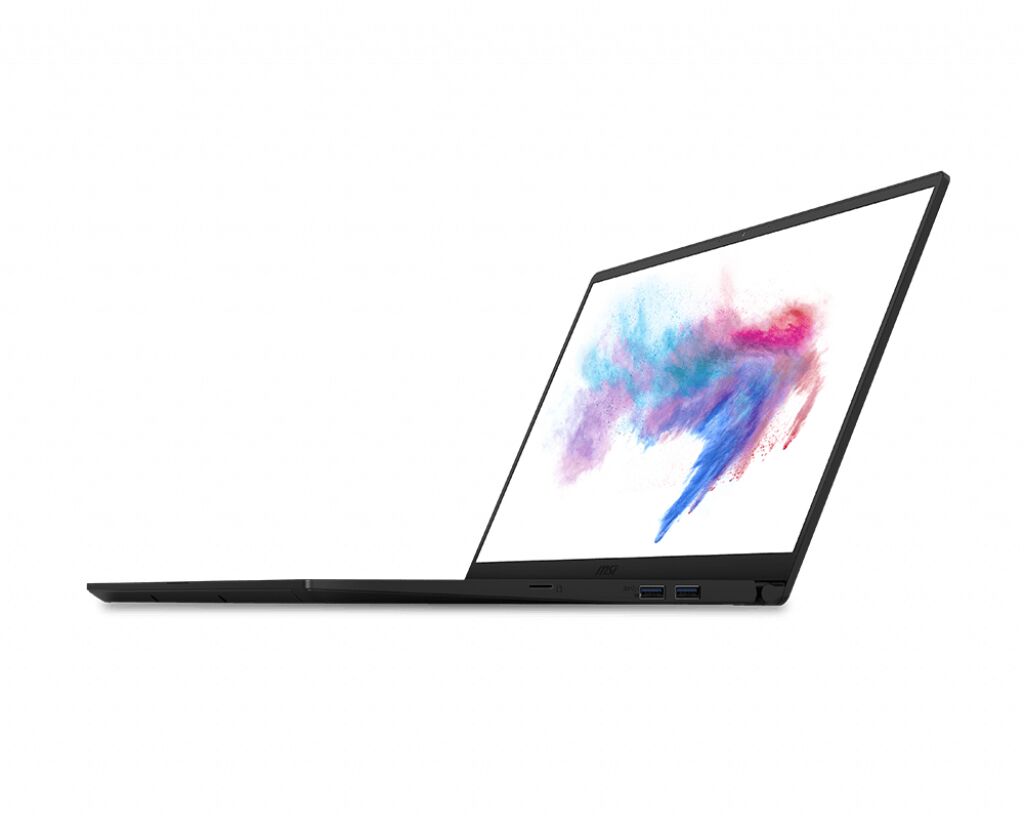
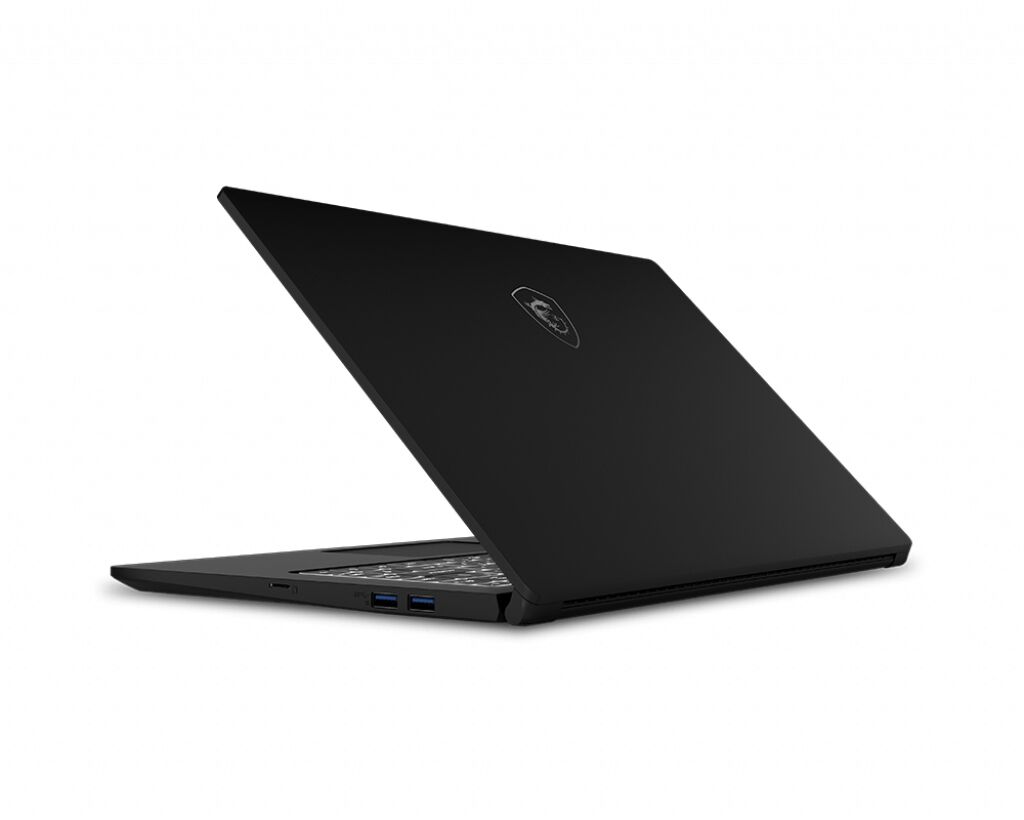
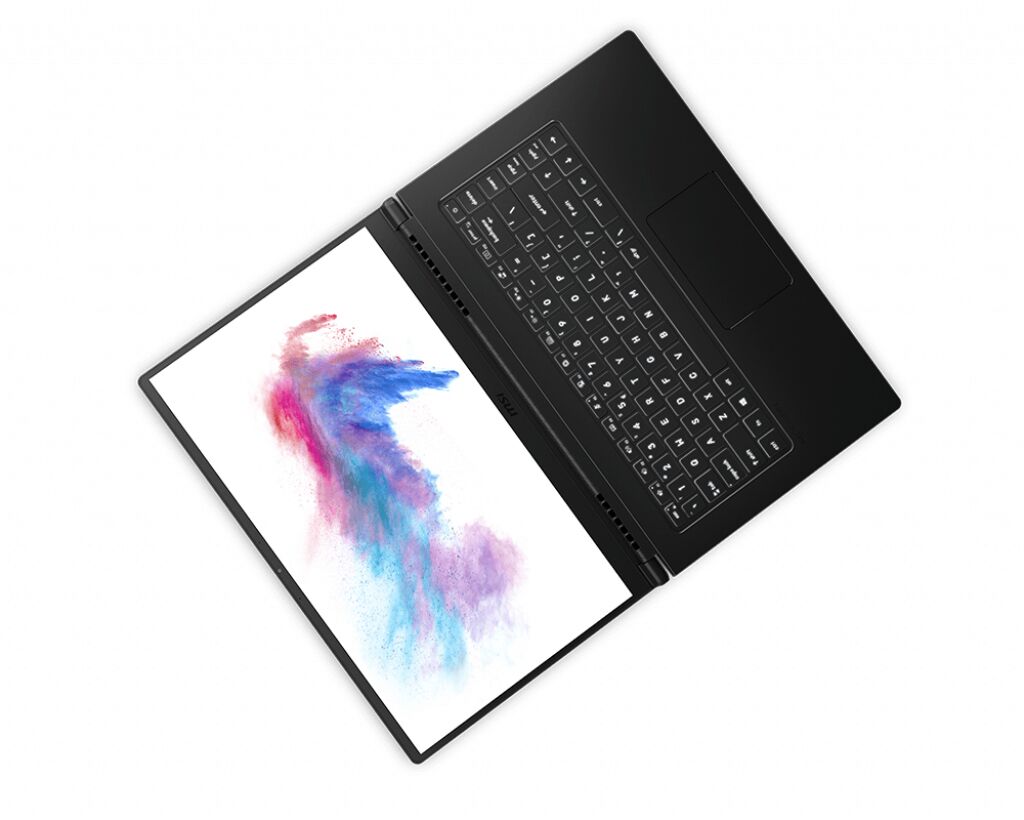
The MSI Modern 15 A10RAS-253ES laptop features two SO-DIMM slots for DDR4-SDRAM memory upgrade capability. Maximum supported RAM capacity reaches 64 GB total, with compatible modules operating at 2666 MHz frequency. Current memory specifications accommodate standard SO-DIMM form factor modules. Upgrade slots allow for memory expansion to enhance system performance and multitasking capabilities on the MSI 15 A10RAS-253ES model.
Memory Upgrade Specifications
| Specification | Value |
|---|---|
| Memory slots | 2x SO-DIMM |
| Form factor | SO-DIMM |
| Memory type | DDR4-SDRAM |
| Frequency | 2666 MHz |
| Maximum RAM | 64 GB |
| Voltage | 1.2V |
| Number of pins | 260-pin |
| Interface | PC4 |
| PC Speed Rating | PC4-2666 (PC4-21328) |
| Bandwidth | 21.3 GB/s |
| Laptop Release date | 19 June 2020 |
Additional Notes
- The MSI Modern 15 A10RAS-253ES contains 2 SO-DIMM slots, meaning one slot remains available after factory configuration, allowing single-module expansion without removing existing memory.
- DDR4-2666 MHz specification indicates the memory controller operates at a reduced frequency tier, constraining upgrade modules to 2666 MHz or lower to avoid instability, despite newer DDR4 modules supporting 3200 MHz or higher speeds.
- The 64 GB maximum capacity ceiling (32 GB per SO-DIMM module) prevents future upgrades beyond this threshold, as 64 GB SO-DIMM modules do not exist in DDR4 architecture.
- SO-DIMM form factor requires laptop-specific memory modules rather than desktop DDR4 variants, adding cost and reducing retail availability compared to standard DIMM options.
- Warranty modifications depend on manufacturer policy regarding non-original memory installation; RAM upgrades may void coverage unless performed by authorized service centers, despite DDR4 SO-DIMM replacement being considered user-serviceable on most consumer laptop platforms.
- Dual-slot configuration creates no redundancy benefit; failure of either module results in complete system memory loss since neither slot operates independently for system stability.
- The 2666 MHz frequency implies 10th-generation Intel processor integration (Comet Lake era), which influences DDR4 controller behavior and may limit real-world performance gains beyond the stock configuration due to architectural constraints in that processor generation.