MSI Modern A11MU-681 RAM upgrade specifications
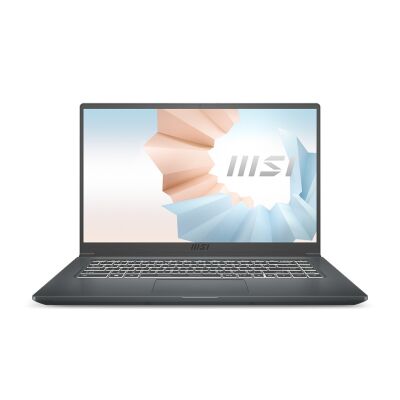
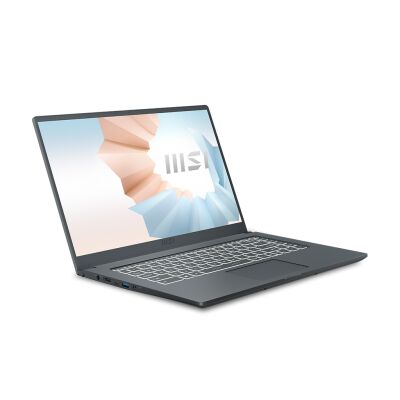
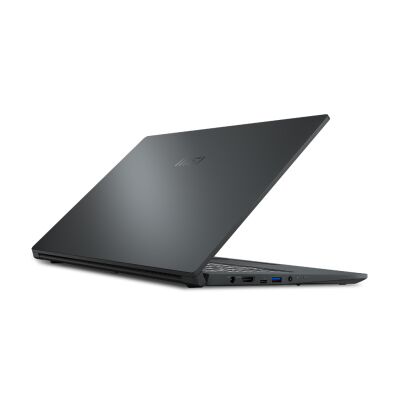

The MSI Modern 15 A11MU-681 laptop features DDR4-SDRAM memory specifications with two SO-DIMM slots available for RAM upgrades. The system supports a maximum memory capacity of 64 GB total, operating at 2666 MHz frequency. Compatible upgrades utilize SO-DIMM form factor modules. Specifications enable users to expand the base memory configuration up to the maximum supported capacity through slot-based installation of compatible DDR4 memory modules.
Memory Upgrade Specifications
| Specification | Value |
|---|---|
| Memory slots | 2x SO-DIMM |
| Form factor | SO-DIMM |
| Memory type | DDR4-SDRAM |
| Frequency | 2666 MHz |
| Maximum RAM | 64 GB |
| Voltage | 1.2V |
| Number of pins | 260-pin |
| Interface | PC4 |
| PC Speed Rating | PC4-2666 (PC4-21328) |
| Bandwidth | 21.3 GB/s |
| Laptop Release date | 21 July 2021 |
Additional Notes
- The 2666 MHz frequency limitation restricts compatibility to DDR4-2666 or lower speed modules, as higher frequency RAM will downclock to match this ceiling, potentially wasting financial investment in premium memory kits.
- SO-DIMM form factor excludes standard desktop DIMM modules, requiring laptop-specific memory despite identical DDR4 technology and potentially higher cost per gigabyte compared to desktop equivalents.
- Dual-channel architecture through 2 slots delivers optimal bandwidth when populated with matched capacity modules, while mismatched configurations force single-channel operation on the excess capacity, creating performance asymmetry.
- The MSI Modern A11MU-681 achieves its 64 GB ceiling through 32 GB per slot density, mandating dual-rank module architecture that may introduce minor latency penalties compared to single-rank configurations at lower capacities.
- JEDEC standard DDR4-2666 operates at 1.2V, ensuring thermal compatibility within laptop power envelopes, though non-standard XMP profiles requiring voltage increases above specification may trigger thermal throttling or system instability.
- Memory controller integrated within the 11th generation Intel processor determines actual operational frequency, meaning advertised 2666 MHz represents the supported standard rather than guaranteed performance under all thermal conditions.
- Physical slot accessibility depends on bottom panel serviceability design, with soldered base configurations eliminating user upgrade potential despite specification suggesting modular installation capability.
- ECC memory remains incompatible despite SO-DIMM availability in server markets, as consumer-grade chipsets lack error correction support regardless of module capability.
- Warranty preservation requires manufacturer-approved memory specifications, where exceeding 64 GB capacity or 2666 MHz frequency through unofficial modules may void service agreements despite physical installation success.