MSI Modern A11M-052XFR RAM upgrade specifications
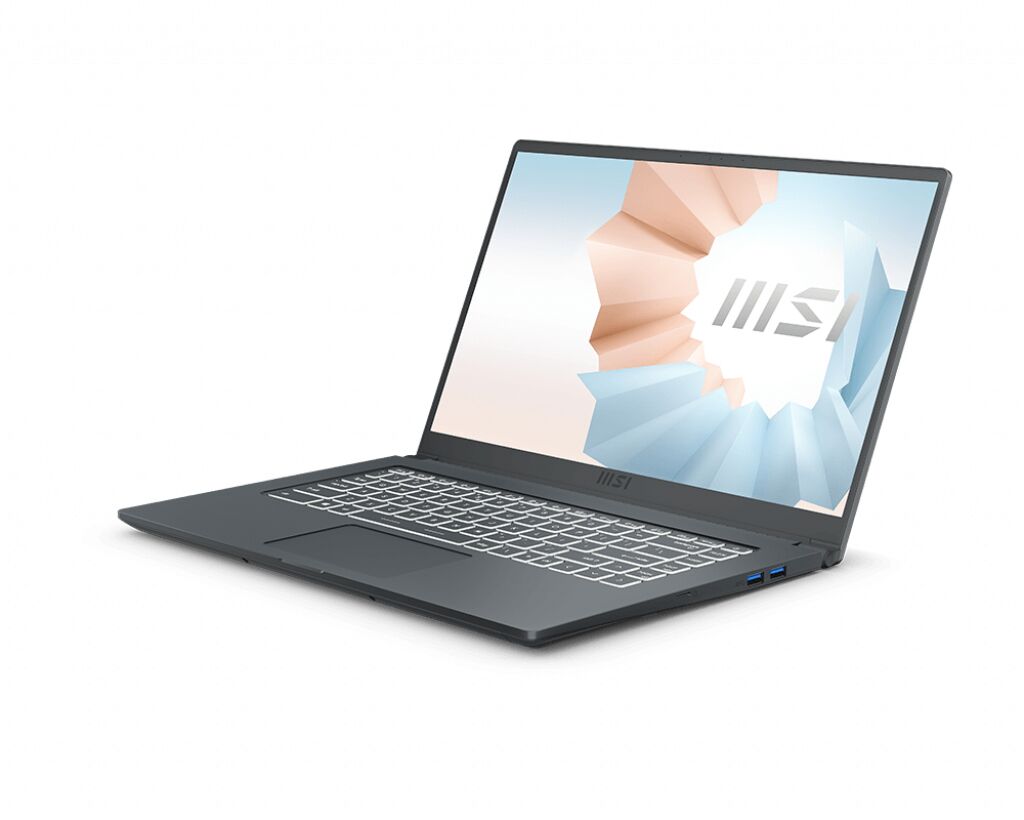
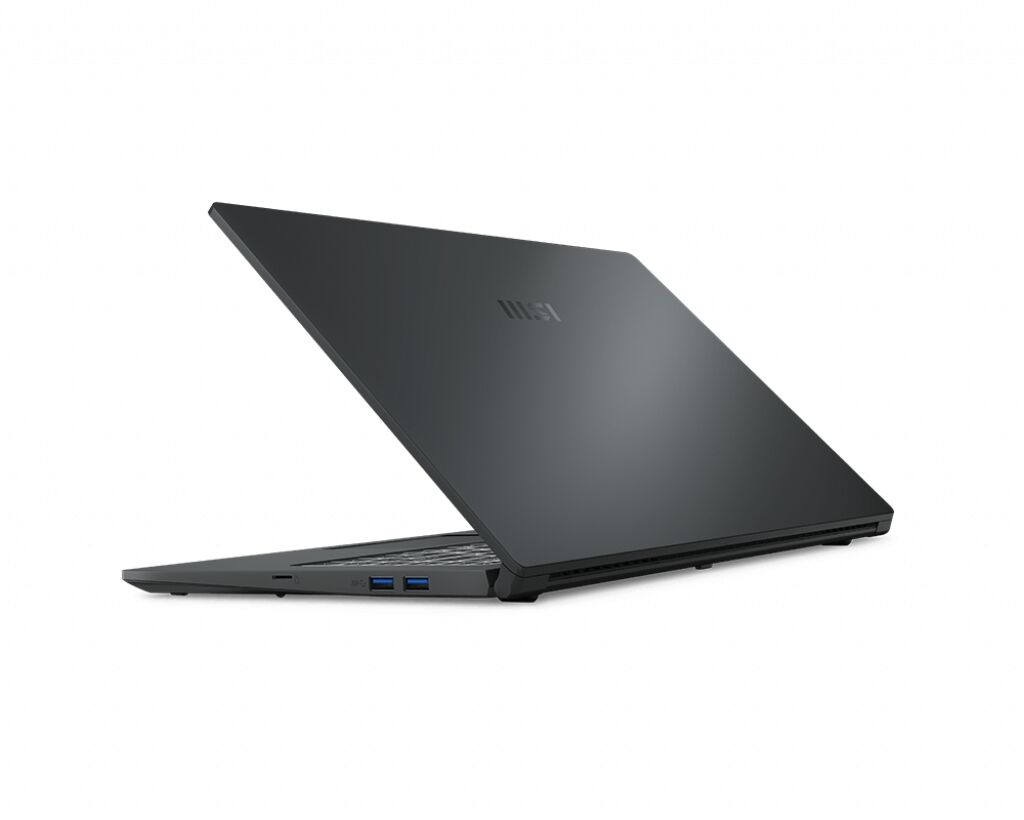
The MSI Modern 15 A11M-052XFR laptop features DDR4-SDRAM memory upgrade specifications with 2x SO-DIMM slots supporting a maximum RAM capacity of 64 GB. The memory operates at 2666 MHz frequency. Compatible upgrades utilize the SO-DIMM form factor for this laptop model. Specifications indicate the A11M-052XFR series supports DDR4 memory modules for RAM expansion and system performance enhancement.
Memory Upgrade Specifications
| Specification | Value |
|---|---|
| Memory slots | 2x SO-DIMM |
| Form factor | SO-DIMM |
| Memory type | DDR4-SDRAM |
| Frequency | 2666 MHz |
| Maximum RAM | 64 GB |
| Voltage | 1.2V |
| Number of pins | 260-pin |
| Interface | PC4 |
| PC Speed Rating | PC4-2666 (PC4-21328) |
| Bandwidth | 21.3 GB/s |
| Laptop Release date | 19 December 2020 |
Additional Notes
- The MSI Modern A11M-052XFR supports DDR4-SDRAM modules only; DDR5 memory modules are incompatible with this platform regardless of capacity.
- The 2x SO-DIMM slot configuration limits upgrade capacity to a maximum of 64 GB total when both slots are populated with 32 GB modules.
- Native frequency specification of 2666 MHz indicates the motherboard controller operates at this speed; higher frequency modules will downclock to this specification and cannot operate above it on this platform.
- SO-DIMM form factor mandates laptop-specific memory modules; standard UDIMM desktop memory is physically incompatible and will not fit the slots.
- Upgrading from stock configuration requires removing the existing module first; both slots cannot be simultaneously occupied during the transition if transitioning to higher capacity modules.
- Memory bandwidth constraint at 2666 MHz (approximately 21.3 GB/s) combined with SO-DIMM latency characteristics may create a performance bottleneck in memory-intensive workloads relative to higher-frequency DDR4 configurations found in competing systems.
- Single-channel to dual-channel transitions or capacity increases require verification that replacement modules match the existing module's specifications (CAS latency, voltage rating, manufacturer) to prevent compatibility issues or system instability.
- Warranty coverage typically remains intact for RAM upgrades using officially supported specifications; however, third-party module incompatibility issues generally fall outside manufacturer support scope.