MSI Modern A10RBS-456FR RAM upgrade specifications

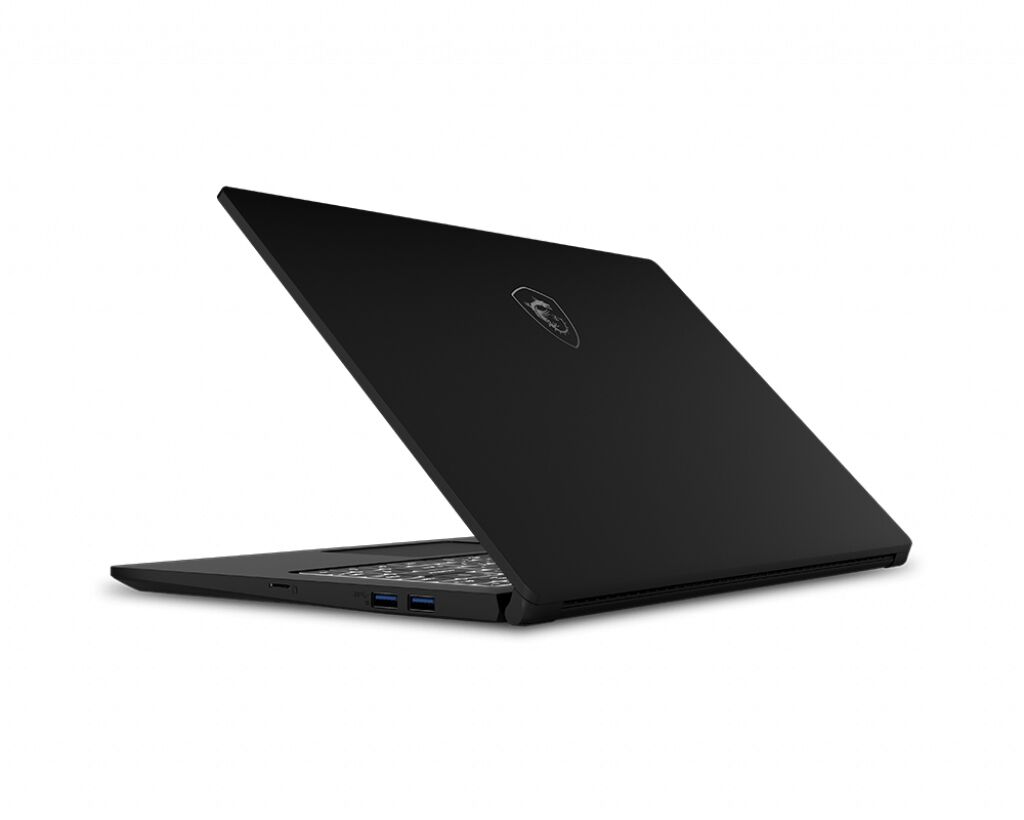

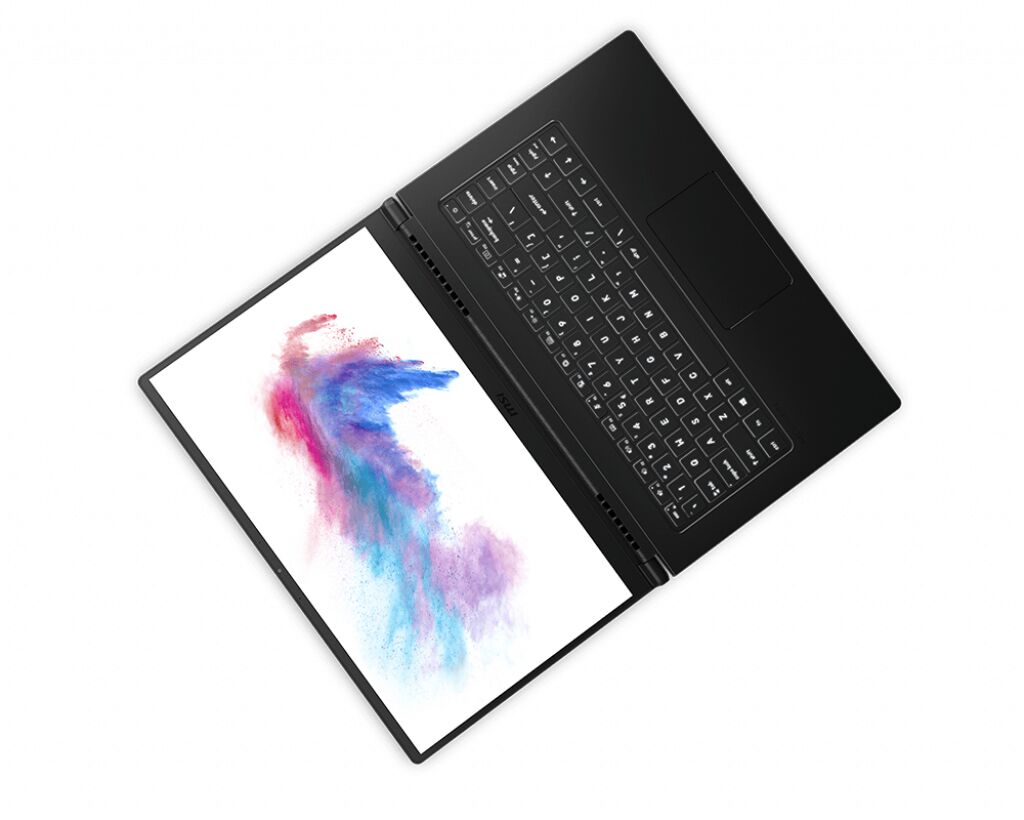
MSI Modern 15 A10RBS-456FR features DDR4-SDRAM memory upgrade specifications with two SO-DIMM slots supporting maximum RAM capacity of 64 GB. The laptop is compatible with DDR4 memory modules operating at 2666 MHz frequency. Upgrade options allow installation of DDR4-SDRAM in SO-DIMM form factor across both available slots, enabling memory expansion from stock configuration to maximum specified capacity. The A10RBS-456FR family supports DDR4 specifications for enhanced multitasking performance and system responsiveness.
Memory Upgrade Specifications
| Specification | Value |
|---|---|
| Memory slots | 2x SO-DIMM |
| Form factor | SO-DIMM |
| Memory type | DDR4-SDRAM |
| Frequency | 2666 MHz |
| Maximum RAM | 64 GB |
| Voltage | 1.2V |
| Number of pins | 260-pin |
| Interface | PC4 |
| PC Speed Rating | PC4-2666 (PC4-21328) |
| Bandwidth | 21.3 GB/s |
| Laptop Release date | 13 December 2020 |
Additional Notes
- The presence of 2 dedicated SO-DIMM slots ensures that dual-channel memory architecture is achievable, which doubles the theoretical bandwidth between the processor and the system memory compared to single-channel configurations.
- Upgrading the MSI Modern A10RBS-456FR to the maximum capacity of 64 GB requires the replacement of all existing modules, as the system lacks soldered memory and relies entirely on removable sticks.
- Installing memory modules with frequencies higher than 2666 MHz results in an automatic downclocking to the system bus limit, preventing any performance gains from overclocked profiles or higher-rated hardware.
- The hardware design necessitates the use of unbuffered non-ECC modules, as the chipset architecture lacks the parity error correction circuitry required for server-grade workstations.
- High-density 32 GB modules are required in each slot to reach the peak memory threshold, which may necessitate a BIOS update to ensure full addressing of the increased capacity.
- Internal access for memory replacement typically requires the removal of the entire base panel, which involves navigating plastic clips and potential tamper-evident seals that impact serviceability.
- Lower latency timings on aftermarket modules provide better responsiveness in memory-intensive tasks, provided the SPD profiles are compatible with the default voltage supplied by the motherboard.