MSI Modern A10RB-018FR RAM upgrade specifications

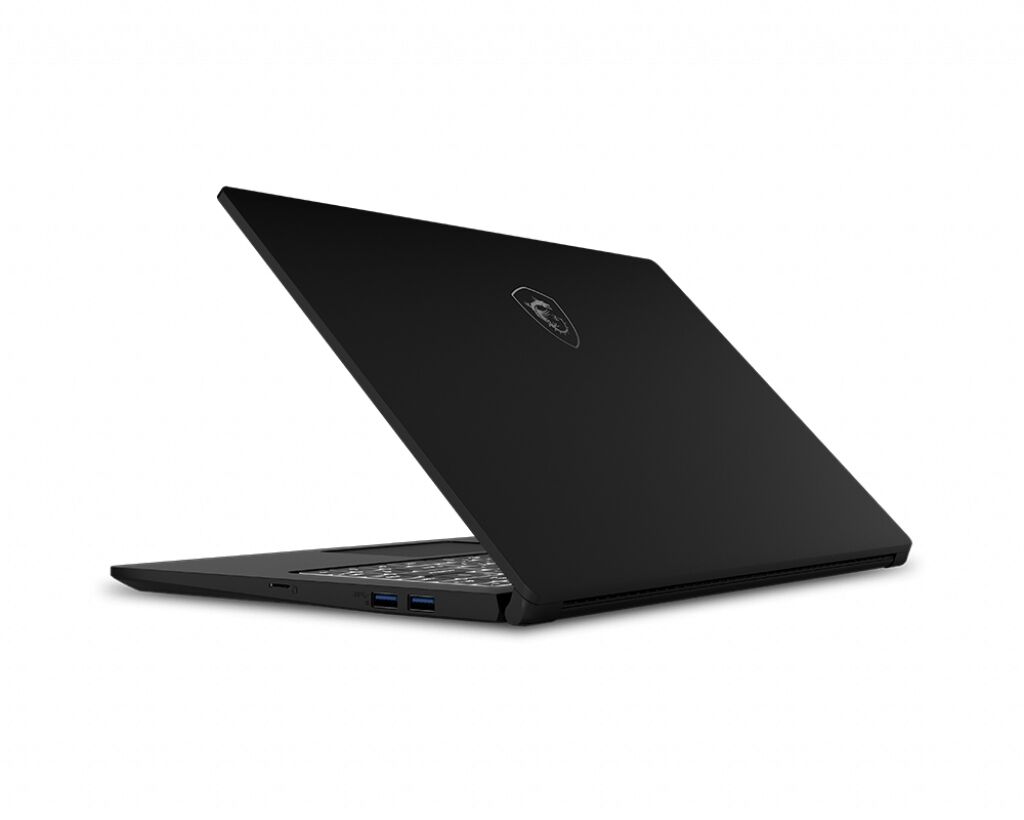

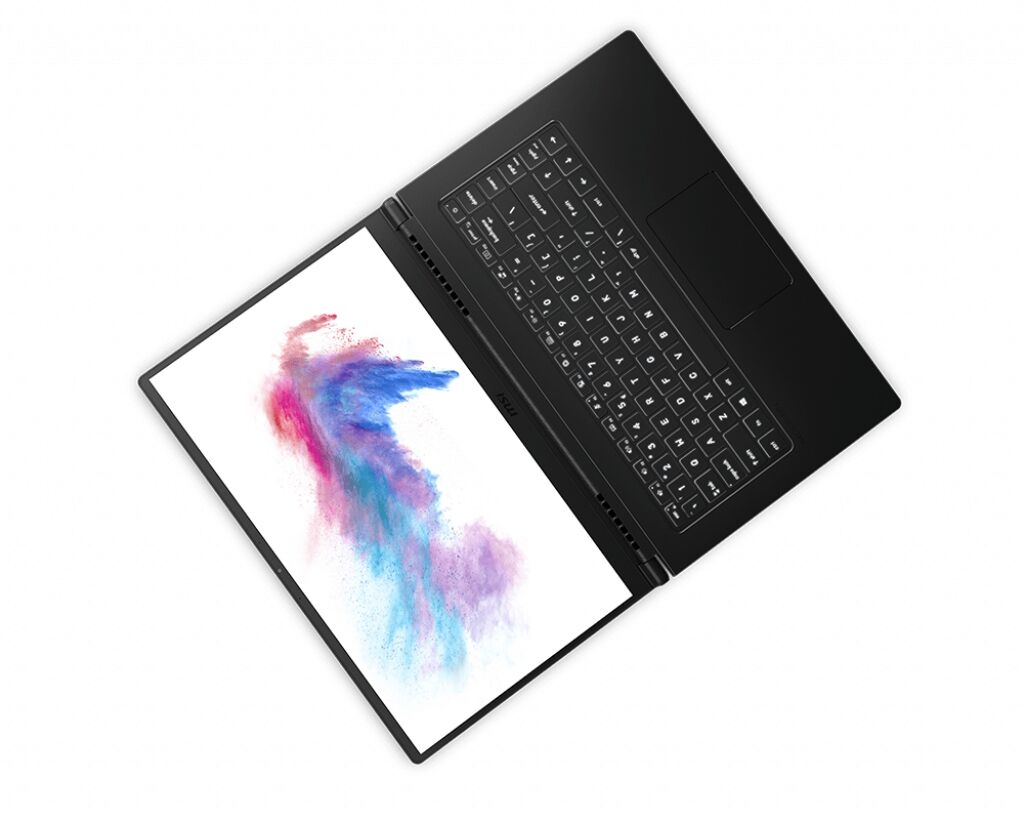
The MSI Modern 15 A10RB-018FR laptop features DDR4-SDRAM memory upgrade capabilities with two SO-DIMM slots supporting a maximum RAM capacity of 64 GB. Compatible memory modules operate at 2666 MHz frequency. The upgrade specifications indicate SO-DIMM form factor compatibility, allowing users to expand the system memory beyond factory configurations. Maximum supported memory capacity reaches 64 GB across both available slots, enabling significant performance improvements for multitasking and resource-intensive applications.
Memory Upgrade Specifications
| Specification | Value |
|---|---|
| Memory slots | 2x SO-DIMM |
| Form factor | SO-DIMM |
| Memory type | DDR4-SDRAM |
| Frequency | 2666 MHz |
| Maximum RAM | 64 GB |
| Voltage | 1.2V |
| Number of pins | 260-pin |
| Interface | PC4 |
| PC Speed Rating | PC4-2666 (PC4-21328) |
| Bandwidth | 21.3 GB/s |
| Laptop Release date | 19 January 2020 |
Additional Notes
- The 2666 MHz frequency specification indicates DDR4-2666 SDRAM, which operates at a lower bandwidth than DDR4-3200, potentially limiting performance in memory-intensive applications.
- The MSI Modern A10RB-018FR supports a maximum of 64 GB across 2 slots, requiring 32 GB modules for full capacity, which may be costlier than smaller density configurations.
- SO-DIMM form factor restricts compatibility to laptop-specific modules, as desktop DIMM modules are physically incompatible with this system.
- Systems with 2 memory slots necessitate removing existing modules to upgrade beyond the pre-installed configuration, potentially rendering original RAM obsolete.
- DDR4 generation modules are not backward or forward compatible with DDR3 or DDR5 technologies due to different pin configurations and voltage requirements.
- Operating dual-channel mode requires matched module pairs in both slots to achieve optimal memory bandwidth and system responsiveness.
- Modules exceeding 2666 MHz will downclock to match the system's maximum supported frequency, negating any speed advantages.
- Accessing memory slots typically requires removing the bottom panel, which may void warranty if manufacturer seals are broken during the process.
- Non-ECC SO-DIMM modules are standard for this configuration, as ECC memory would be incompatible with consumer-grade chipsets.
- Single-rank versus dual-rank module architecture affects latency characteristics, with dual-rank configurations sometimes providing marginal performance benefits in certain workloads.