MSI Modern A10RAS-280XFR RAM upgrade specifications

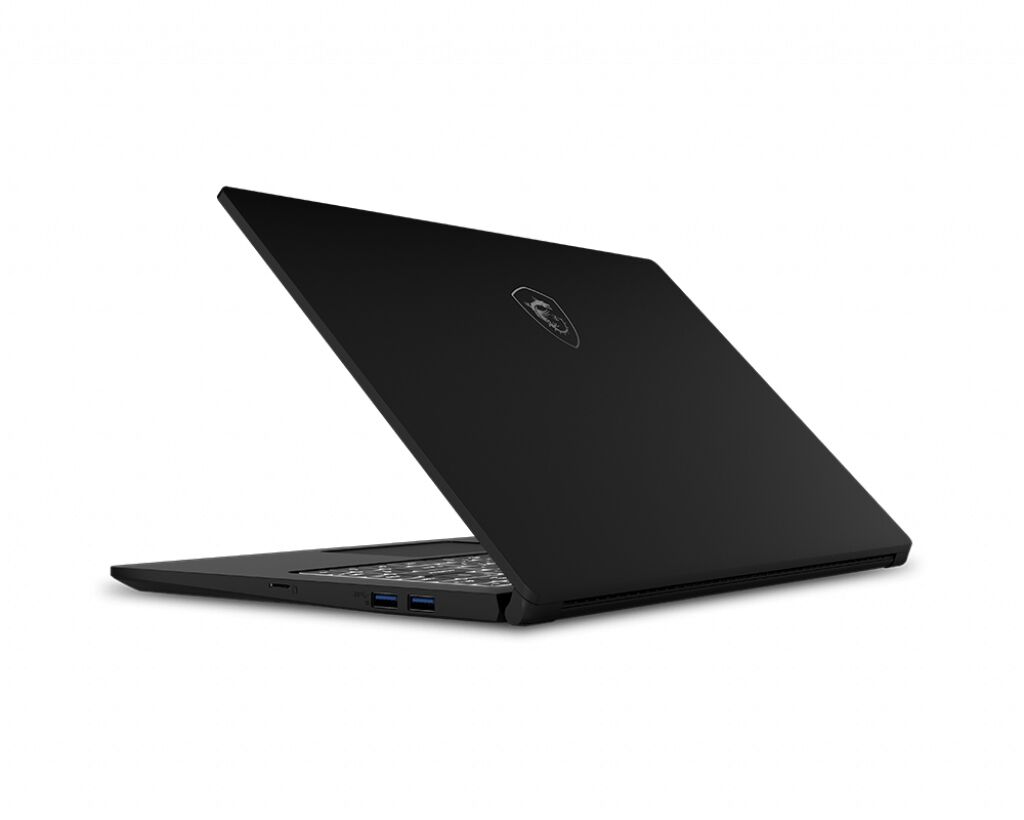
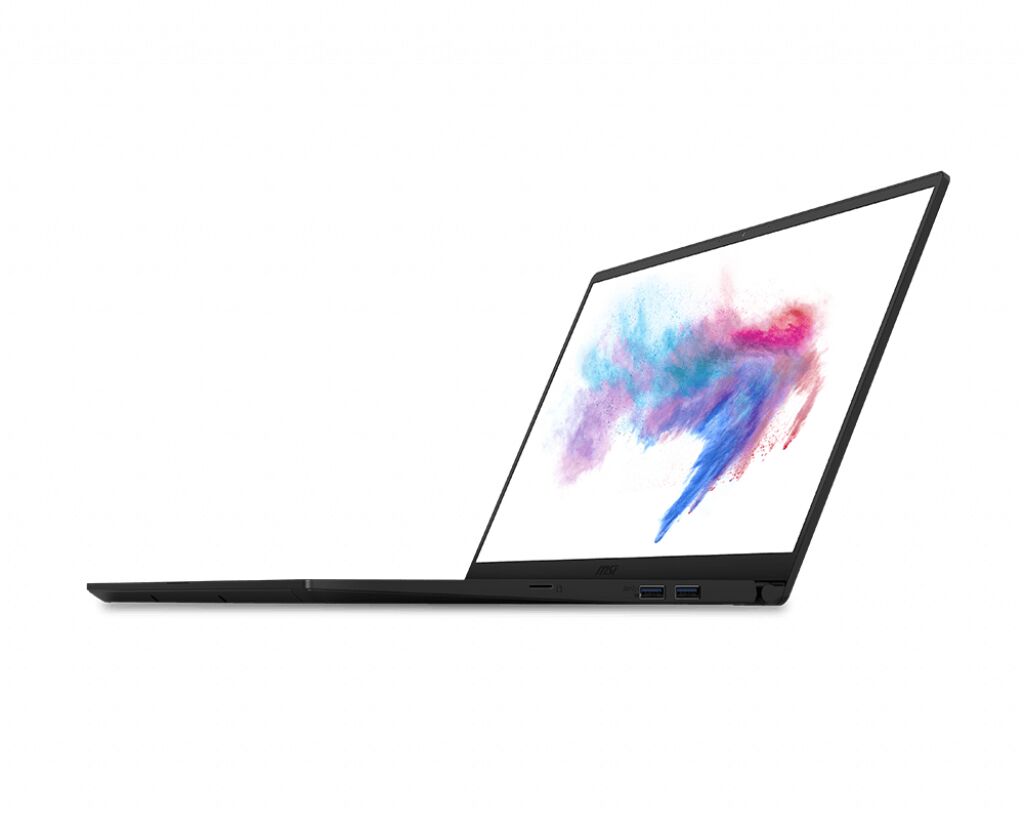
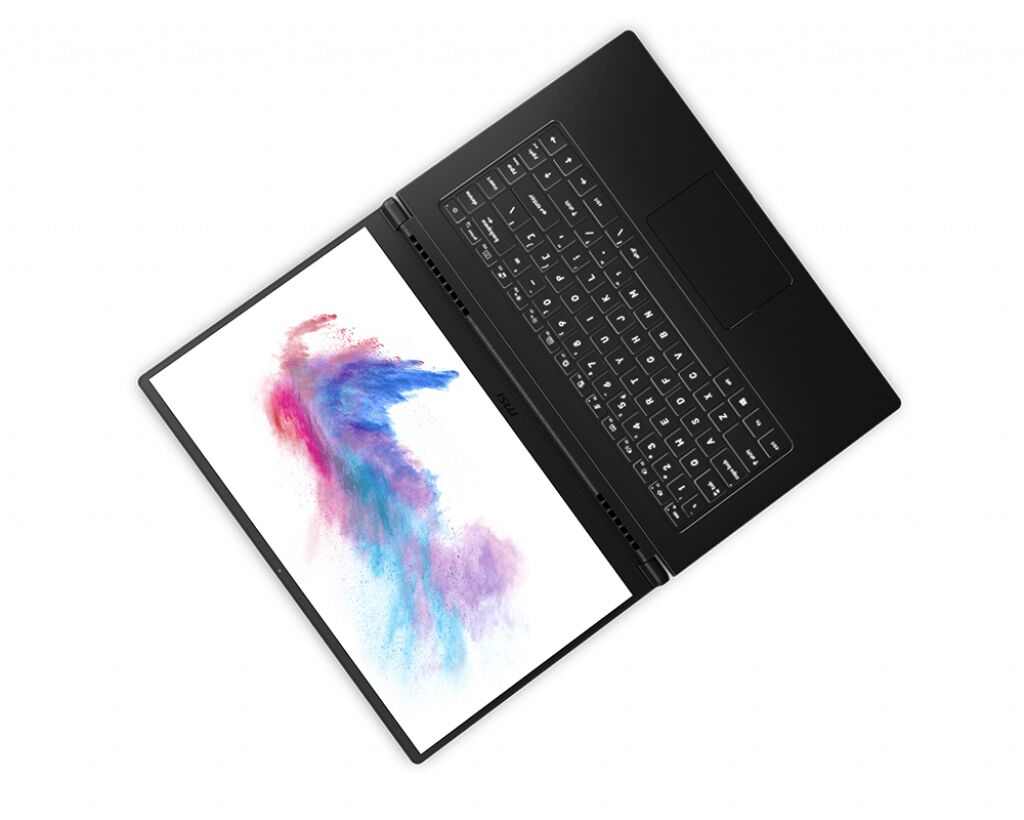
MSI Modern A10RAS-280XFR laptop memory upgrade specifications indicate compatible DDR4-SDRAM modules in SO-DIMM form factor. The system features 2 memory slots supporting maximum RAM capacity of 64 GB total. DDR4 memory operates at 2666 MHz frequency. Compatible upgrades require DDR4-SDRAM modules matching specifications for SO-DIMM slots. Maximum supported capacity allows for significant memory expansion from baseline configuration.
Memory Upgrade Specifications
| Specification | Value |
|---|---|
| Memory slots | 2x SO-DIMM |
| Form factor | SO-DIMM |
| Memory type | DDR4-SDRAM |
| Frequency | 2666 MHz |
| Maximum RAM | 64 GB |
| Voltage | 1.2V |
| Number of pins | 260-pin |
| Interface | PC4 |
| PC Speed Rating | PC4-2666 (PC4-21328) |
| Bandwidth | 21.3 GB/s |
| Laptop Release date | 16 December 2020 |
Additional Notes
- The MSI Modern A10RAS-280XFR contains 2 SO-DIMM slots with a 64 GB ceiling, meaning maximum practical capacity reaches 32 GB per module. Exceeding this module size will not be recognized by the motherboard, rendering the investment unrecoverable.
- DDR4-2666 MHz represents the native supported frequency. Installing DDR4 modules rated above 2666 MHz will downclock to this speed automatically. Overclocked RAM will not operate beyond specifications on this platform, negating any performance premium paid for higher-frequency variants.
- SO-DIMM slots occupy minimal vertical space typical of compact form factors. Standard full-size UDIMM modules cannot physically fit into these sockets; SO-DIMM form factor is mandatory for any expansion.
- The dual-slot architecture creates a critical upgrade bottleneck: both slots must be populated to achieve the 64 GB maximum. Removing existing modules becomes necessary during expansion, as there is no intermediate step between current capacity and full capacity without replacement.
- DDR4-SDRAM technology has entered the mature phase of its lifecycle. New procurement of DDR4 modules may face stock discontinuation within 24 to 36 months as manufacturers transition production to DDR5 platforms. Warranty-covered replacements through MSI may become unavailable for this memory generation.
- Bandwidth saturation occurs at 2666 MHz across 64-bit channels. System performance ceilings are fixed by frequency rather than latency tuning, so selecting modules with tighter timings (CAS 15 versus CAS 18, for example) produces negligible real-world throughput gains on this platform.