MSI Prestige 15 A10SC-018CA RAM upgrade specifications
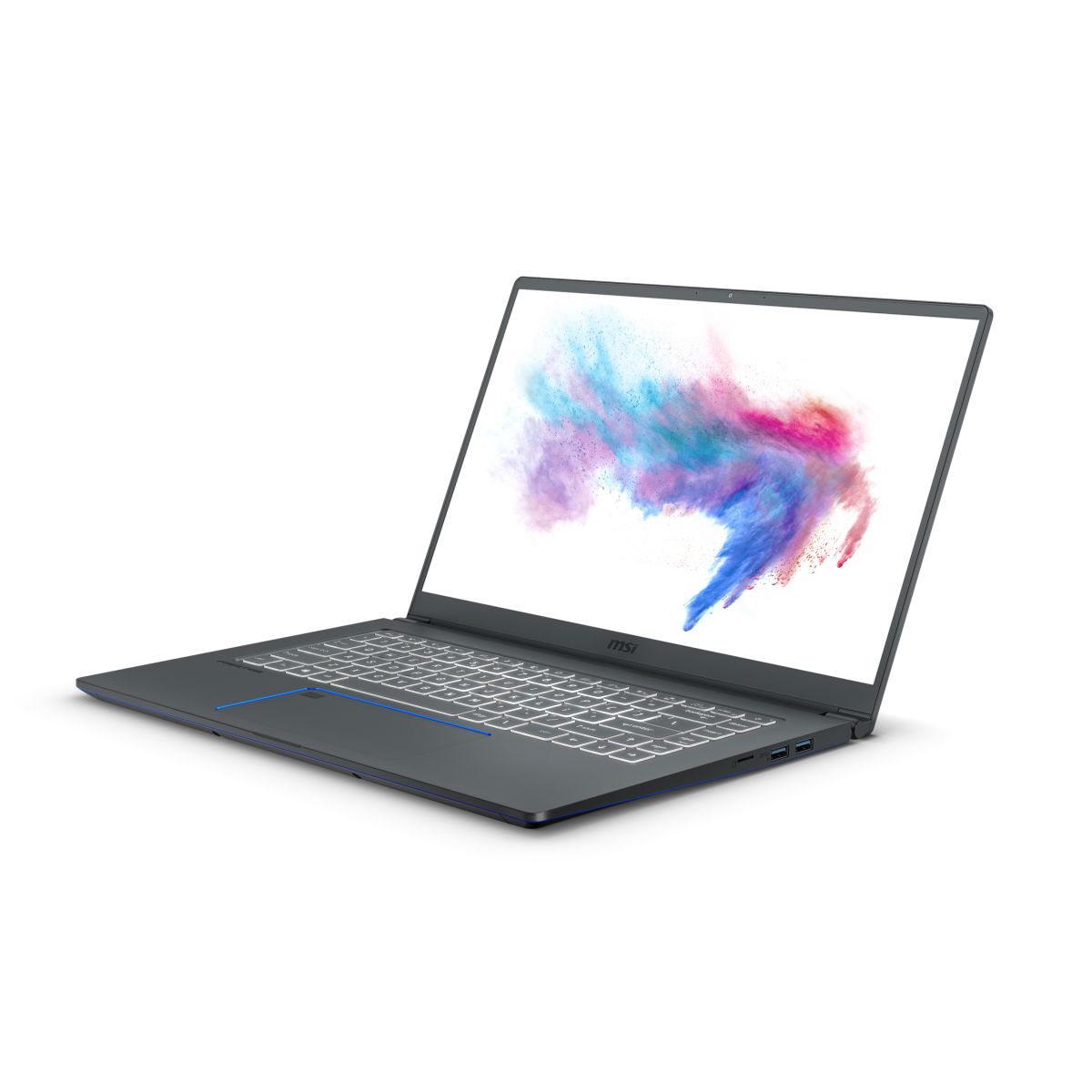

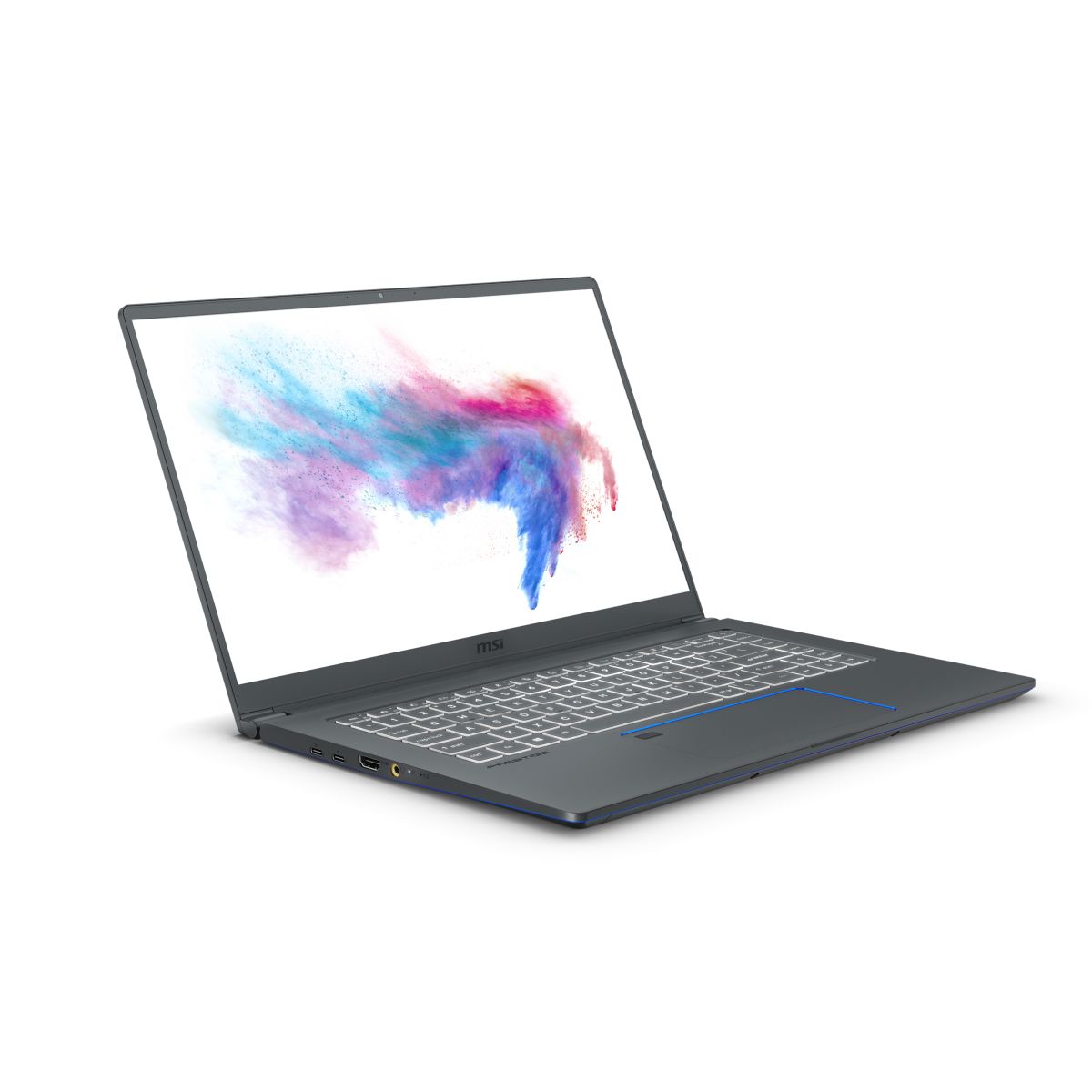
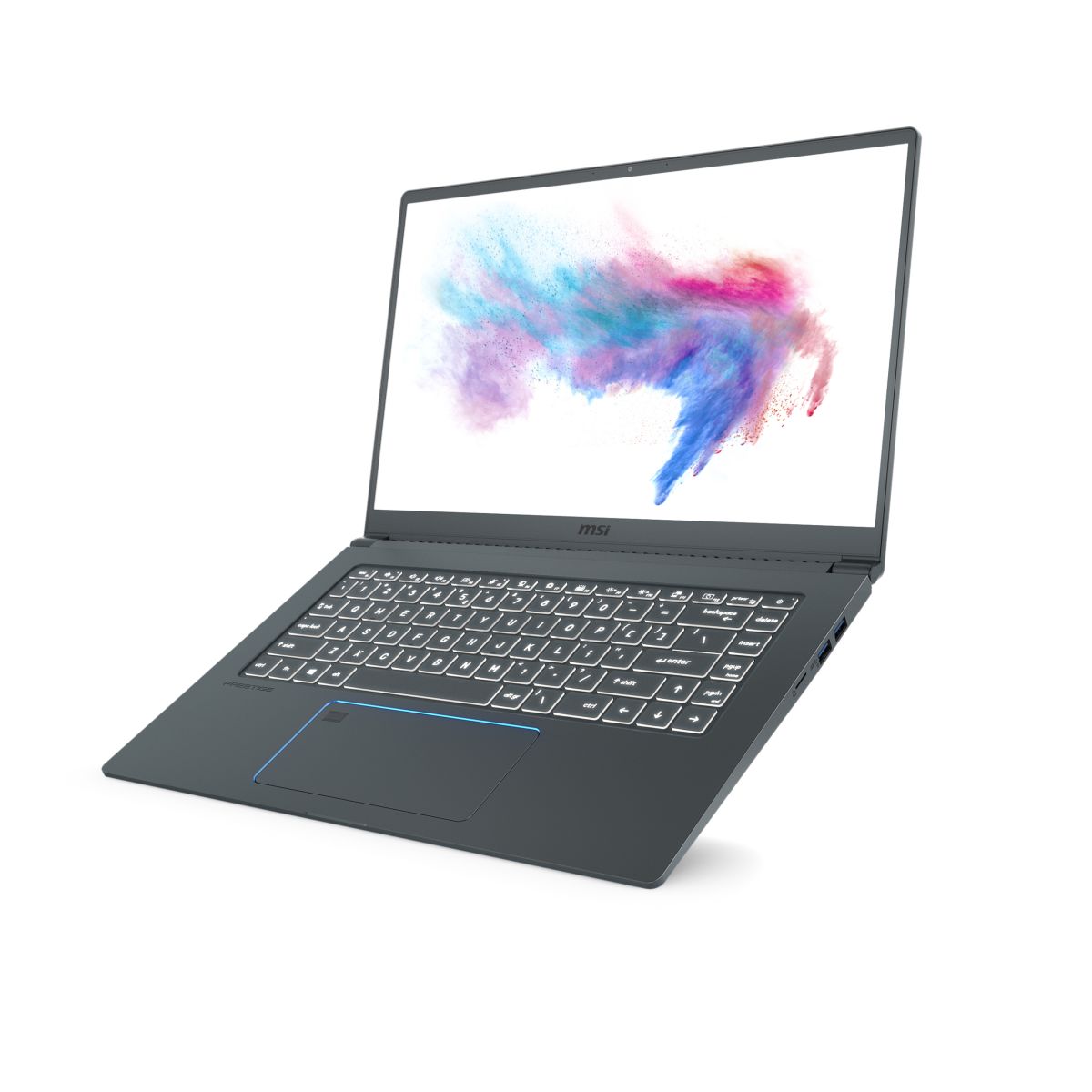
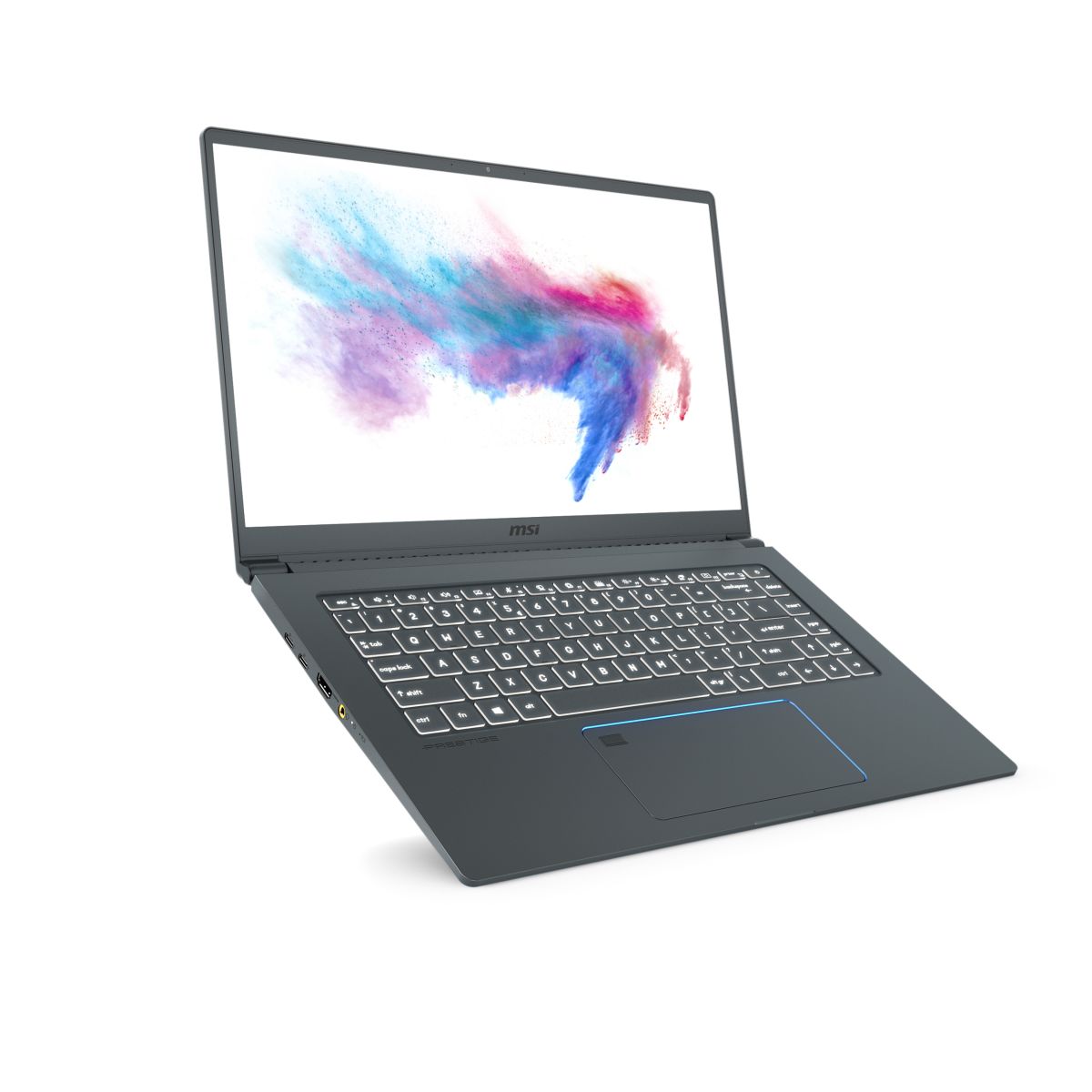
MSI Prestige 15 A10SC-018CA specifications indicate DDR4-SDRAM memory upgrade capacity. The laptop contains 2x SO-DIMM slots supporting maximum RAM of 64 GB total capacity. Compatible memory modules operate at 2666 MHz frequency. Upgrade specifications utilize SO-DIMM form factor for memory modules. Maximum memory configuration represents the highest compatible capacity for this MSI model.
Memory Upgrade Specifications
| Specification | Value |
|---|---|
| Memory slots | 2x SO-DIMM |
| Form factor | SO-DIMM |
| Memory type | DDR4-SDRAM |
| Frequency | 2666 MHz |
| Maximum RAM | 64 GB |
| Voltage | 1.2V |
| Number of pins | 260-pin |
| Interface | PC4 |
| PC Speed Rating | PC4-2666 (PC4-21328) |
| Bandwidth | 21.3 GB/s |
| Laptop Release date | 25 November 2019 |
Additional Notes
- The MSI Prestige 15 A10SC-018CA supports dual-channel memory architecture through its 2 SO-DIMM slots, enabling theoretical bandwidth doubling compared to single-channel configurations when matched modules are installed.
- SO-DIMM modules measure 67.6mm in length compared to standard desktop DIMM at 133.35mm, requiring physically smaller modules incompatible with desktop memory.
- The 64 GB maximum capacity indicates chipset support for 32 GB modules per slot, though availability of DDR4 SO-DIMM modules at this density remains limited compared to 16 GB variants.
- DDR4-2666 operates at a data transfer rate of 21,328 MB/s per channel, resulting in 42,656 MB/s aggregate bandwidth when both slots populate identical modules in dual-channel mode.
- Memory speed compatibility follows JEDEC standards where higher-rated modules automatically downclock to 2666 MHz, making DDR4-3200 modules functional but operating at reduced specifications.
- CAS latency timing ratios remain critical as absolute latency in nanoseconds changes with frequency; CL16 at 2666 MHz yields approximately 12ns first-word latency.
- Voltage specification for DDR4-2666 standardizes at 1.2V, with modules rated above this threshold potentially causing thermal management issues or boot failures depending on BIOS flexibility.
- Access to memory slots typically requires complete bottom panel removal rather than dedicated service doors, affecting upgrade complexity and potential warranty seal violations.
- Population of both slots with asymmetric capacities maintains functionality but may limit dual-channel operation to the lowest common capacity between modules.
- Intel 10th generation mobile platforms impose memory controller limitations regardless of motherboard slot capability, making advertised maximums dependent on CPU memory controller specifications.