MSI Prestige 15 A11SB-469CA RAM upgrade specifications
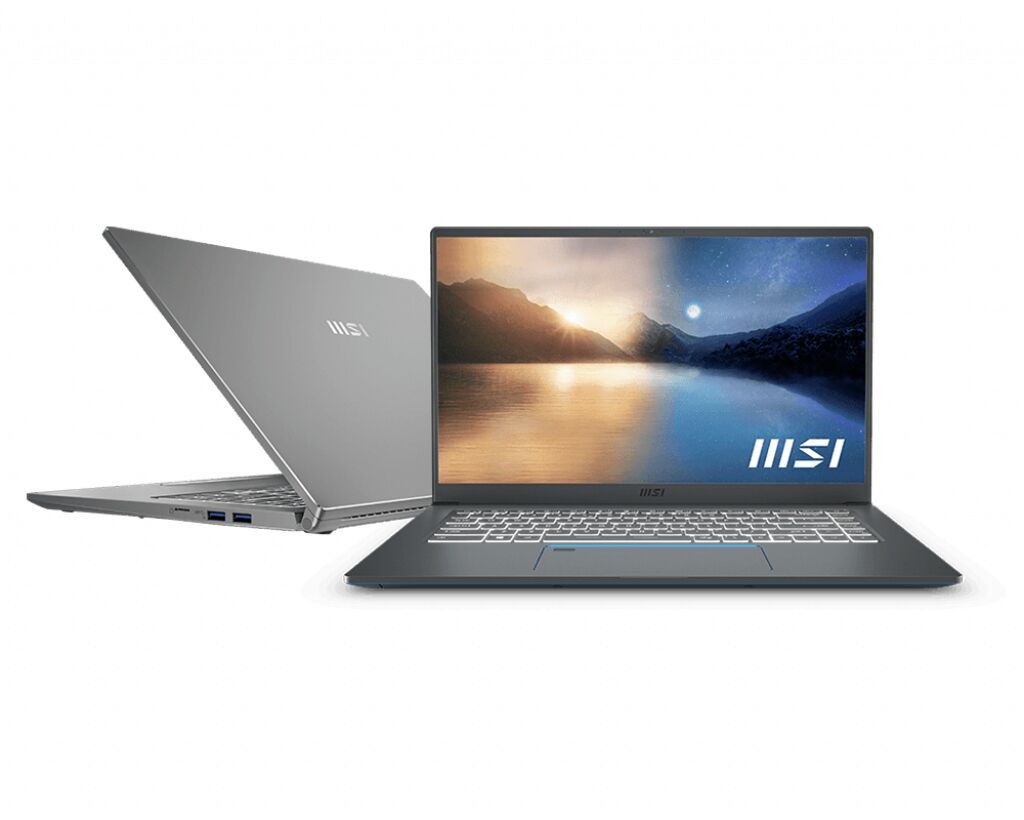
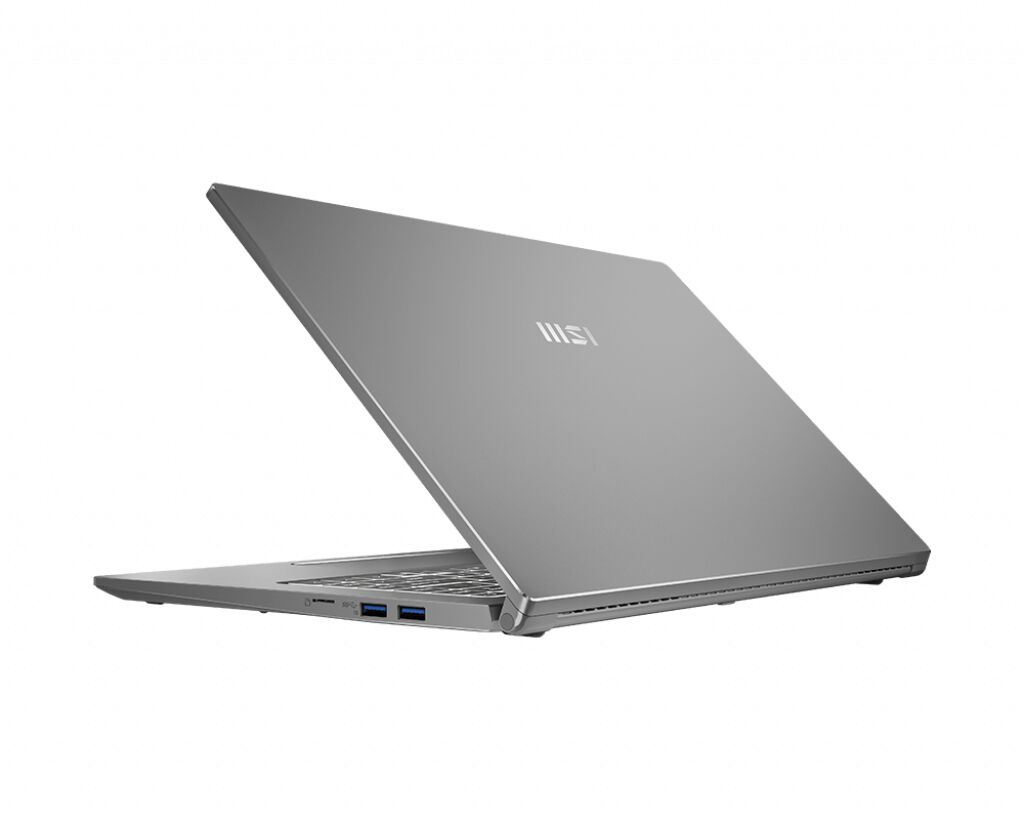
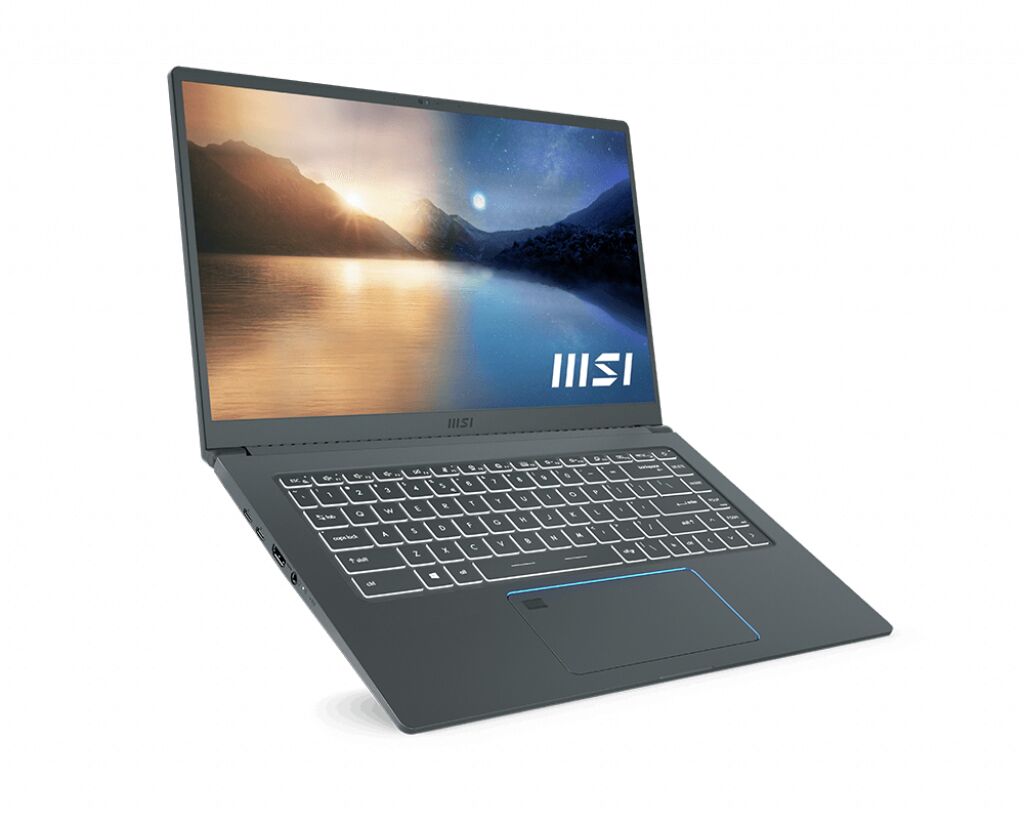
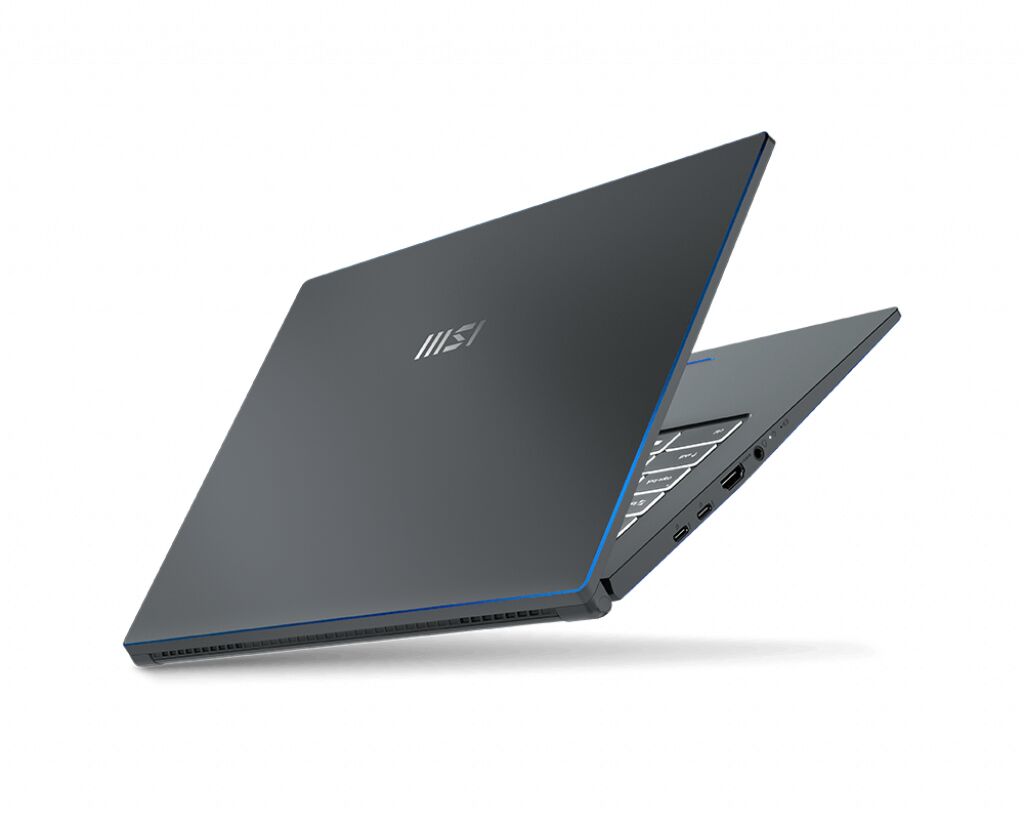
MSI Prestige 15 A11SB-469CA laptop supports DDR4-SDRAM memory upgrades with 2x SO-DIMM slots. Maximum memory capacity reaches 64 GB, operating at 3200 MHz frequency. Compatible upgrades utilize SO-DIMM form factor specifications. RAM upgrade configurations enable enhanced multitasking and performance capabilities for Prestige 15 A11SB-469CA systems.
Memory Upgrade Specifications
| Specification | Value |
|---|---|
| Memory slots | 2x SO-DIMM |
| Form factor | SO-DIMM |
| Memory type | DDR4-SDRAM |
| Frequency | 3200 MHz |
| Maximum RAM | 64 GB |
| Voltage | 1.2V |
| Number of pins | 260-pin |
| Interface | PC4 |
| PC Speed Rating | PC4-3200 (PC4-25600) |
| Bandwidth | 25.6 GB/s |
| Laptop Release date | 20 February 2022 |
Additional Notes
- The MSI Prestige 15 A11SB-469CA accepts dual-channel DDR4 SO-DIMM modules, meaning both slots should contain identical capacity and speed modules to achieve optimal memory bandwidth through simultaneous data transfer across both channels.
- The 3200 MHz specification indicates PC4-25600 modules are required, as this frequency corresponds to a peak theoretical bandwidth of 25.6 GB/s per module when both channels operate in dual-channel mode.
- The 64 GB maximum capacity constraint means each SO-DIMM slot supports up to 32 GB modules, which may require dual-rank organization depending on the density of the memory chips used by the manufacturer.
- Installing a single module or mismatched modules will force the memory controller into single-channel mode, effectively halving the available memory bandwidth and potentially impacting integrated graphics performance and memory-intensive applications.
- The SO-DIMM form factor requires modules approximately 67.6 mm in length, which are physically smaller than standard desktop DIMM modules and not interchangeable with desktop memory.
- DDR4 operates at 1.2V standard voltage, and the system will not accept DDR3, DDR3L, or DDR5 modules due to physical notch position differences and electrical incompatibility.
- Access to the memory slots typically requires removing the bottom panel, which may involve breaking manufacturer seals that could affect warranty status depending on regional consumer protection laws and MSI's specific warranty terms.
- The memory controller's support for 3200 MHz may depend on JEDEC standard profiles or require XMP 2.0 support in the BIOS, as DDR4 base specification runs at 2133 MHz with higher speeds achieved through overclocking profiles.
- Upgrading beyond 16 GB total capacity may provide diminishing returns for general productivity tasks, though benefits become measurable in virtual machine usage, large dataset processing, or content creation workflows with multiple concurrent applications.
- Mixing modules with different CAS latencies will force all modules to operate at the slowest timing specification present, potentially reducing performance even if frequency ratings match across all installed memory.