MSI Prestige 15 A10SC-295ES RAM upgrade specifications
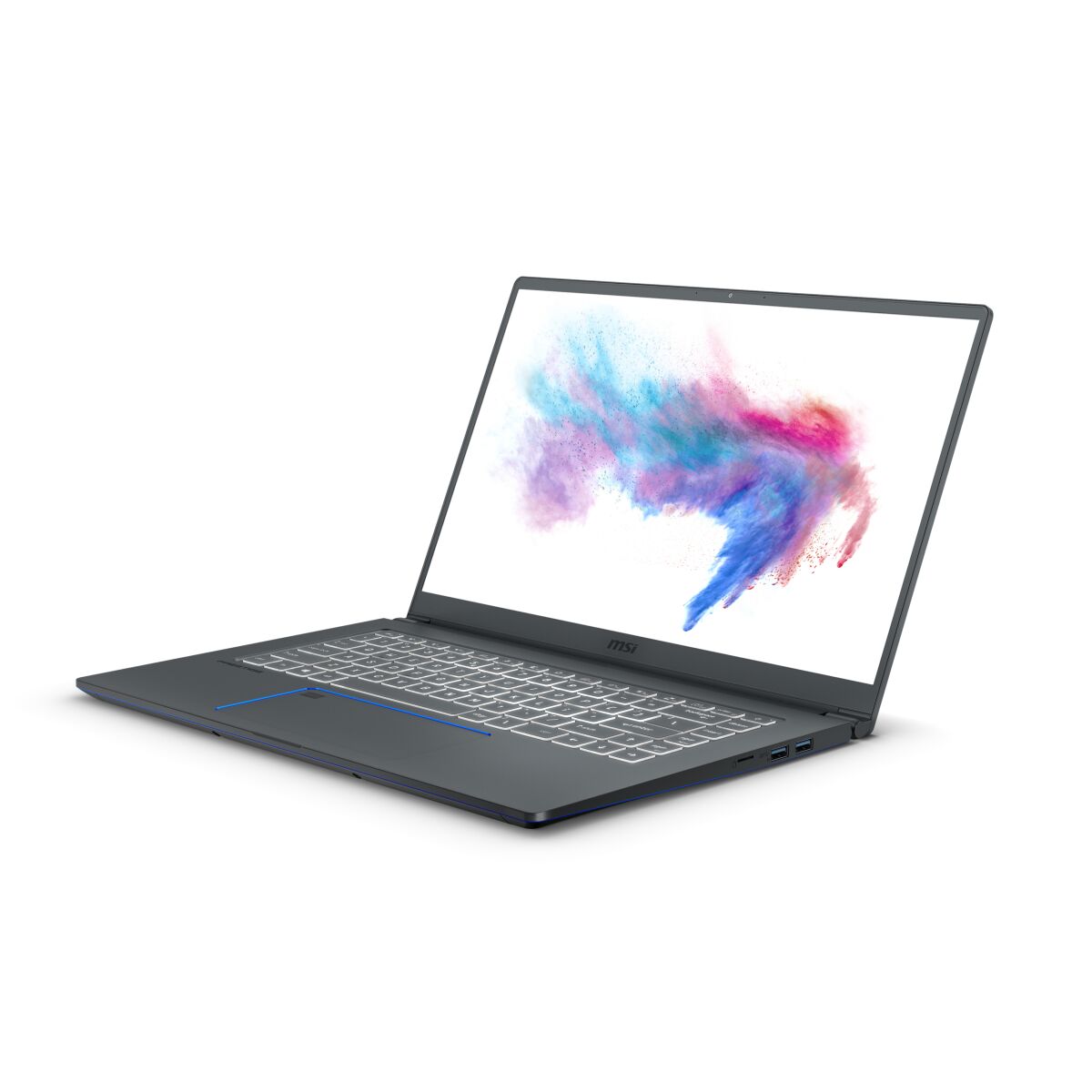
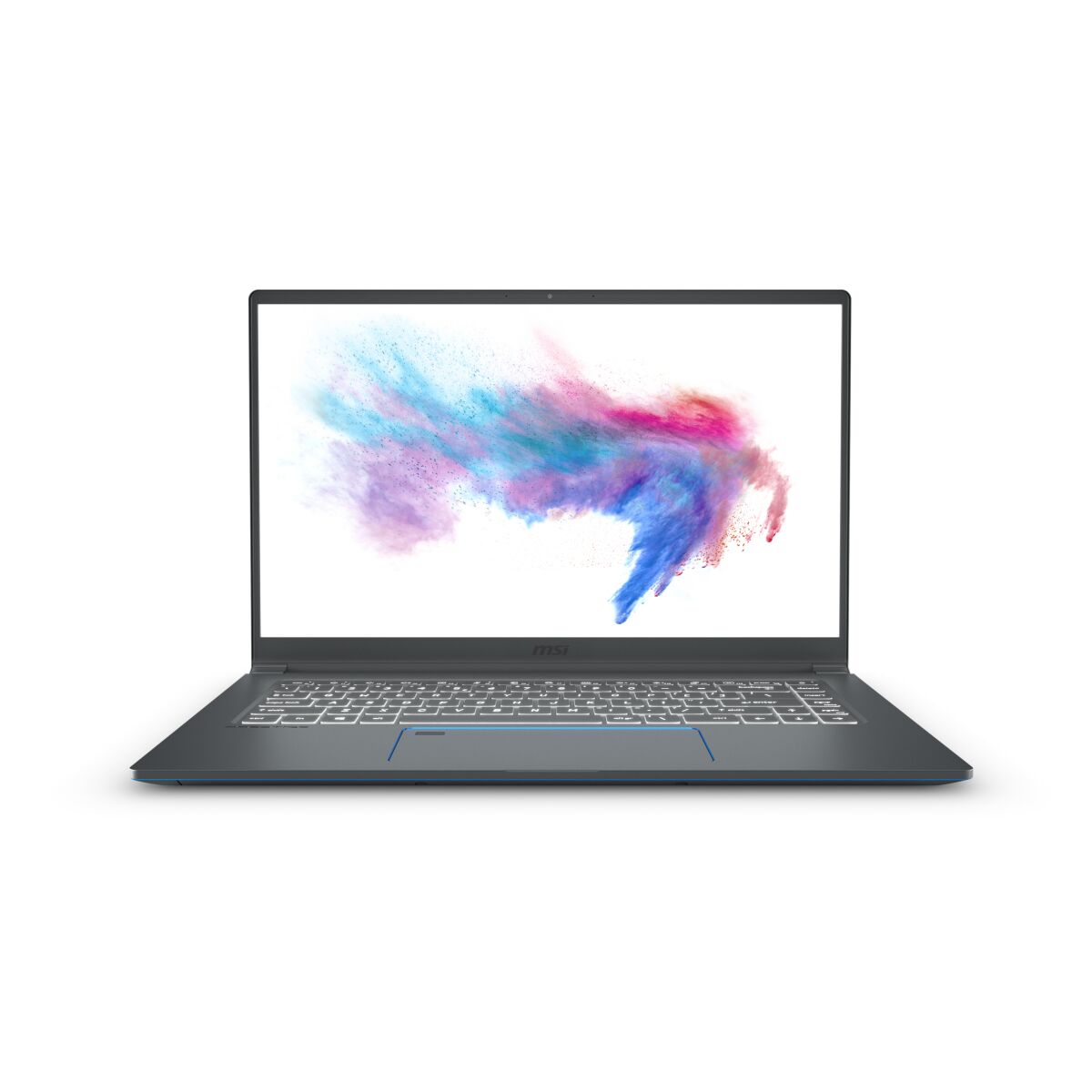
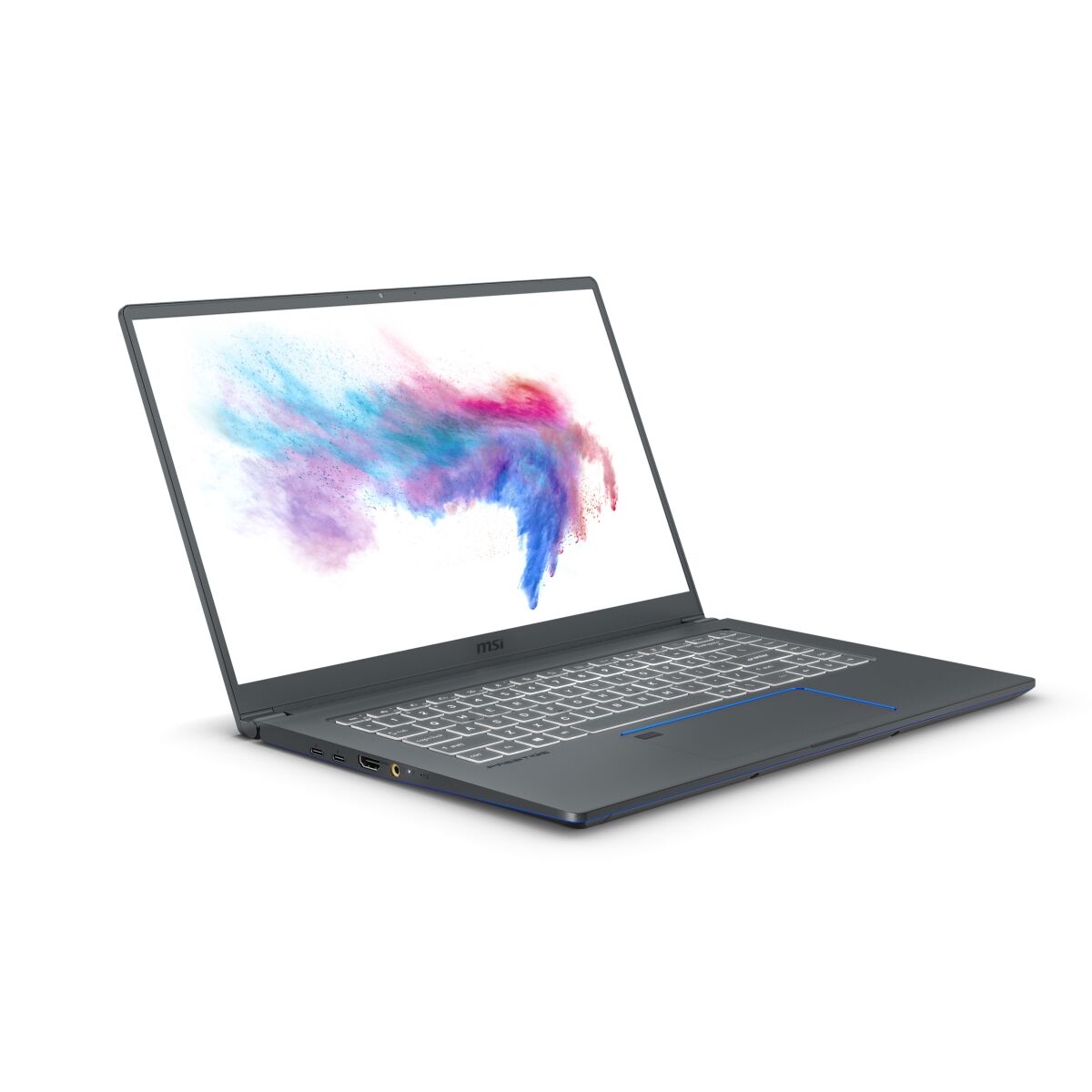
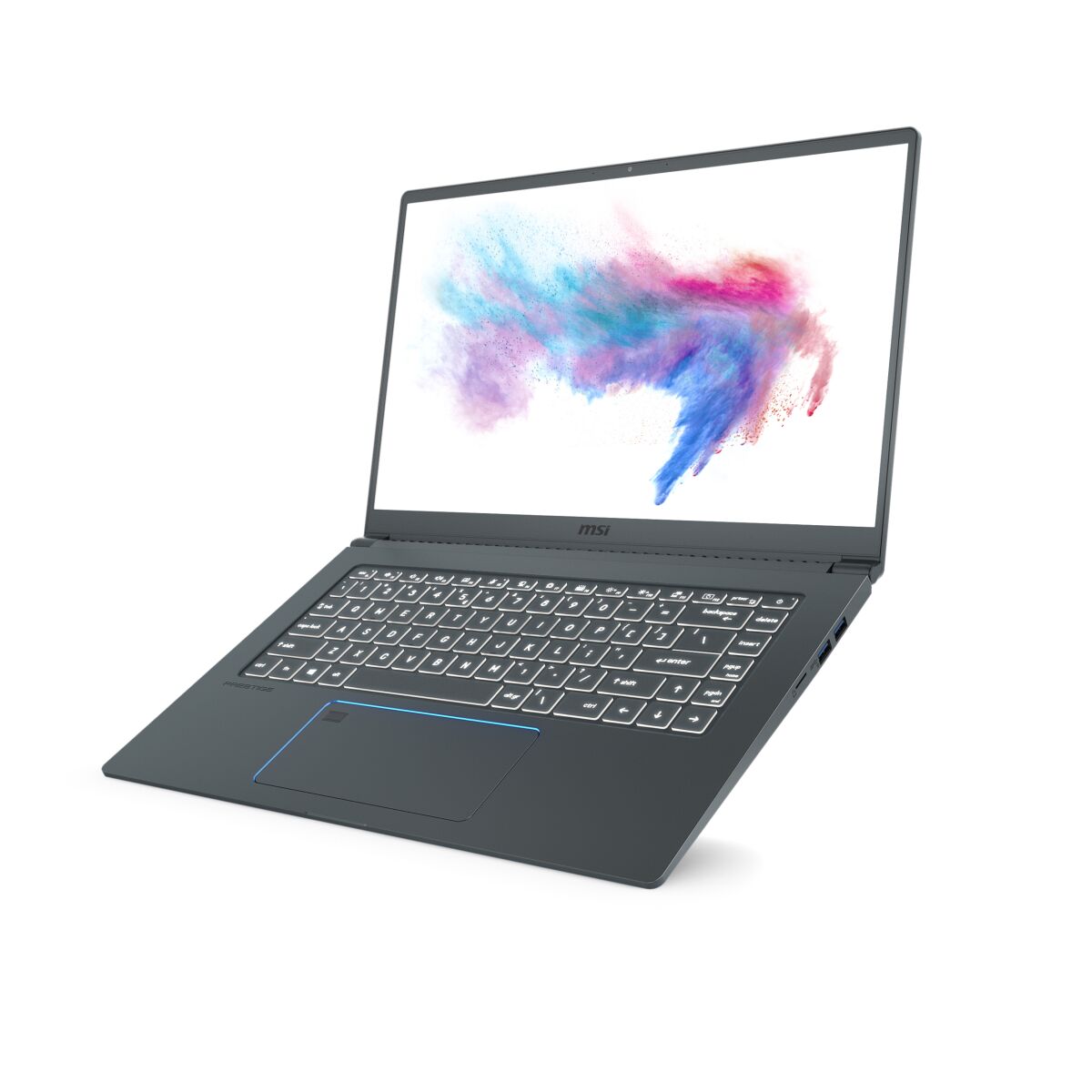
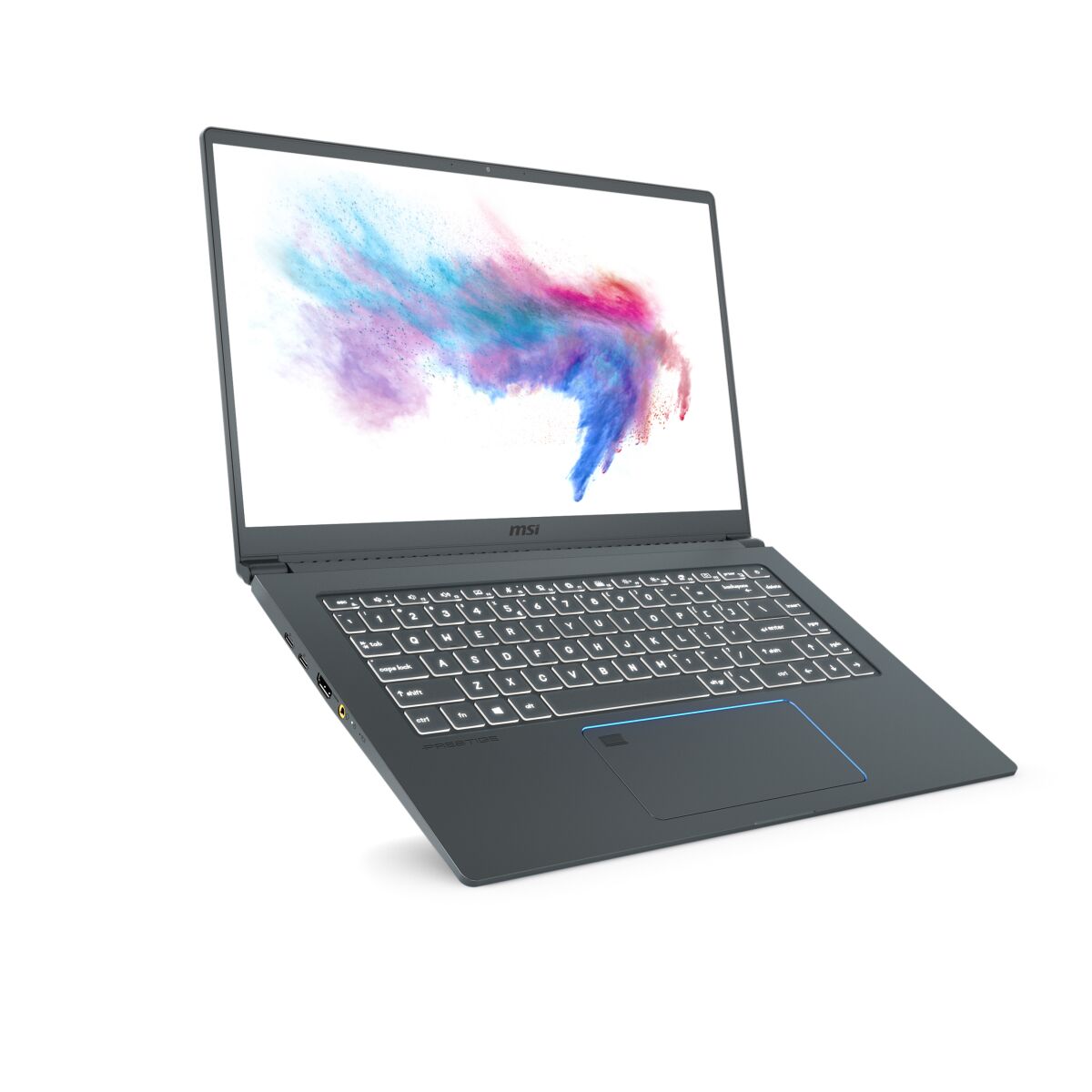
MSI Prestige 15 A10SC-295ES laptop supports RAM upgrades through dual SO-DIMM slots. Compatible memory type is DDR4-SDRAM operating at 2666 MHz frequency. Maximum RAM capacity specifications allow installation up to 64 GB total. Current upgrade slots accommodate SO-DIMM form factor modules. These specifications define the compatible memory upgrade parameters for the MSI Prestige 15 A10SC-295ES model.
Memory Upgrade Specifications
| Specification | Value |
|---|---|
| Memory slots | 2x SO-DIMM |
| Form factor | SO-DIMM |
| Memory type | DDR4-SDRAM |
| Frequency | 2666 MHz |
| Maximum RAM | 64 GB |
| Voltage | 1.2V |
| Number of pins | 260-pin |
| Interface | PC4 |
| PC Speed Rating | PC4-2666 (PC4-21328) |
| Bandwidth | 21.3 GB/s |
| Laptop Release date | 16 September 2020 |
Additional Notes
- The MSI Prestige 15 A10SC-295ES requires SO-DIMM modules exclusively, which eliminates standard DIMM compatibility and restricts sourcing to laptop-specific memory vendors.
- DDR4-2666 represents JEDEC standard speed rather than overclocked XMP profiles, ensuring broad module compatibility without BIOS configuration requirements.
- The 64 GB ceiling permits 2x32 GB configurations, though individual 32 GB SO-DIMM modules carry density premiums compared to conventional 2x16 GB dual-channel setups.
- Dual-slot architecture enables incremental upgrades through single-module replacement while maintaining operational status, avoiding complete downtime during capacity expansion.
- The 2666 MHz specification indicates bandwidth of 21.3 GB/s per channel, creating 42.6 GB/s aggregate throughput in dual-channel mode that may bottleneck GPU-intensive workloads or large dataset processing.
- SO-DIMM modules operating at 2666 MHz typically consume 1.2V, generating less thermal output than higher-frequency alternatives within confined laptop chassis environments.
- Mixing modules with identical 2666 MHz base frequency but different latency timings (CAS 17 versus CAS 19) will force all modules to operate at the slowest common timing specification.
- Desktop DDR4 modules physically cannot insert into SO-DIMM slots due to pin count differences (260-pin versus 288-pin) and incompatible notch positioning.
- The 64 GB maximum suggests memory controller limitations within the 10th generation Intel Comet Lake architecture rather than physical slot restrictions.
- Installing modules exceeding 2666 MHz will result in automatic downclocking to specification limits, offering no performance advantage while increasing component cost.
- Access to SO-DIMM slots typically requires bottom panel removal, which may void warranties if manufacturer seals are broken without authorized service involvement.