MSI Prestige 15 A11SCS-031ES RAM upgrade specifications
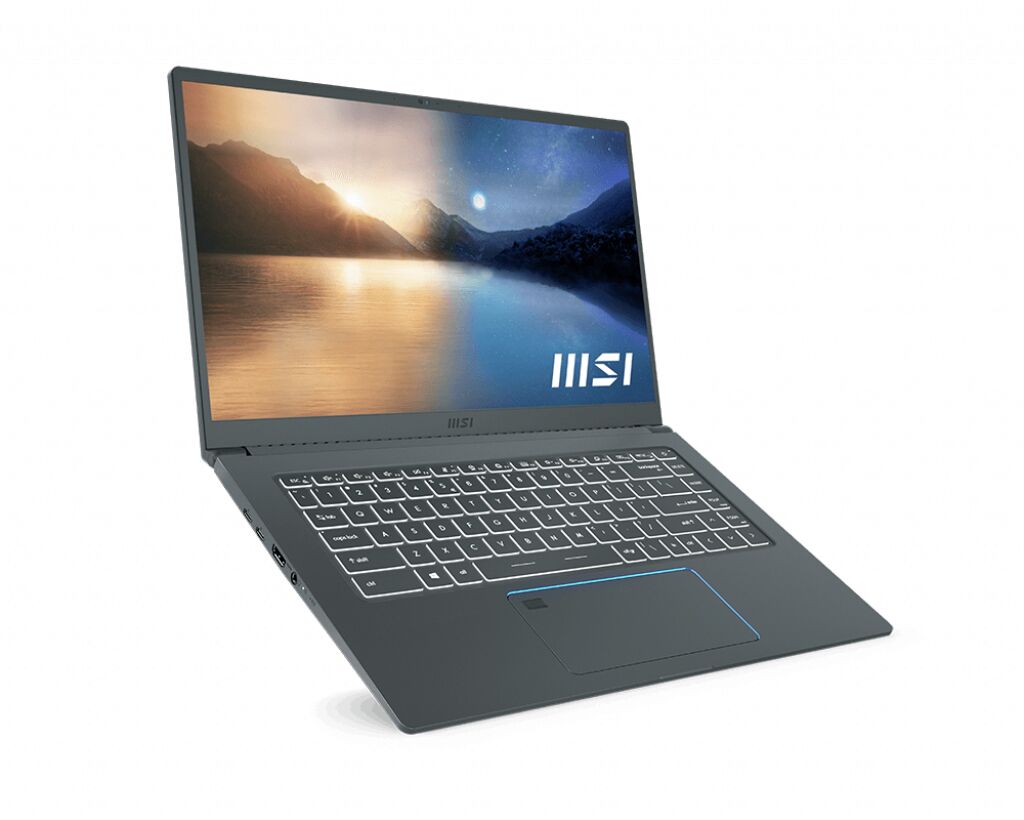
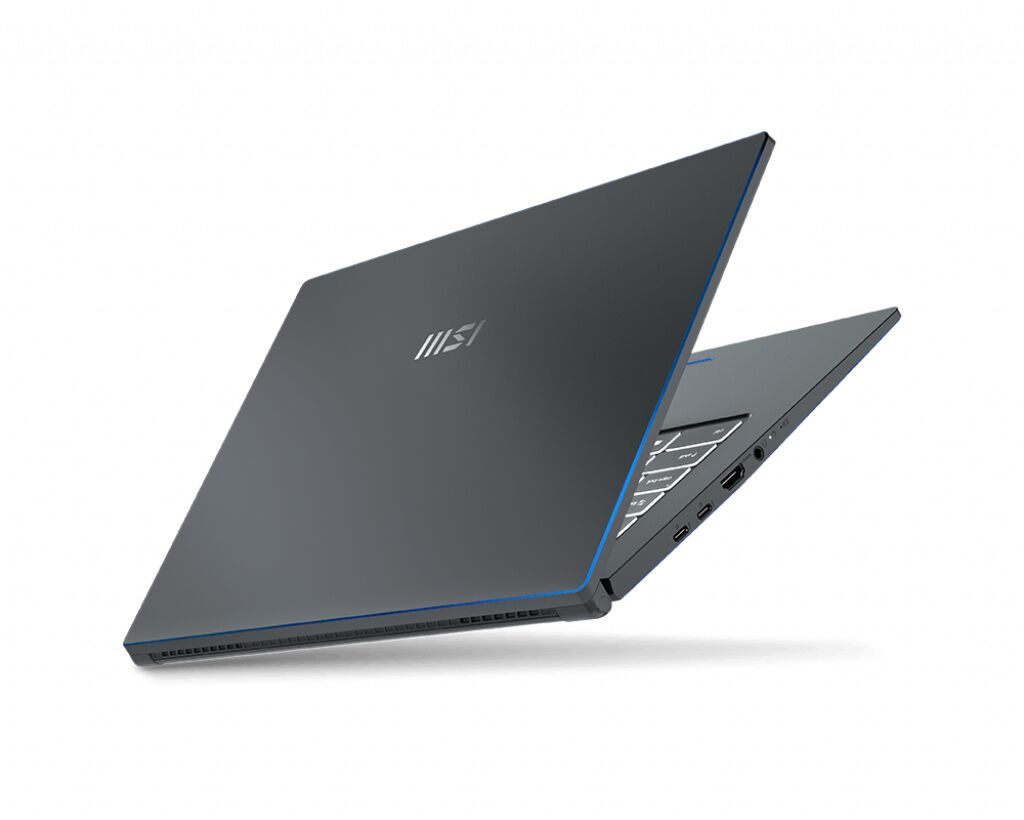
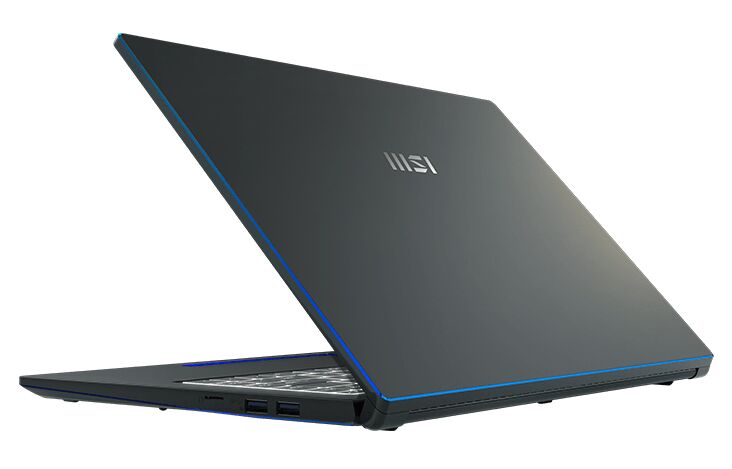

The MSI Prestige 15 A11SCS-031ES laptop features DDR4-SDRAM memory with 2 SO-DIMM slots for upgrade capability. The system supports maximum memory capacity of 64 GB, with compatible modules operating at 3200 MHz frequency. Upgrade specifications indicate DDR4 SO-DIMM form factor compatibility. RAM specifications allow for memory expansion through the dual SO-DIMM slots on the MSI Prestige 15 series model.
Memory Upgrade Specifications
| Specification | Value |
|---|---|
| Memory slots | 2x SO-DIMM |
| Form factor | SO-DIMM |
| Memory type | DDR4-SDRAM |
| Frequency | 3200 MHz |
| Maximum RAM | 64 GB |
| Voltage | 1.2V |
| Number of pins | 260-pin |
| Interface | PC4 |
| PC Speed Rating | PC4-3200 (PC4-25600) |
| Bandwidth | 25.6 GB/s |
| Laptop Release date | 06 January 2021 |
Additional Notes
- The MSI Prestige 15 A11SCS-031ES supports dual-channel memory architecture through its 2 SO-DIMM configuration, enabling up to twice the theoretical bandwidth compared to single-channel operation when both slots are populated with matched modules.
- DDR4-3200 operates at a higher frequency than JEDEC baseline specifications, which may require XMP profile support in the system BIOS to achieve rated speeds instead of defaulting to 2933 MHz or 2666 MHz.
- The 64 GB maximum capacity requires 32 GB density modules, which utilize double-sided layouts with 16 or 32 chip configurations that can generate more heat than lower-capacity single-sided modules in thermally constrained ultraportable chassis.
- SO-DIMM installations in this form factor typically require complete bottom panel removal rather than dedicated service doors, potentially affecting warranty seals depending on regional service policies.
- Memory bandwidth scales linearly with occupied channels, meaning a single 32 GB module will deliver half the throughput of two 16 GB modules despite identical total capacity.
- DDR4-3200 modules drawing 1.2V standard voltage maintain compatibility with Intel 11th generation mobile processors without requiring elevated voltage settings that could trigger thermal throttling.
- The 260-pin SO-DIMM interface prevents installation of standard 288-pin desktop DIMM modules, while physical keying differences also block DDR3 or DDR5 insertion attempts.
- Mixing modules with different latency timings will force the memory controller to operate all installed modules at the slowest common denominator specification.
- Upgrading from factory-installed configurations may void certain region-specific warranty coverage unless performed by authorized service centers, particularly in markets with strict consumer protection regulations.
- The 11th generation Intel platform natively supports DDR4-3200 without overclocking, eliminating stability concerns associated with running memory above official processor specifications.