MSI Prestige 15 A11SCS-033XES RAM upgrade specifications
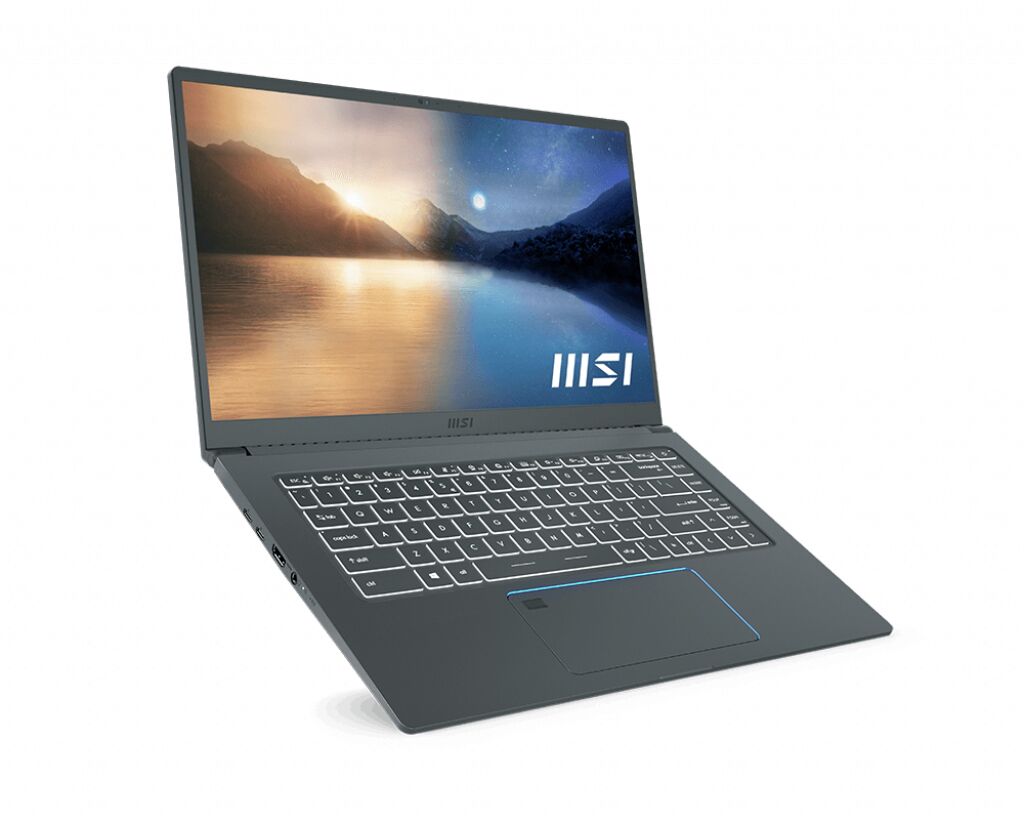
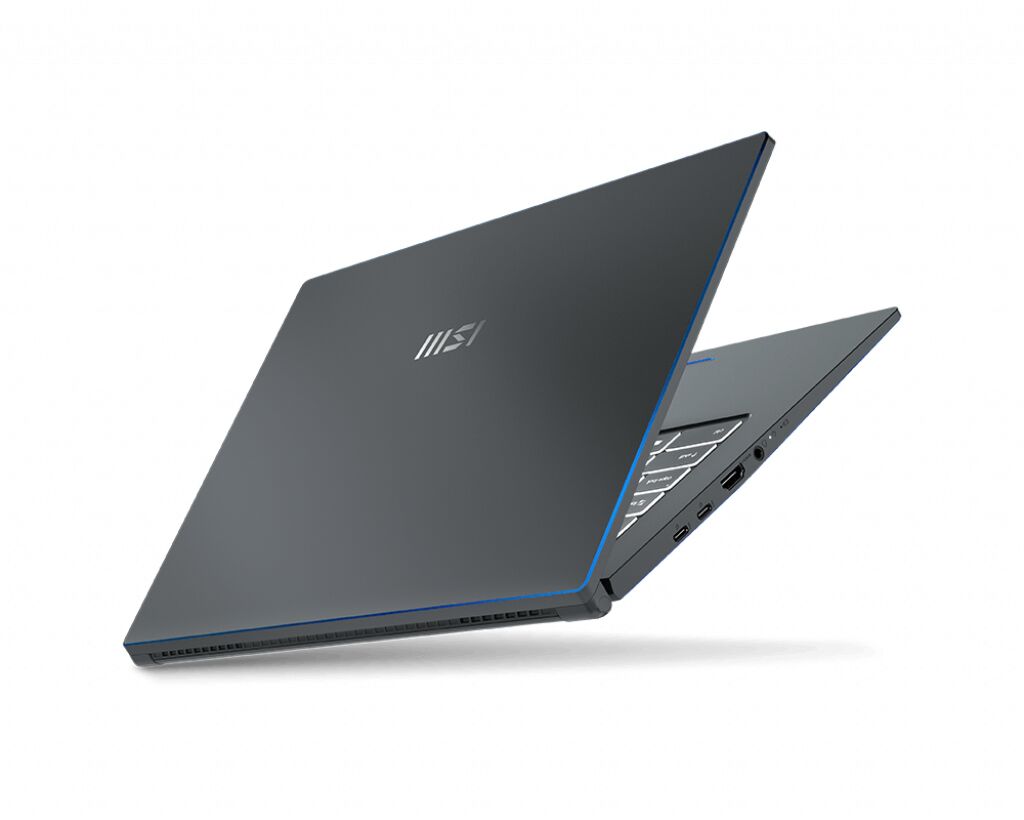
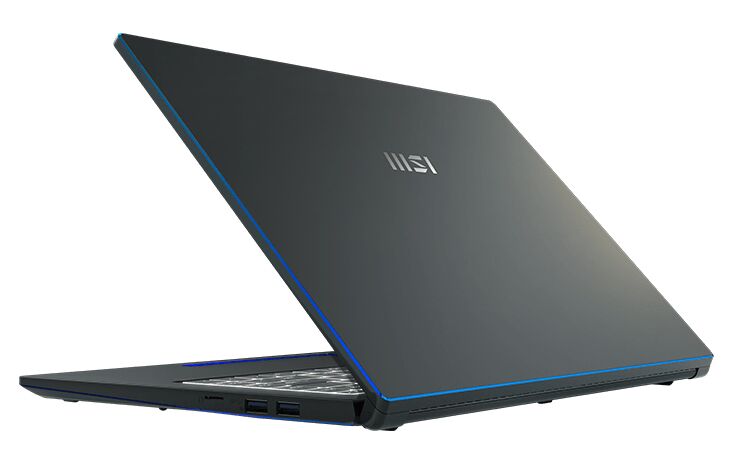
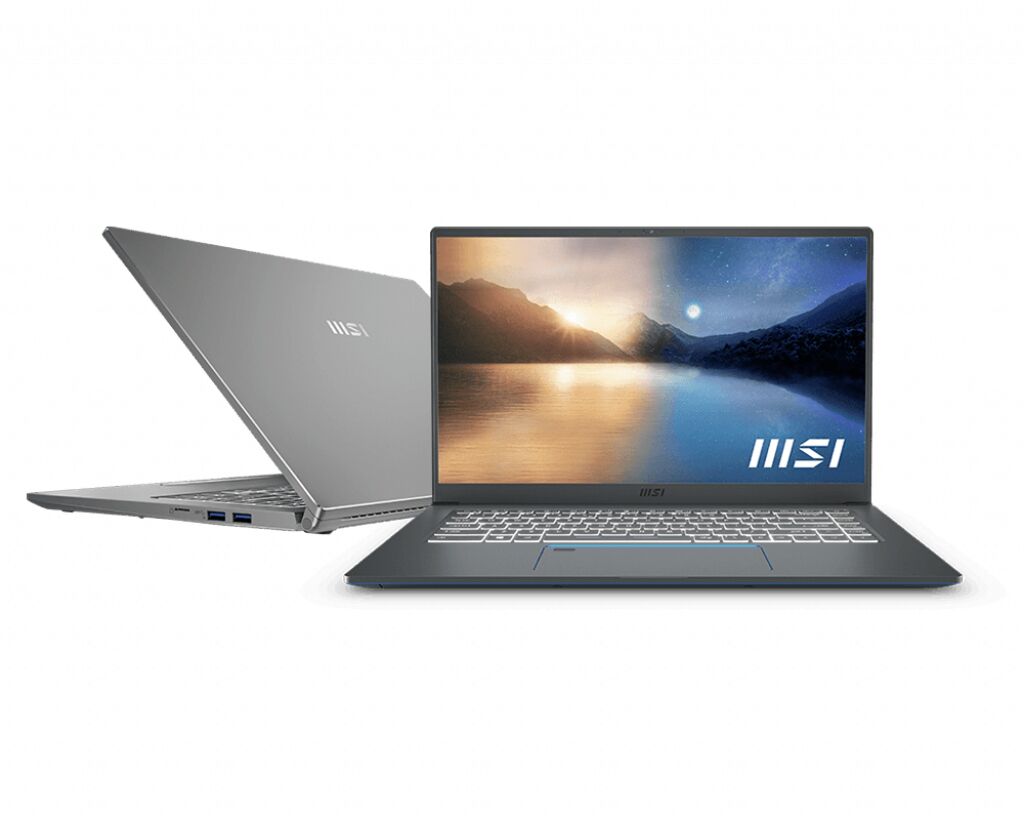
The MSI Prestige 15 A11SCS-033XES laptop features DDR4-SDRAM memory with two SO-DIMM upgrade slots. Maximum supported RAM capacity reaches 64 GB through compatible memory modules operating at 3200 MHz frequency. Memory specifications indicate SO-DIMM form factor compatibility for this specific laptop model. RAM upgrade options allow expansion from original factory configuration to maximum supported capacity through standard memory slot installation.
Memory Upgrade Specifications
| Specification | Value |
|---|---|
| Memory slots | 2x SO-DIMM |
| Form factor | SO-DIMM |
| Memory type | DDR4-SDRAM |
| Frequency | 3200 MHz |
| Maximum RAM | 64 GB |
| Voltage | 1.2V |
| Number of pins | 260-pin |
| Interface | PC4 |
| PC Speed Rating | PC4-3200 (PC4-25600) |
| Bandwidth | 25.6 GB/s |
| Laptop Release date | 28 August 2020 |
Additional Notes
- The dual SO-DIMM configuration allows simultaneous population of both slots, enabling dual-channel operation that doubles memory bandwidth compared to single-channel configurations.
- The 64 GB maximum capacity indicates chipset support for 32 GB density modules per slot, requiring detection of whether the installed controller supports JEDEC standards beyond 16 GB per module.
- DDR4-3200 operation requires compatible modules and may revert to lower JEDEC fallback speeds if timing parameters cannot be negotiated during POST initialization.
- SO-DIMM physical constraints demand verification of module height clearance beneath keyboard assemblies, particularly for modules with taller heat spreaders or non-standard PCB designs.
- Mixing memory modules with different densities across slots can force the controller into asymmetric or flex mode, potentially degrading performance versus matched pair configurations.
- Access to SO-DIMM slots on the MSI Prestige 15 A11SCS-033XES typically requires bottom panel removal, which may involve breaking security seals that affect manufacturer warranty coverage depending on regional service policies.
- SPD programming on installed modules determines whether XMP profiles exist, though manufacturer specifications suggest JEDEC standard timing operation rather than overclocked profiles.
- The 3200 MHz specification represents the maximum supported frequency, meaning modules rated above this speed will downclock to match platform limitations.
- Thermal management within compact laptop chassis may throttle sustained memory-intensive workloads differently than desktop platforms operating identical modules at equivalent frequencies.
- ECC memory modules are incompatible with this configuration despite physical SO-DIMM compatibility, as consumer mobile platforms lack error correction controller logic.