MSI Prestige 15 A11SCX-003XIT RAM upgrade specifications
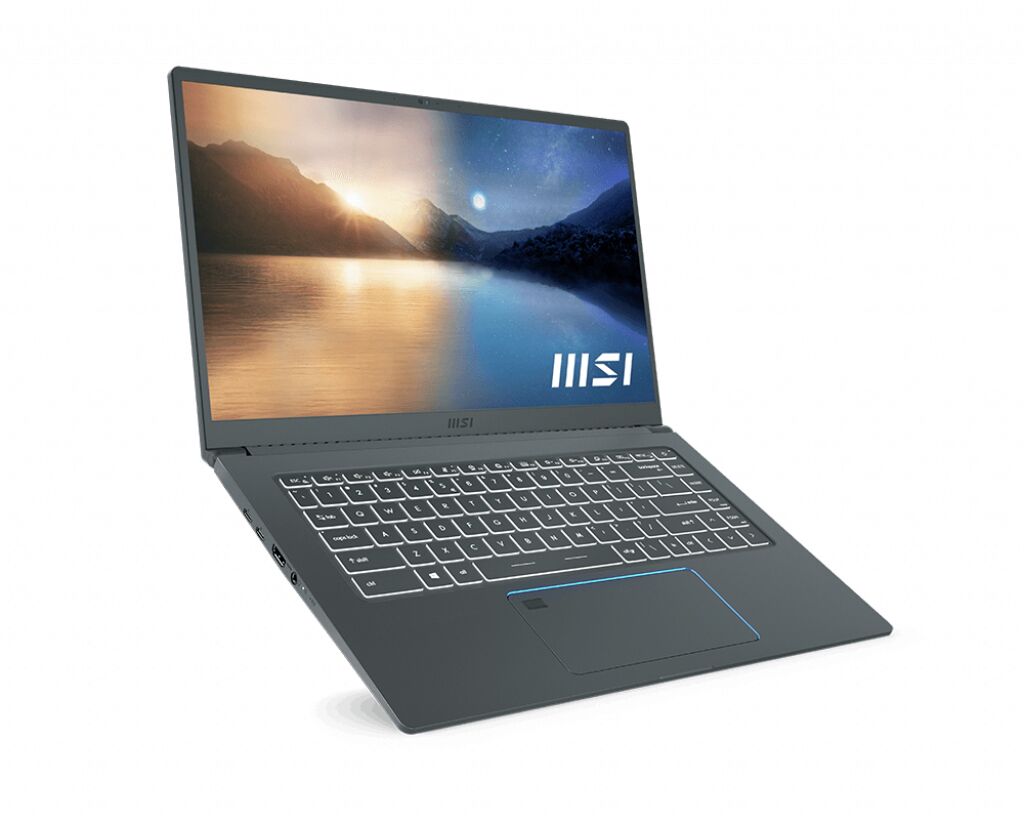
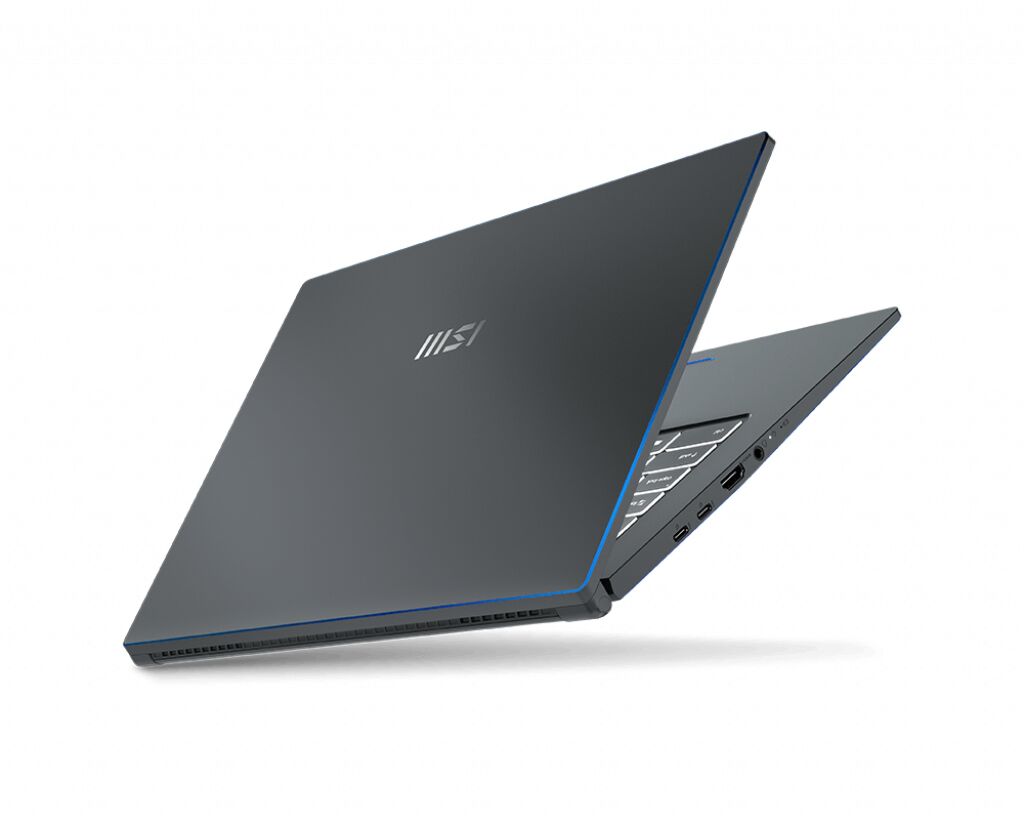
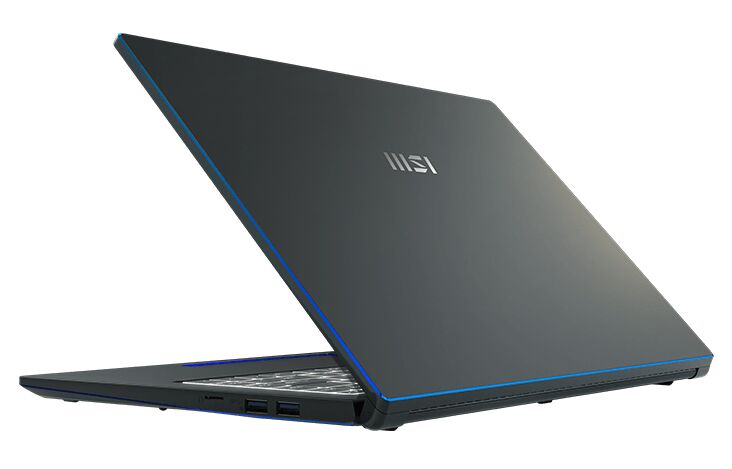

MSI Prestige 15 A11SCX-003XIT laptop memory upgrade specifications include two SO-DIMM slots supporting DDR4-SDRAM modules at 2666 MHz frequency. Maximum RAM capacity reaches 64 GB total. Compatible memory upgrades utilize SO-DIMM form factor components. Current specifications and upgrade pathways allow for memory expansion to meet performance demands. Specifications define supported memory configurations for the MSI Prestige 15 series model.
Memory Upgrade Specifications
| Specification | Value |
|---|---|
| Memory slots | 2x SO-DIMM |
| Form factor | SO-DIMM |
| Memory type | DDR4-SDRAM |
| Frequency | 2666 MHz |
| Maximum RAM | 64 GB |
| Voltage | 1.2V |
| Number of pins | 260-pin |
| Interface | PC4 |
| PC Speed Rating | PC4-2666 (PC4-21328) |
| Bandwidth | 21.3 GB/s |
| Laptop Release date | 23 September 2020 |
Additional Notes
- The MSI Prestige 15 A11SCX-003XIT contains 2 SO-DIMM slots, requiring both modules to be removed simultaneously during any upgrade operation, unlike systems with 3+ slots that permit staged replacement.
- DDR4-2666 memory operates at a frequency ceiling lower than contemporary DDR4-3200 standards, meaning replacement modules rated above 2666 MHz will downclock to 2666 MHz due to JEDEC specification compliance in the controller, resulting in no performance gain from higher-speed purchases.
- The 64 GB maximum capacity threshold implies single-rank SO-DIMM architecture; purchasing 32 GB modules will saturate both slots, leaving no expansion headroom for future memory scaling.
- SO-DIMM form factor requires low-profile or standard-height modules only; full-size UDIMM components are physically incompatible with the slot configuration.
- DDR4-SDRAM compatibility restricts upgrades to DDR4 silicon exclusively; DDR5 modules cannot be retrofitted regardless of future availability or cost reduction, as the memory controller and slot design are DDR4-specific.
- Pairing mismatched module capacities (e.g., 16 GB + 32 GB) will reduce system bandwidth through asymmetric dual-channel operation, forcing the controller to run both slots at the speed of the slower module while sacrificing performance symmetry.
- Factory-installed modules typically operate at JEDEC 2666 MHz timings; third-party DDR4 modules certified for 2666 MHz with identical latency profiles minimize compatibility risk and support warranty preservation.