MSI Prestige 15 A11SCX-016 RAM upgrade specifications
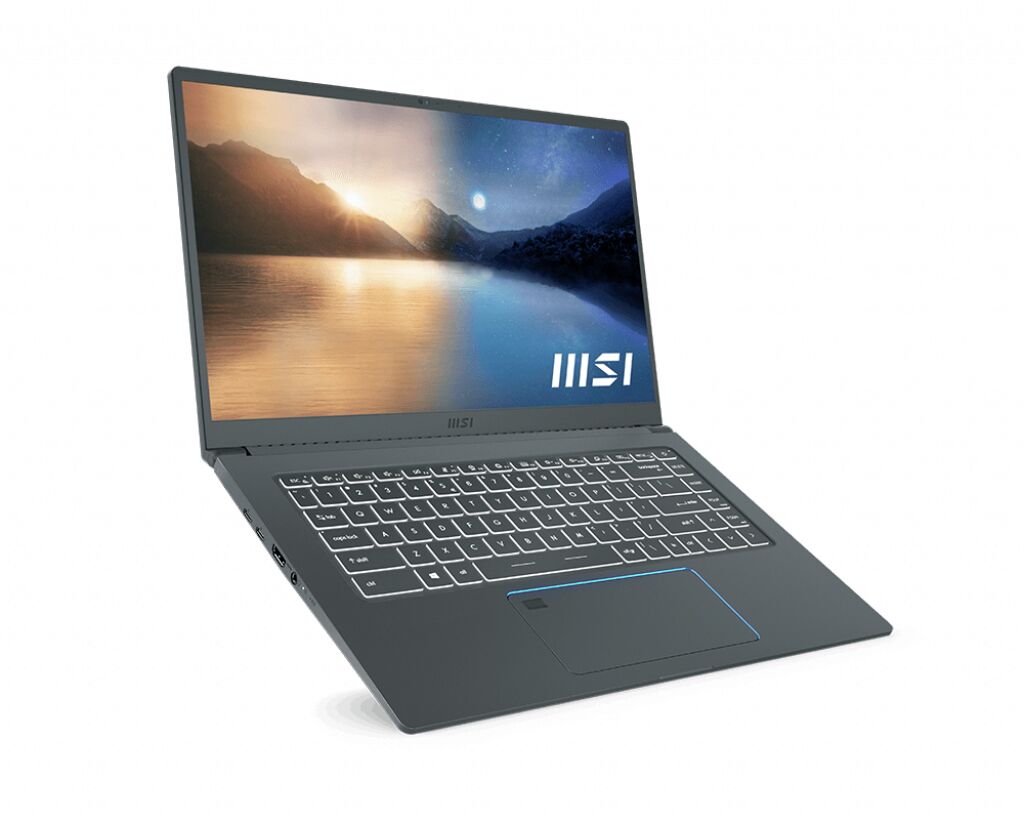
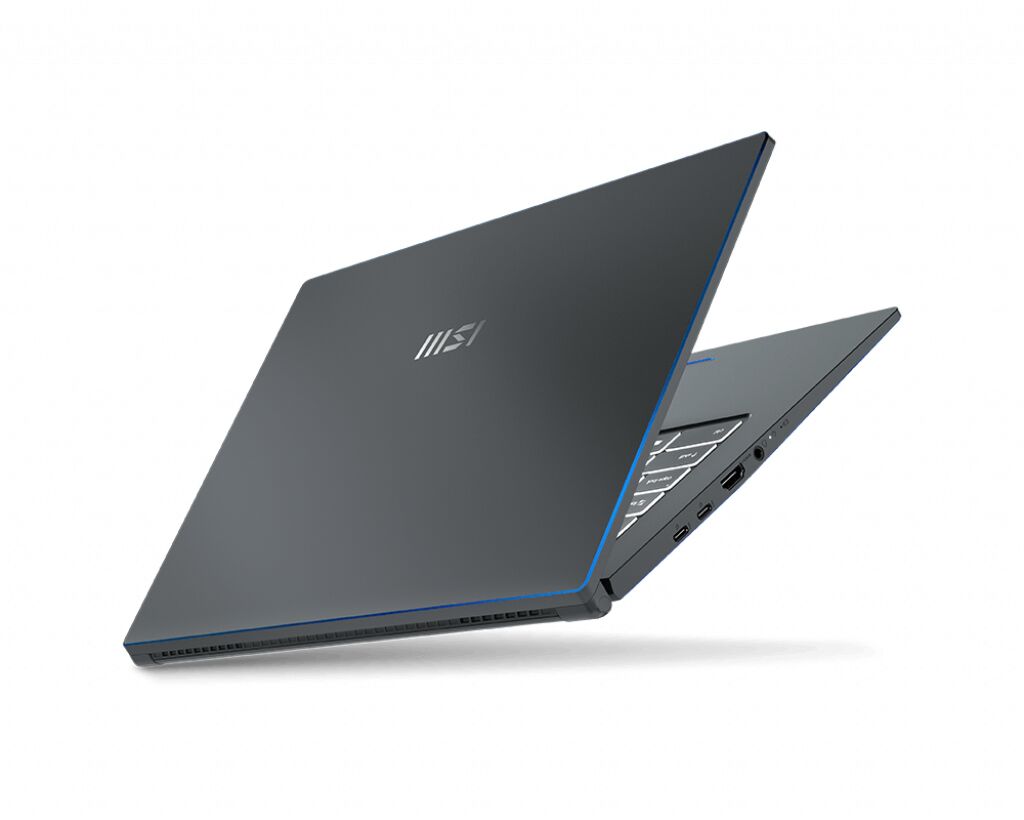
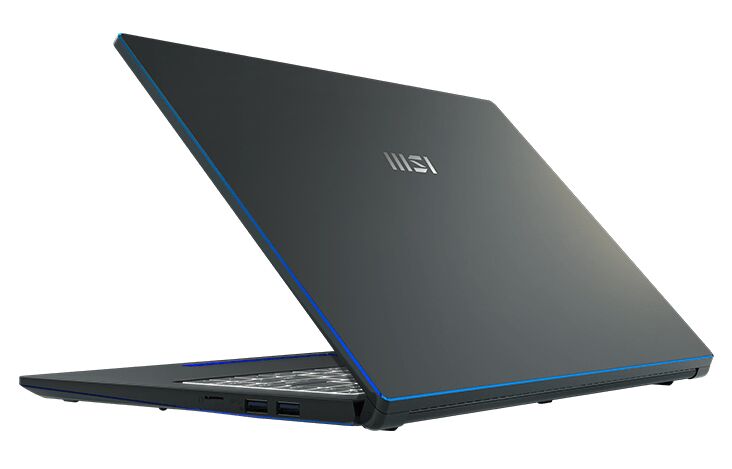
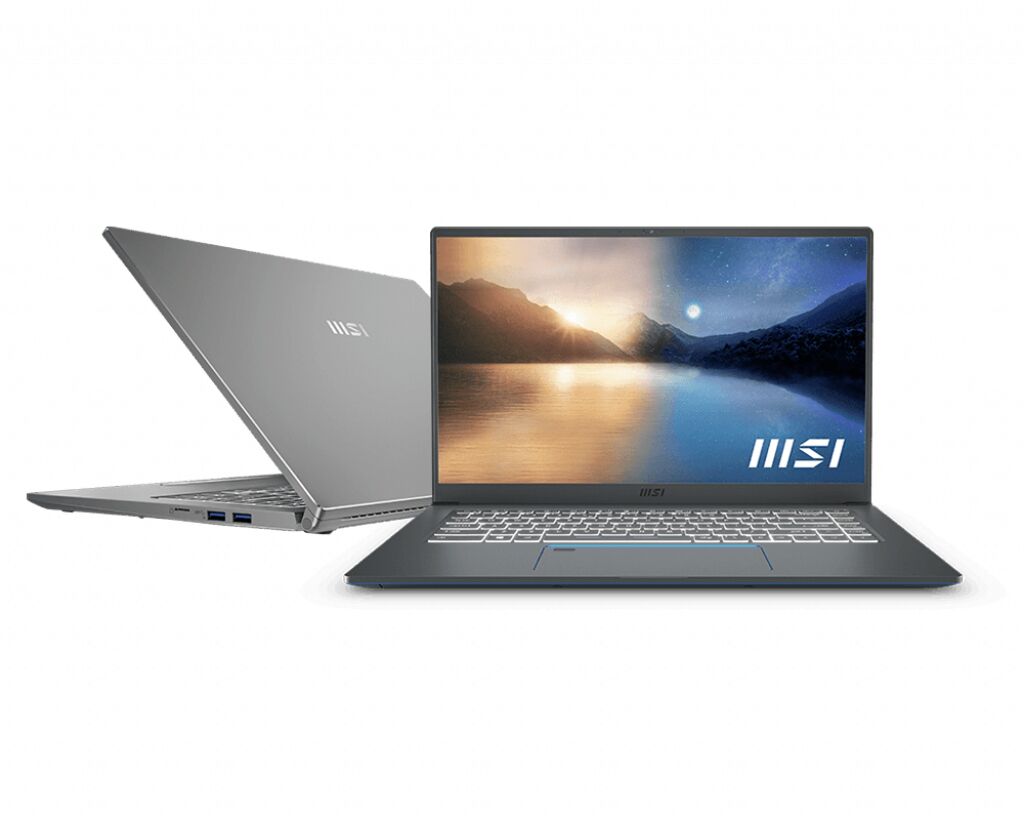
The MSI Prestige 15 A11SCX-016 laptop features DDR4-SDRAM memory specifications with 2x SO-DIMM slots supporting maximum RAM capacity of 64 GB. Memory upgrade components operate at 3200 MHz frequency. Compatible memory modules utilize SO-DIMM form factor. Specifications indicate maximum upgrade capacity reaches 64 GB total when both memory slots contain compatible DDR4 modules at supported specifications.
Memory Upgrade Specifications
| Specification | Value |
|---|---|
| Memory slots | 2x SO-DIMM |
| Form factor | SO-DIMM |
| Memory type | DDR4-SDRAM |
| Frequency | 3200 MHz |
| Maximum RAM | 64 GB |
| Voltage | 1.2V |
| Number of pins | 260-pin |
| Interface | PC4 |
| PC Speed Rating | PC4-3200 (PC4-25600) |
| Bandwidth | 25.6 GB/s |
| Laptop Release date | 30 November 2020 |
Additional Notes
- The 3200 MHz frequency operates at JEDEC standard speeds for DDR4, ensuring broad compatibility with modules from multiple manufacturers without requiring XMP profile configuration.
- SO-DIMM slots in this MSI Prestige 15 A11SCX-016 require modules with 260-pin configuration and keying notches positioned specifically for DDR4, preventing installation of incompatible DDR3L or DDR5 SO-DIMMs.
- Reaching the 64 GB ceiling requires installation of two 32 GB modules, which represents the highest density currently available in SO-DIMM DDR4 form factor.
- Dual-channel architecture necessitates matched pairs of identical capacity modules to achieve optimal bandwidth, as mismatched configurations force single-channel operation on the unmatched portion.
- Access to memory slots typically requires complete bottom panel removal, as most 15-inch chassis designs position SO-DIMM sockets beneath the motherboard rather than under dedicated service doors.
- Operating voltage for DDR4-3200 modules defaults to 1.2V, though some aftermarket modules specify 1.35V requirements that may cause stability issues or prevent POST completion.
- The 11th generation Intel platform supports native DDR4-3200 operation without overclocking, eliminating potential instability associated with frequency scaling beyond official specifications.
- Upgrading from factory-installed capacity involves removing existing modules entirely when moving to higher densities, as the 2-slot limitation prevents incremental expansion beyond the initial pair.
- CAS latency specifications affect real-world responsiveness, with CL22 modules providing lower absolute latency than CL26 alternatives despite both operating at identical 3200 MHz frequency.
- Single-rank versus dual-rank module architecture influences memory interleaving efficiency, though compatibility remains universal across both configurations within the 64 GB maximum threshold.