MSI Prestige P65 8SE-273RU Creator RAM upgrade specifications
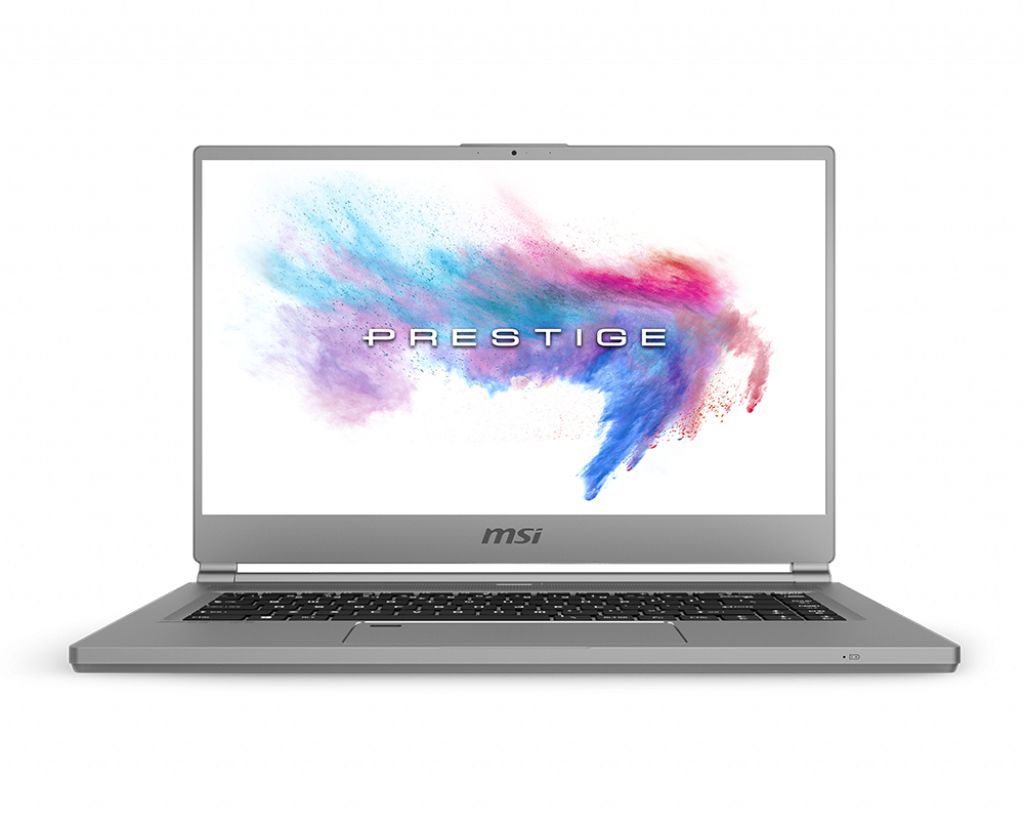
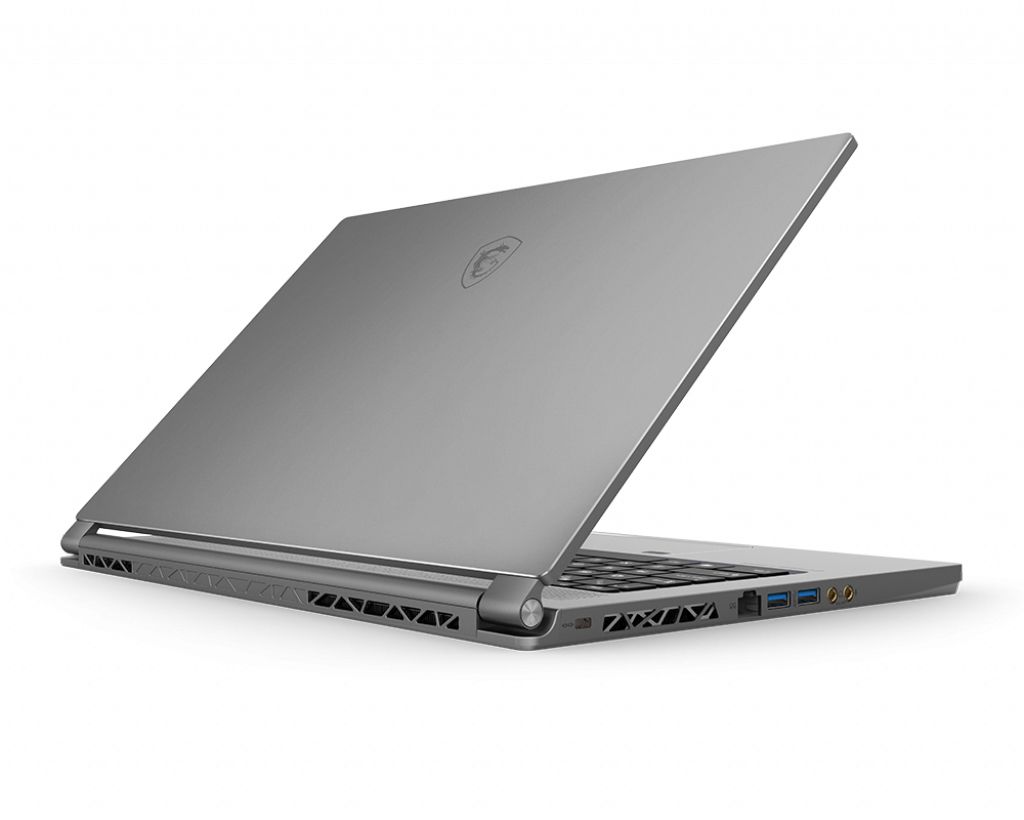
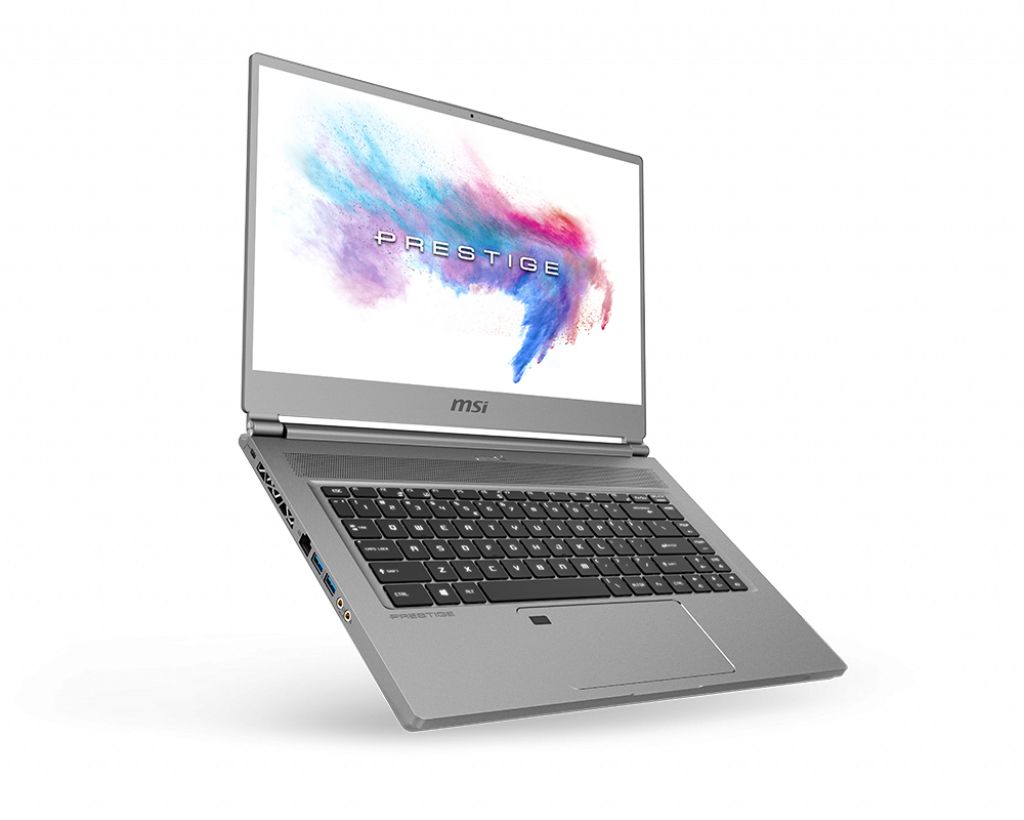
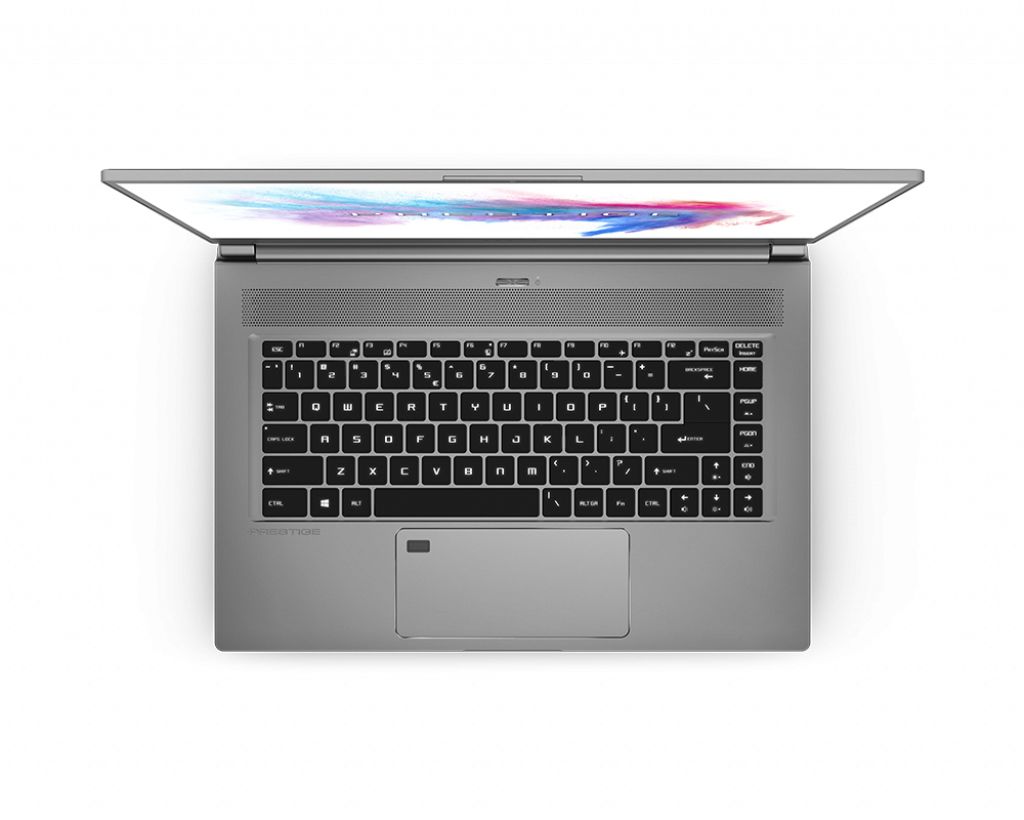

The MSI Prestige P65 8SE-273RU Creator laptop features DDR4-SDRAM memory with two SO-DIMM slots supporting maximum RAM capacity of 32 GB. Compatible memory modules operate at 2666 MHz frequency. The upgrade specifications indicate this mobile workstation accepts standard SO-DIMM form factor memory modules for enhanced performance and multitasking capabilities.
Memory Upgrade Specifications
| Specification | Value |
|---|---|
| Memory slots | 2x SO-DIMM |
| Form factor | SO-DIMM |
| Memory type | DDR4-SDRAM |
| Frequency | 2666 MHz |
| Maximum RAM | 32 GB |
| Voltage | 1.2V |
| Number of pins | 260-pin |
| Interface | PC4 |
| PC Speed Rating | PC4-2666 (PC4-21328) |
| Bandwidth | 21.3 GB/s |
| Laptop Release date | 15 July 2019 |
Additional Notes
- The MSI Prestige P65 8SE-273RU Creator supports memory upgrades only through SO-DIMM modules, excluding standard desktop DIMM installations regardless of electrical compatibility.
- The 32 GB ceiling indicates an Intel 8th generation mobile platform limitation, preventing recognition of higher capacity modules even when physically installable.
- Dual-channel bandwidth peaks at 42.6 GB/s when both slots operate in symmetric configuration with identical module specifications.
- Installing modules faster than 2666 MHz results in automatic downclocking to specification limits, eliminating performance gains from premium-speed purchases.
- Single-slot population reduces theoretical memory bandwidth by 50 percent compared to matched-pair configurations, affecting integrated graphics performance and memory-intensive workloads.
- Mixed-capacity configurations maintain dual-channel operation only within the lower module's capacity range, with excess capacity reverting to single-channel mode.
- DDR4 voltage tolerance at 1.2V nominal prevents compatibility with DDR3L or DDR3 technologies despite physical slot similarities in legacy systems.
- Non-ECC unbuffered modules represent the only compatible architecture, as registered or load-reduced variants encounter chipset-level incompatibility.
- Thermal constraints within compact chassis designs may throttle sustained memory operations under combined CPU and GPU thermal loads.
- Warranty preservation requires avoiding physical slot damage during installation, as SO-DIMM retention clips exhibit lower tolerance for repeated insertion cycles than desktop mechanisms.