MSI Prestige P65 8SE-241ES Creator RAM upgrade specifications
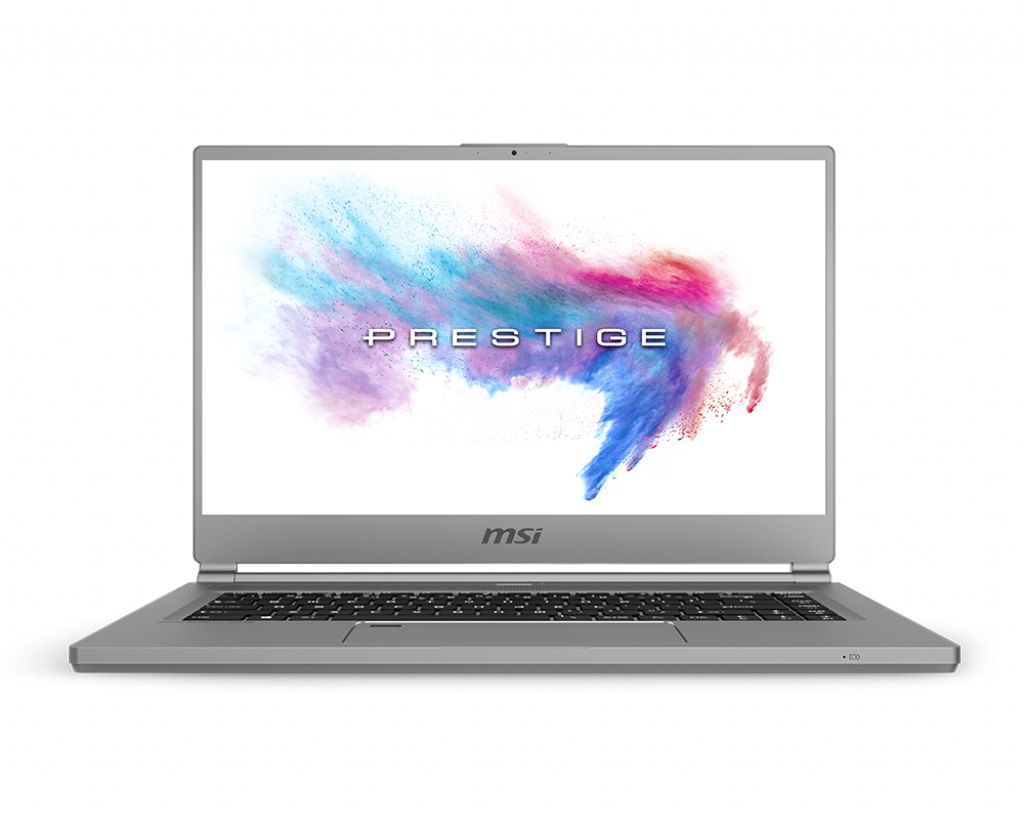
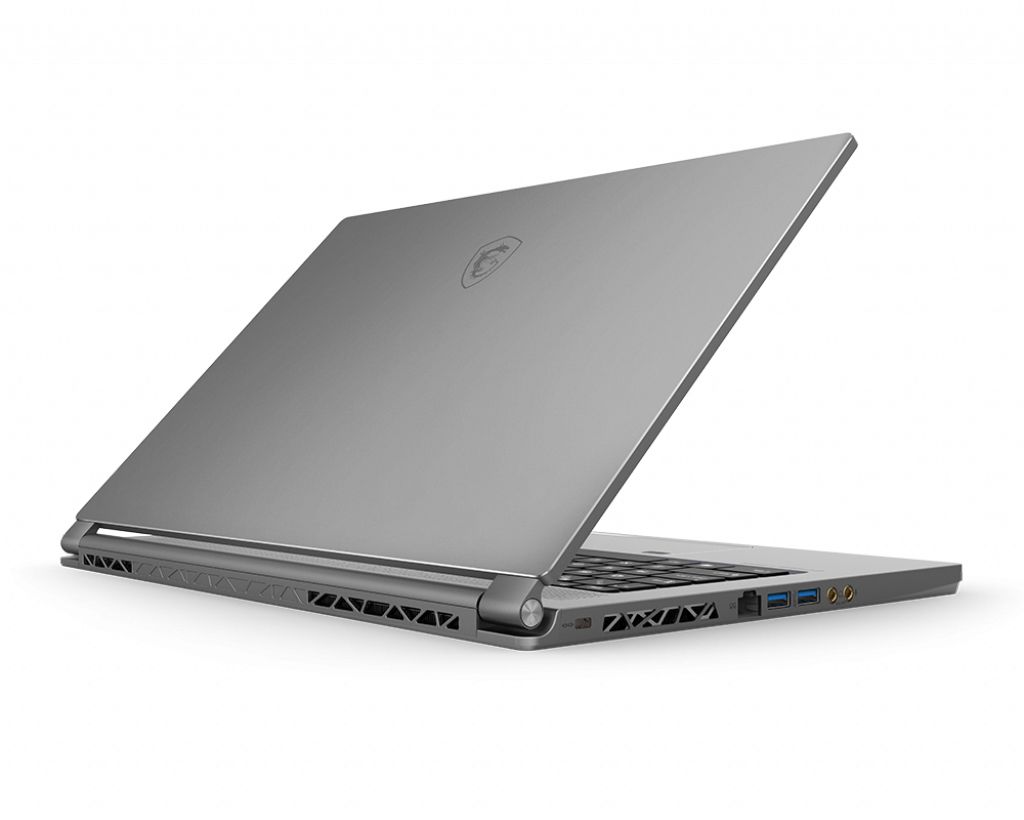
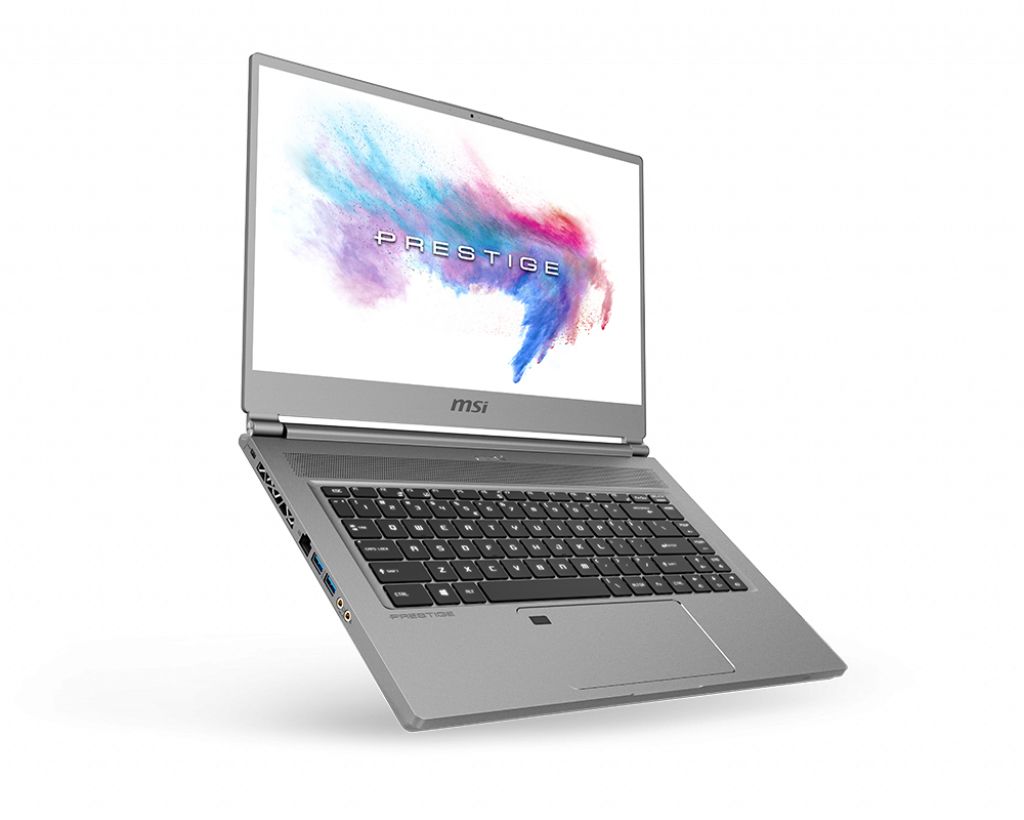
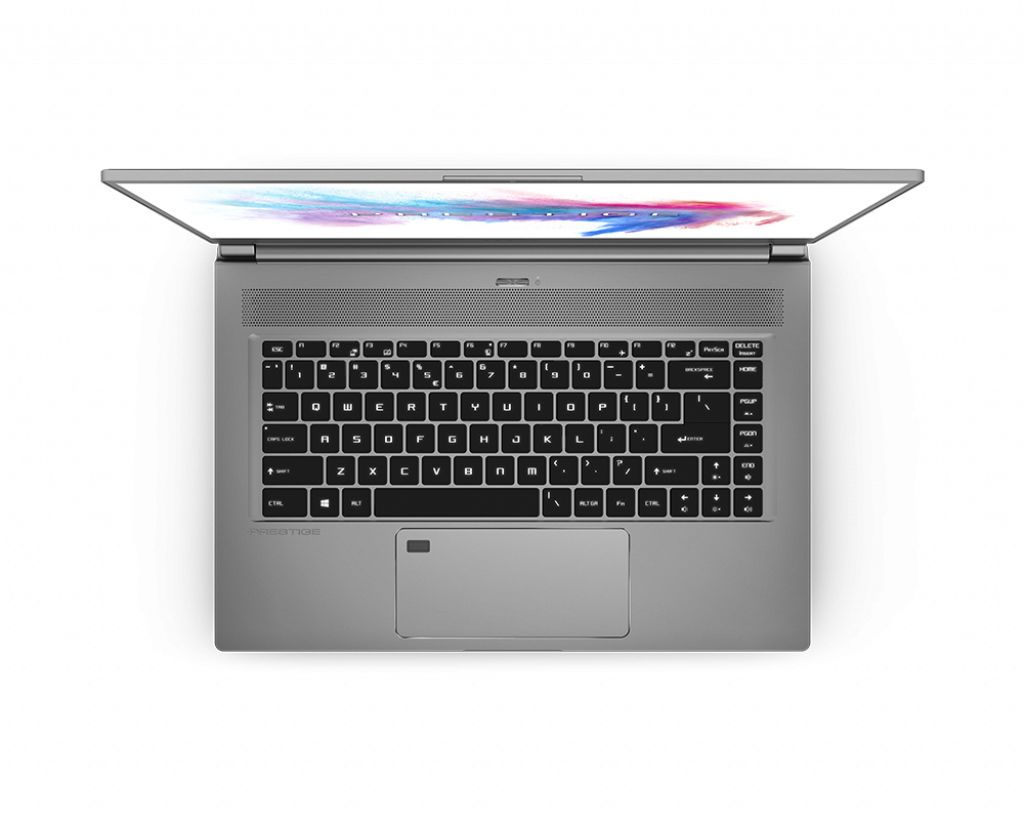
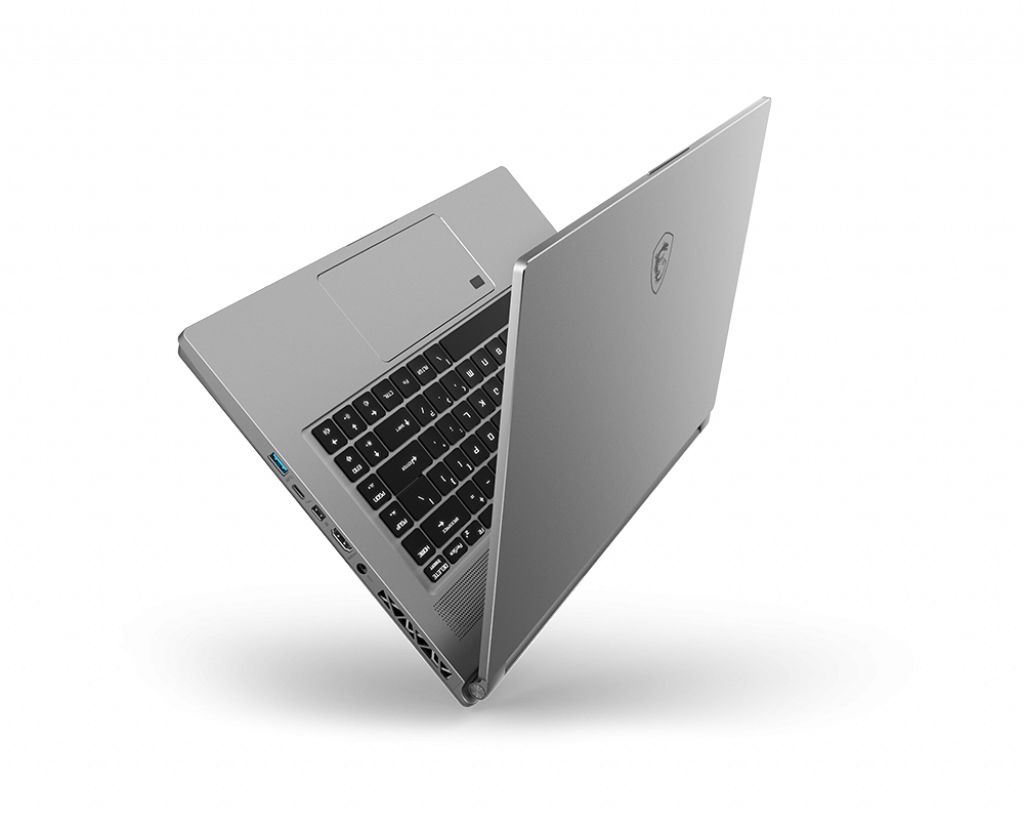
The MSI Prestige P series P65 8SE-241ES Creator laptop features DDR4-SDRAM memory upgrade specifications. The device contains 2x SO-DIMM slots supporting maximum RAM capacity of 32 GB. Compatible memory modules operate at 2666 MHz frequency. SO-DIMM form factor specifications define the physical upgrade parameters for the MSI Prestige P65 8SE-241ES Creator model. Memory upgrade procedures require compatible DDR4-SDRAM components meeting the established specifications and slot configuration guidelines.
Memory Upgrade Specifications
| Specification | Value |
|---|---|
| Memory slots | 2x SO-DIMM |
| Form factor | SO-DIMM |
| Memory type | DDR4-SDRAM |
| Frequency | 2666 MHz |
| Maximum RAM | 32 GB |
| Voltage | 1.2V |
| Number of pins | 260-pin |
| Interface | PC4 |
| PC Speed Rating | PC4-2666 (PC4-21328) |
| Bandwidth | 21.3 GB/s |
| Laptop Release date | 15 February 2019 |
Additional Notes
- The MSI Prestige P65 8SE-241ES Creator supports only 2 memory slots, making maximum capacity expansion to 32 GB dependent on replacing both existing modules rather than adding a single supplementary stick.
- DDR4-2666 MHz frequency represents a bandwidth ceiling of 21.3 GB/s per channel, which may create a throughput limitation when paired with 8th-generation processors capable of handling higher-speed memory standards.
- SO-DIMM form factor compatibility restricts upgrade sources to laptop-grade memory modules; standard desktop DDR4 DIMMs cannot be physically installed in this chassis.
- Warranty implications typically require sourcing SO-DIMM modules from OEM-approved vendor lists or matched pairs from the original equipment manufacturer to maintain coverage during memory replacement procedures.
- Single-channel memory configuration (if only 1 module is currently installed) would operate at reduced bandwidth efficiency; upgrading to 2 matched modules enables dual-channel performance, potentially increasing memory throughput by up to 40 percent for bandwidth-sensitive applications.
- Memory speed negotiation occurs at the lowest supported frequency when mixing DDR4 modules of different speeds; installing faster aftermarket memory will throttle down to 2666 MHz compatibility baseline.