MSI Prestige P65 8RF-449CA Creator RAM upgrade specifications


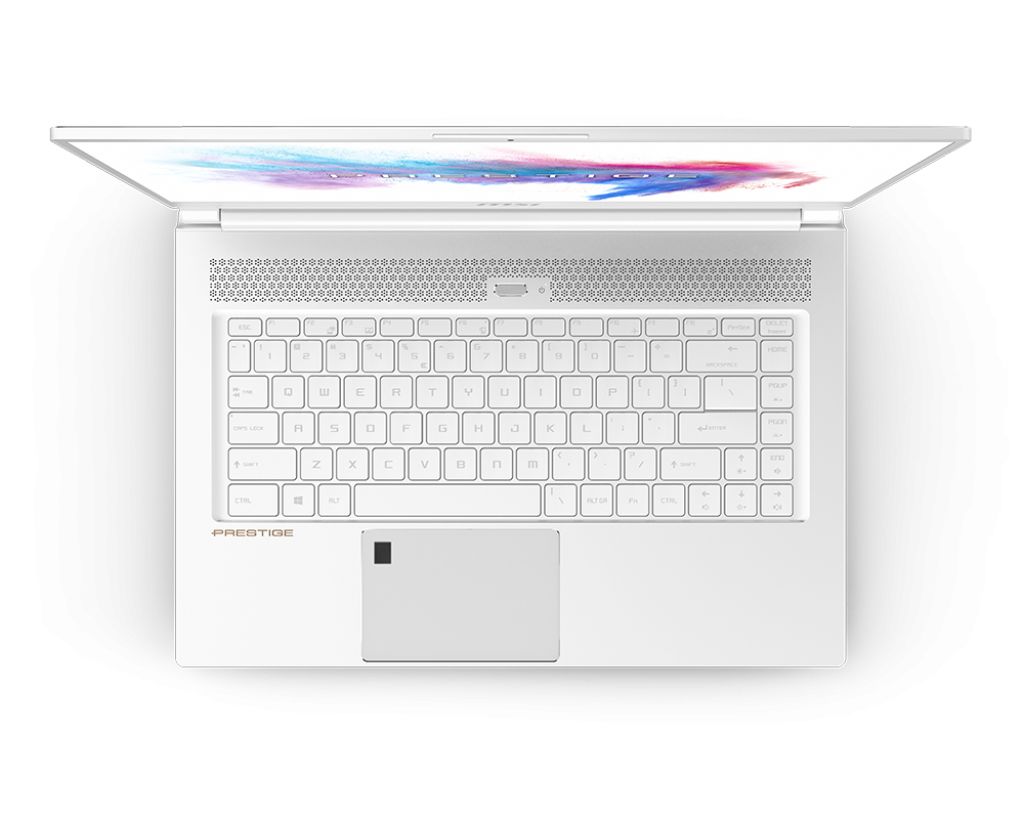
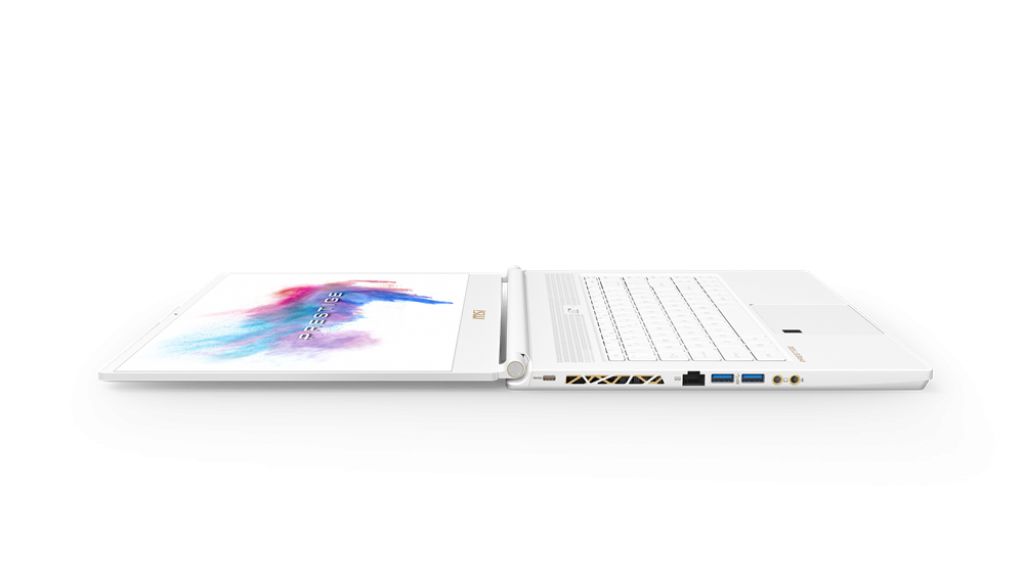

MSI Prestige P series model P65 8RF-449CA Creator laptop supports DDR4-SDRAM memory upgrades. The mobile workstation features 2x SO-DIMM slots for memory expansion, compatible with DDR4-2666 MHz specifications. Maximum RAM capacity reaches 32 GB total. Upgrade specifications detail SO-DIMM form factor modules for enhanced multitasking and professional applications performance.
Memory Upgrade Specifications
| Specification | Value |
|---|---|
| Memory slots | 2x SO-DIMM |
| Form factor | SO-DIMM |
| Memory type | DDR4-SDRAM |
| Frequency | 2666 MHz |
| Maximum RAM | 32 GB |
| Voltage | 1.2V |
| Number of pins | 260-pin |
| Interface | PC4 |
| PC Speed Rating | PC4-2666 (PC4-21328) |
| Bandwidth | 21.3 GB/s |
| Laptop Release date | 16 October 2019 |
Additional Notes
- The MSI Prestige P65 8RF-449CA Creator operates with DDR4 memory at 2666 MHz, which represents a generation-old speed standard relative to contemporary laptop platforms and may introduce latency overhead compared to 3200 MHz alternatives in systems designed for higher-frequency support.
- Two SO-DIMM slots impose a dual-module architecture; scaling to the 32 GB maximum requires 16 GB modules per slot with no single-slot upgrade path beyond 16 GB total capacity.
- DDR4-2666 memory installed in this system cannot be upgraded to faster DDR4 variants (3000 MHz or higher) without verification of BIOS support, as the memory controller may reject modules exceeding the factory-validated frequency specification.
- Replacement or expansion requires exact SO-DIMM form factor compliance; desktop DDR4 modules (DIMM) and newer DDR5 memory types are mechanially and electrically incompatible with the slot configuration.
- Memory upgrades perform warranty-safe operations through SO-DIMM removal; however, concurrent replacement of both modules circumvents access to factory diagnostics that validate individual slot integrity before full capacity deployment.
- The 2-slot constraint eliminates redundancy strategies; failure of either module renders half the available capacity inaccessible and necessitates complete module replacement rather than isolated repair.