MSI Prestige P65 8RF-448CA Creator RAM upgrade specifications
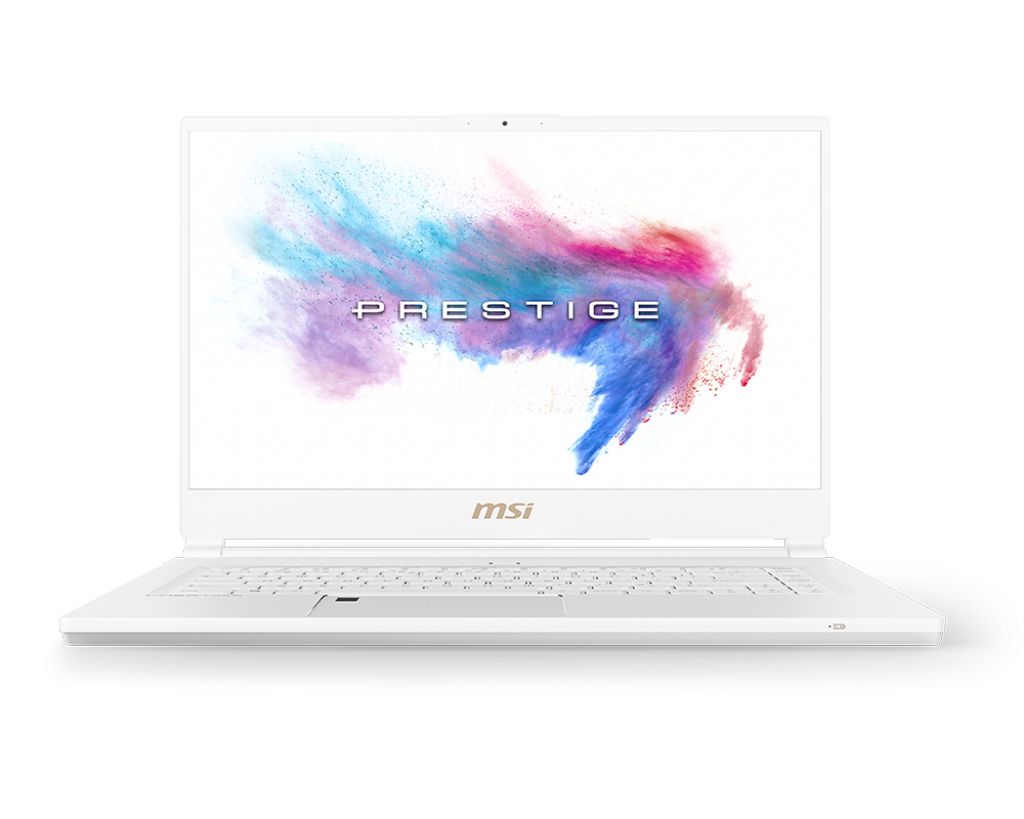
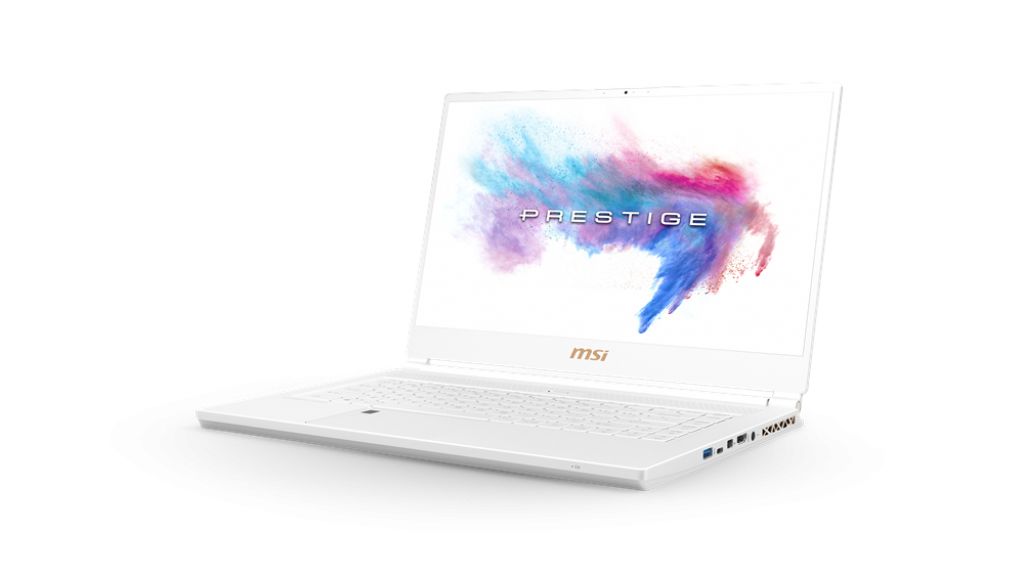
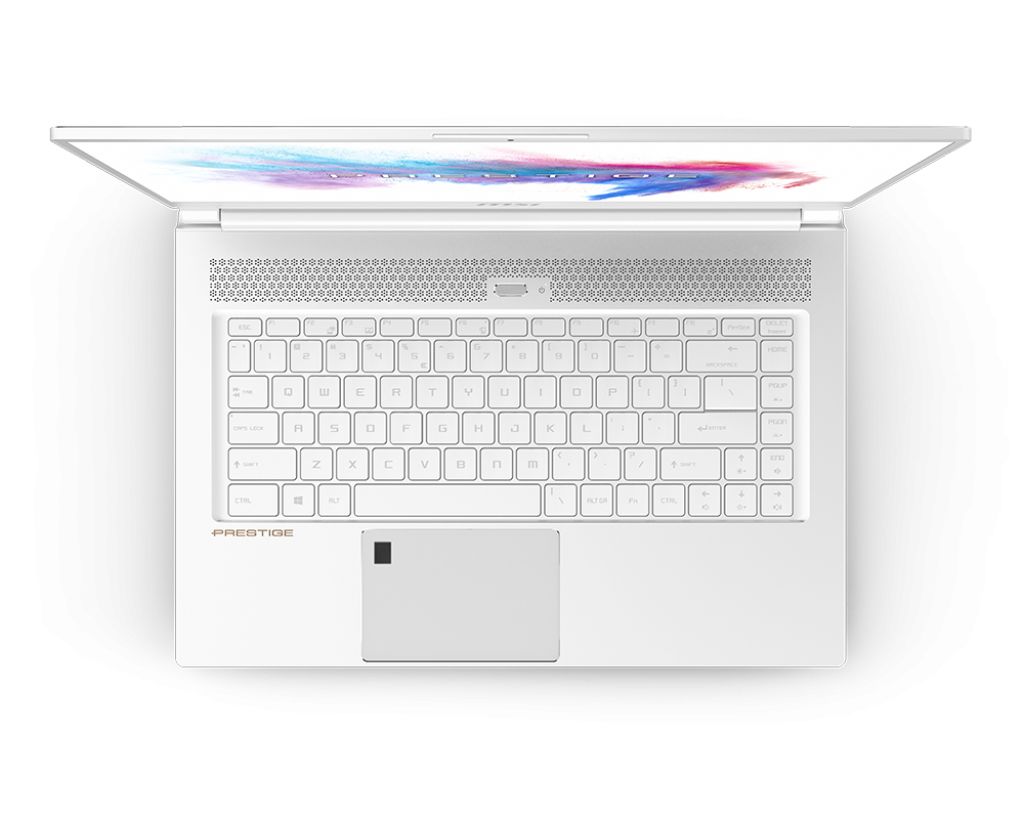
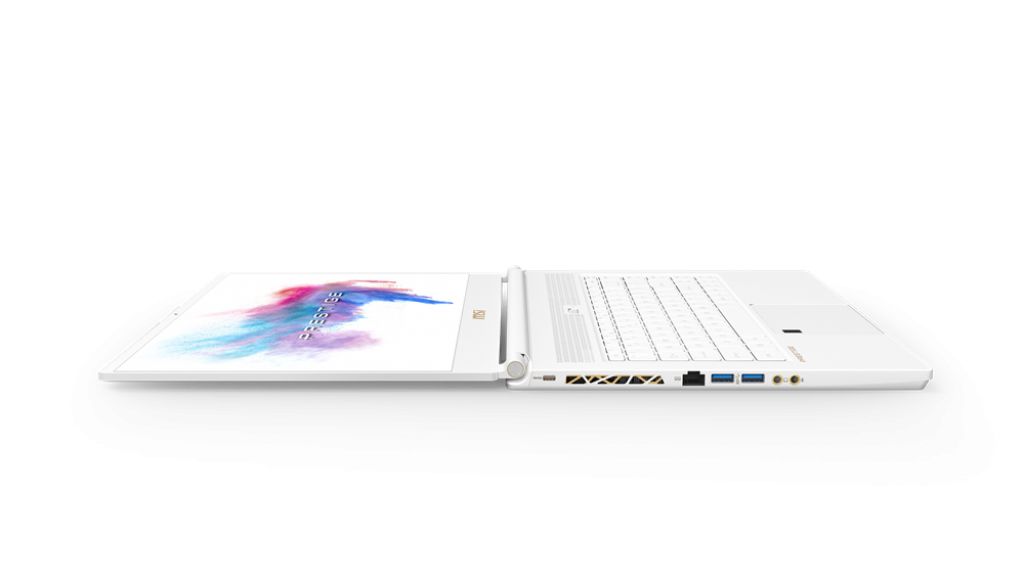
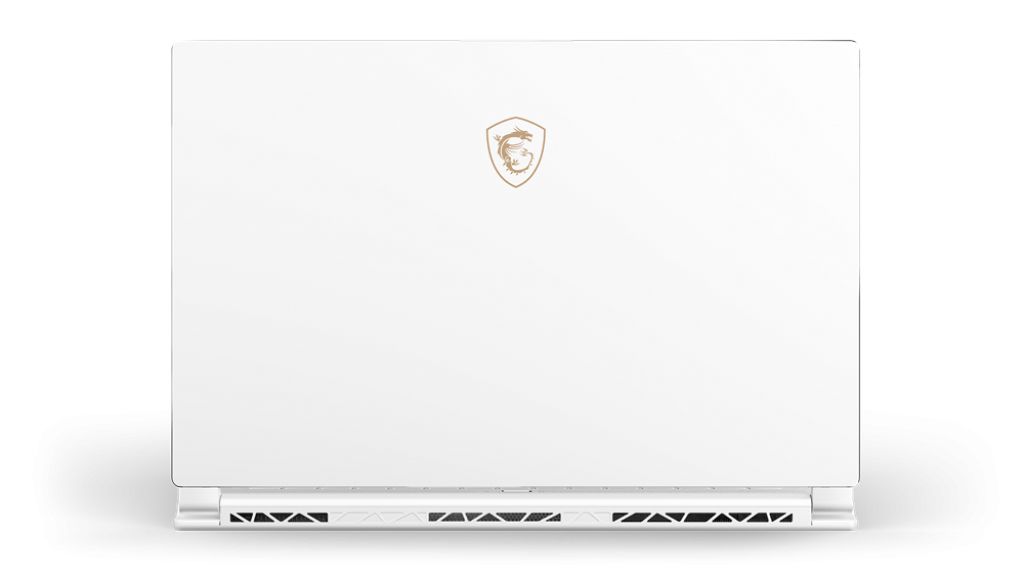
The MSI Prestige P series P65 8RF-448CA Creator laptop features two SO-DIMM memory slots supporting DDR4-SDRAM upgrades. Maximum RAM capacity reaches 32 GB total, with compatible memory operating at 2666 MHz frequency. RAM upgrade specifications indicate SO-DIMM form factor modules for this particular model. The upgrade slots allow for memory expansion compatible with DDR4-SDRAM technology, providing flexible memory configuration options for the Creator series configuration.
Memory Upgrade Specifications
| Specification | Value |
|---|---|
| Memory slots | 2x SO-DIMM |
| Form factor | SO-DIMM |
| Memory type | DDR4-SDRAM |
| Frequency | 2666 MHz |
| Maximum RAM | 32 GB |
| Voltage | 1.2V |
| Number of pins | 260-pin |
| Interface | PC4 |
| PC Speed Rating | PC4-2666 (PC4-21328) |
| Bandwidth | 21.3 GB/s |
| Laptop Release date | 16 October 2019 |
Additional Notes
- The MSI Prestige P65 8RF-448CA Creator supports DDR4-SDRAM exclusively, which restricts upgrade options to modules manufactured between approximately 2014 and 2021 before DDR5 became standard, limiting availability of new stock.
- Dual SO-DIMM slots create a ceiling at 32 GB total capacity, meaning maximum configuration requires 2x16 GB modules; single-slot upgrades to 16 GB leave one slot empty, preventing future expansion without removing the original module.
- The 2666 MHz specification indicates this platform lacks support for higher-speed DDR4 variants (3200 MHz, 3600 MHz); installing faster modules will throttle them to 2666 MHz, eliminating any performance advantage and potentially wasting capital on premium memory.
- SO-DIMM form factor constrains the upgrade path to laptop-grade memory only; desktop DDR4 UDIMM modules are physically incompatible and cannot be force-fitted, making supplier selection critical to avoid purchasing errors.
- The 2-slot architecture creates a bandwidth limitation where memory bandwidth saturates relative to newer multi-channel configurations; this bottleneck becomes pronounced when the discrete GPU and CPU compete for memory access during concurrent creative workloads.
- Factory configuration likely shipped with 8 GB or 16 GB in asymmetrical slots; upgrading to matched-pair identical modules improves stability and prevents performance degradation from single-channel operation.
- DDR4-2666 SO-DIMMs are increasingly difficult to source as manufacturers transition production to DDR5, potentially requiring purchases from secondary markets or specialty retailers with higher price premiums than contemporary alternatives.