MSI Prestige P65 8RF-474IT CREATOR RAM upgrade specifications
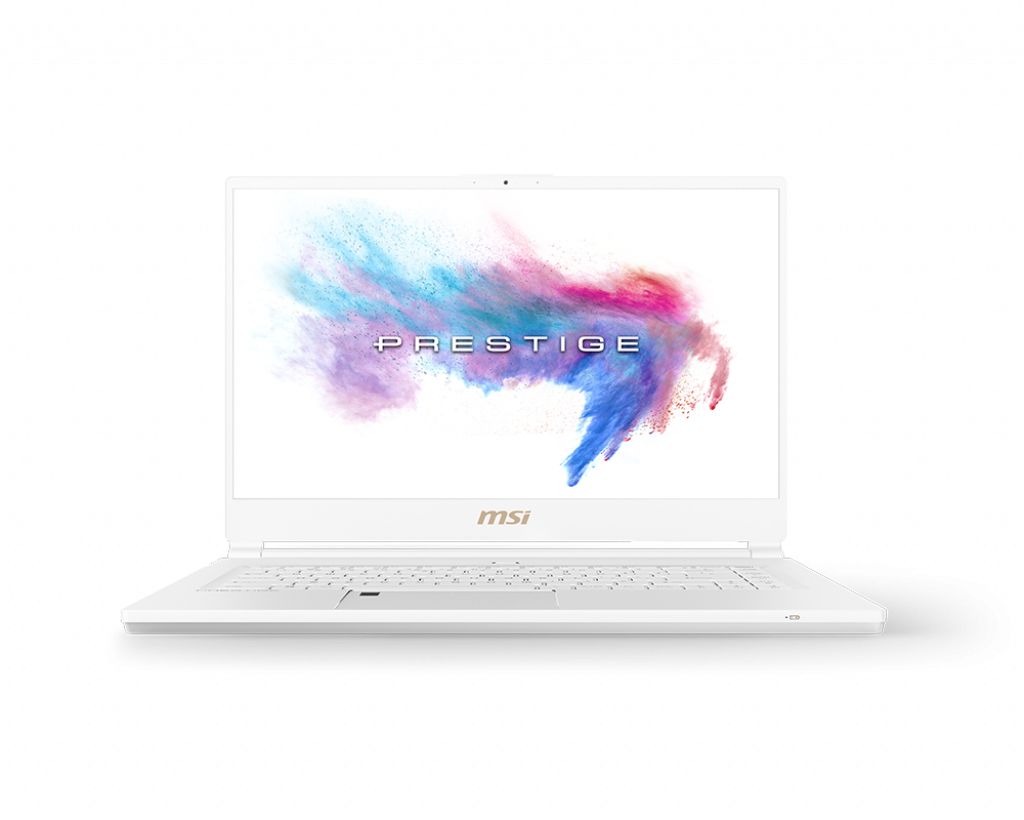
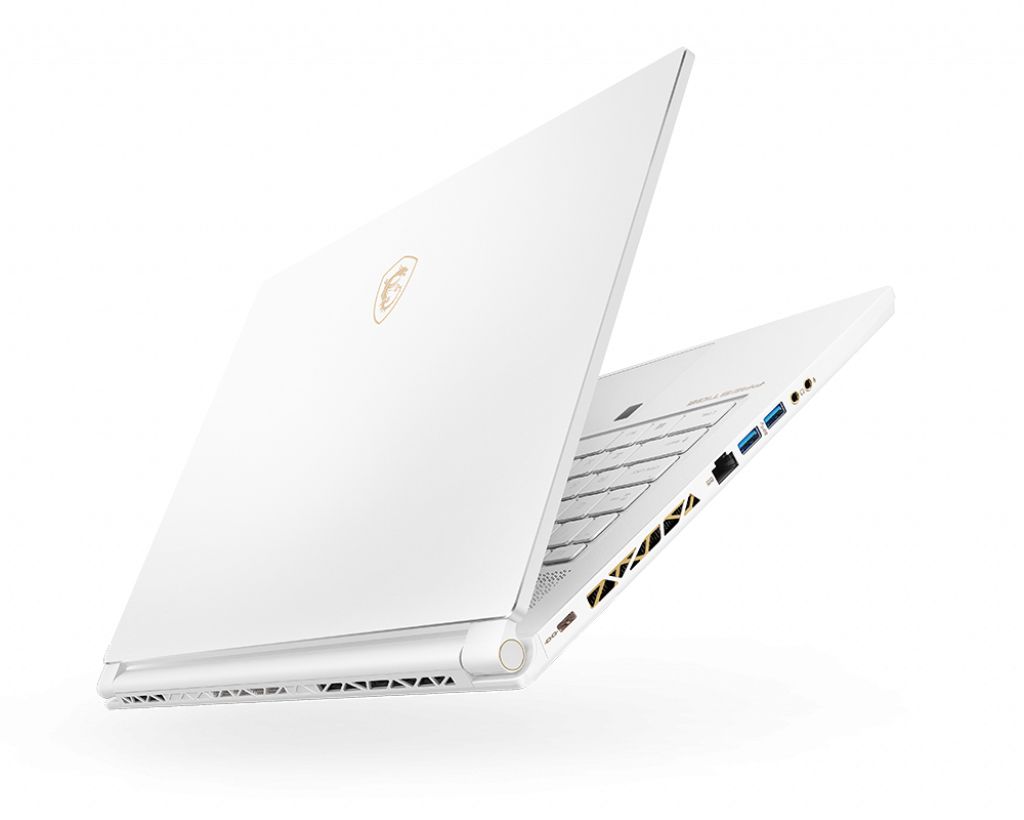
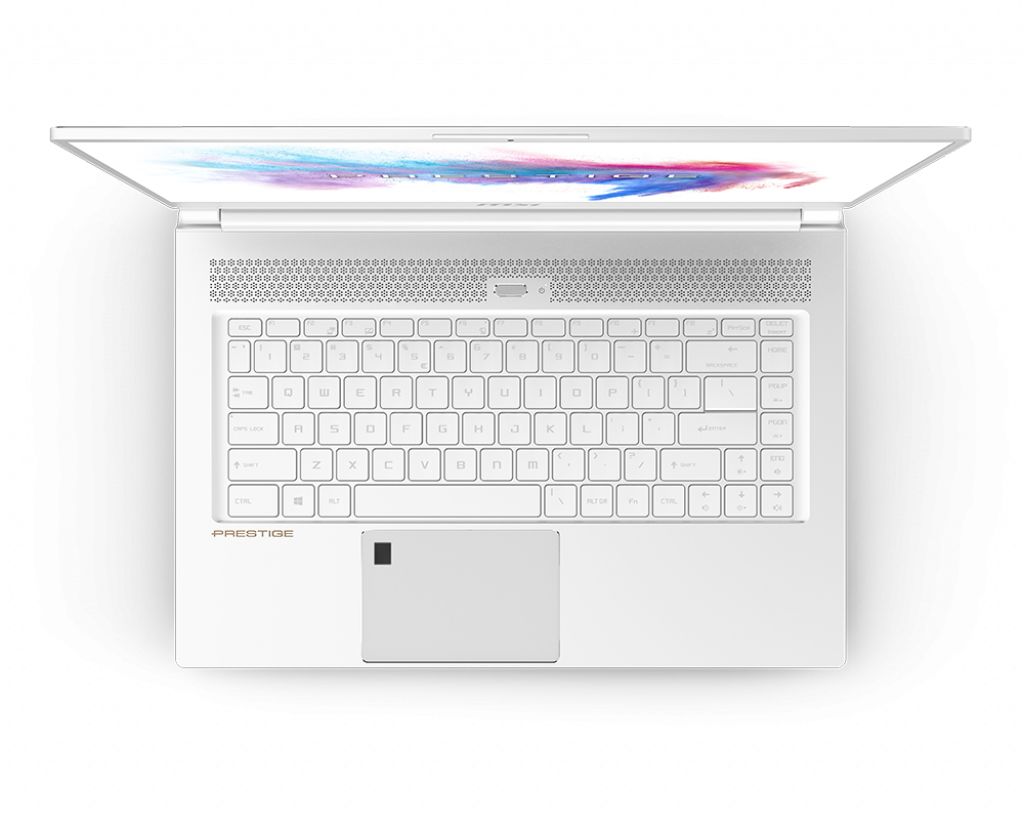


MSI Prestige P65 8RF-474IT CREATOR laptop RAM upgrade specifications include DDR4-SDRAM memory with 2x SO-DIMM slots supporting maximum capacity of 32 GB. Compatible memory modules operate at 2666 MHz frequency using SO-DIMM form factor. Upgrade specifications enable expansion of system memory from factory configuration to maximum supported capacity through standard SO-DIMM compatible modules.
Memory Upgrade Specifications
| Specification | Value |
|---|---|
| Memory slots | 2x SO-DIMM |
| Form factor | SO-DIMM |
| Memory type | DDR4-SDRAM |
| Frequency | 2666 MHz |
| Maximum RAM | 32 GB |
| Voltage | 1.2V |
| Number of pins | 260-pin |
| Interface | PC4 |
| PC Speed Rating | PC4-2666 (PC4-21328) |
| Bandwidth | 21.3 GB/s |
| Laptop Release date | 29 March 2019 |
Additional Notes
- The MSI Prestige P65 8RF-474IT CREATOR operates at DDR4-2666 MHz, which represents a memory speed constraint relative to 8th-generation Intel Coffee Lake processors that support DDR4-2400 as JEDEC standard and DDR4-2666 as XMP profile. Running at native 2666 MHz without overclocking requires BIOS-level XMP/DOCP enablement, and disabling this profile reverts performance to 2400 MHz with corresponding latency penalties on single-threaded workloads.
- The 2-slot SO-DIMM configuration creates a permanent ceiling of 32 GB total capacity. Upgrading beyond this threshold requires complete module replacement rather than additive expansion. No upgrade path exists that preserves existing memory modules and increases total capacity simultaneously.
- SO-DIMM form factor restricts upgrade options to laptop-specific memory modules only. Desktop DDR4-UDIMM modules are mechanically and electrically incompatible. Third-party compatibility verification is mandatory before purchase, as marginal DDR4 module variants (certain Samsung, SK Hynix, or Micron dies) exhibit compatibility issues with specific BIOS versions despite meeting DDR4-2666 specifications.
- Dual-slot configuration without bank interleaving or quad-channel support means memory bandwidth scales linearly with module density rather than exponentially. The 64-bit data path (per channel) limits peak throughput to approximately 21 GB/s at 2666 MHz, creating potential bandwidth saturation during concurrent GPU acceleration tasks in content creation workflows.
- Asymmetric DIMM population (one 16 GB module + one 8 GB module) disables dual-channel operation for the second 8 GB of capacity, forcing the second 16 GB address range onto single-channel bandwidth. Upgrading to symmetrical configuration (dual 16 GB modules) recovers dual-channel performance across the entire 32 GB address space.