MSI Prestige P65 8SF-272RU Creator RAM upgrade specifications

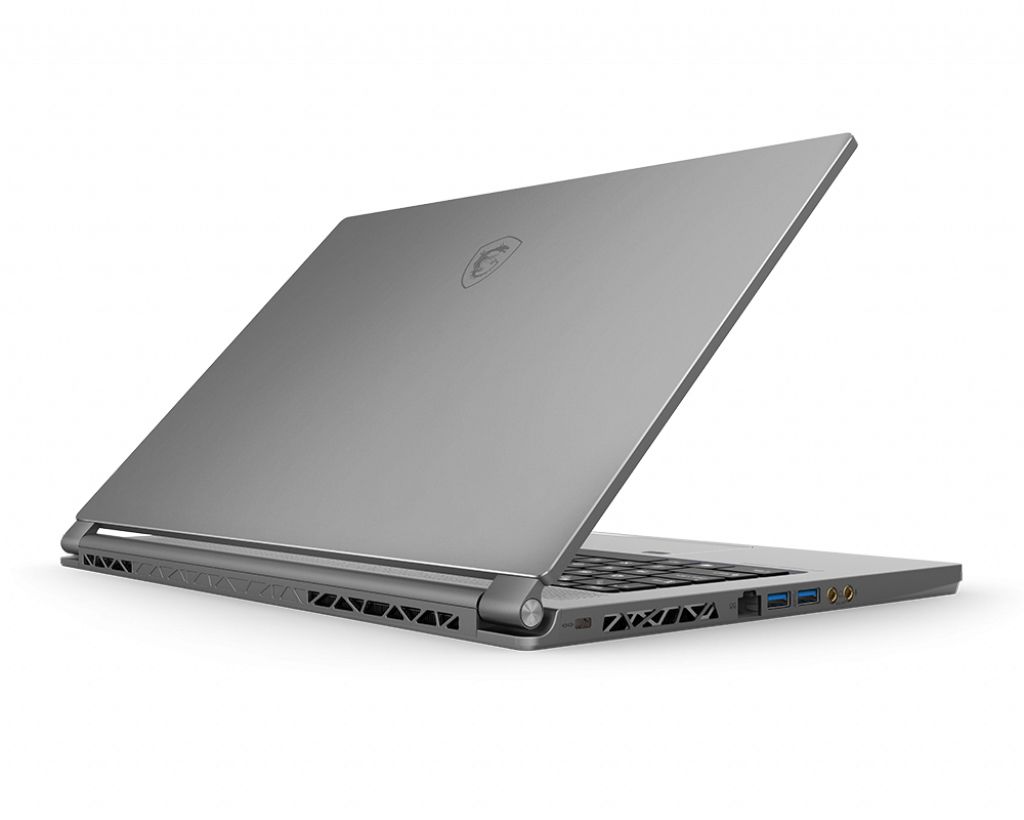
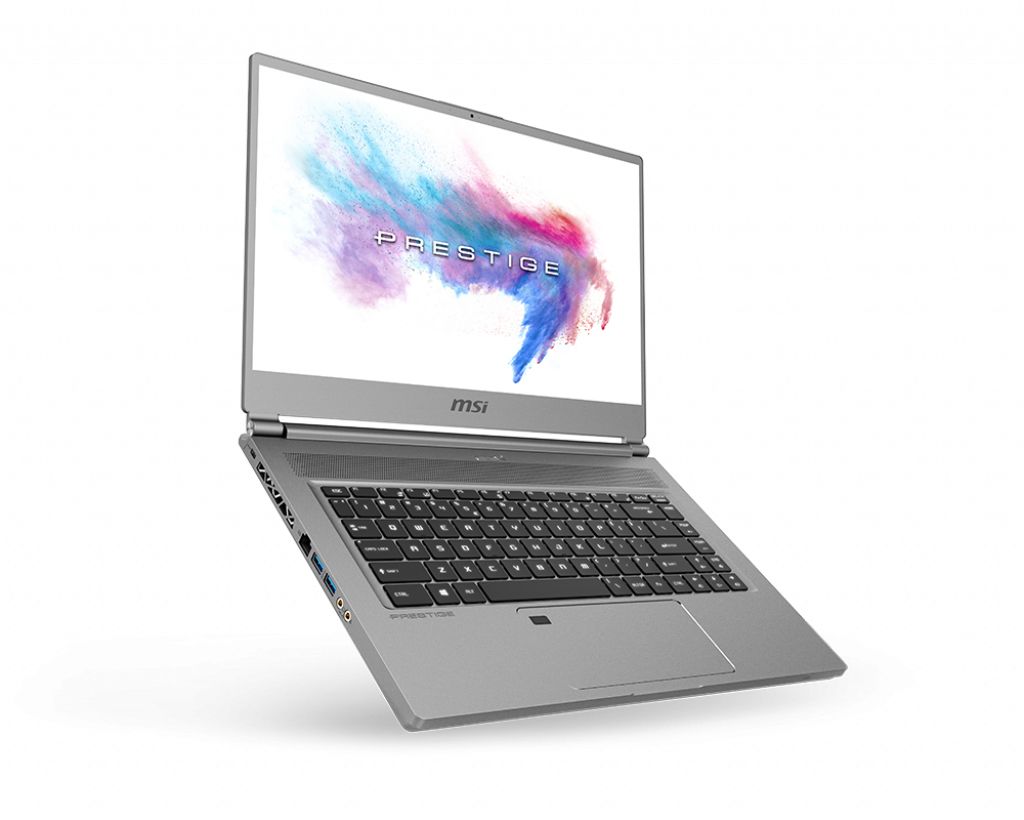
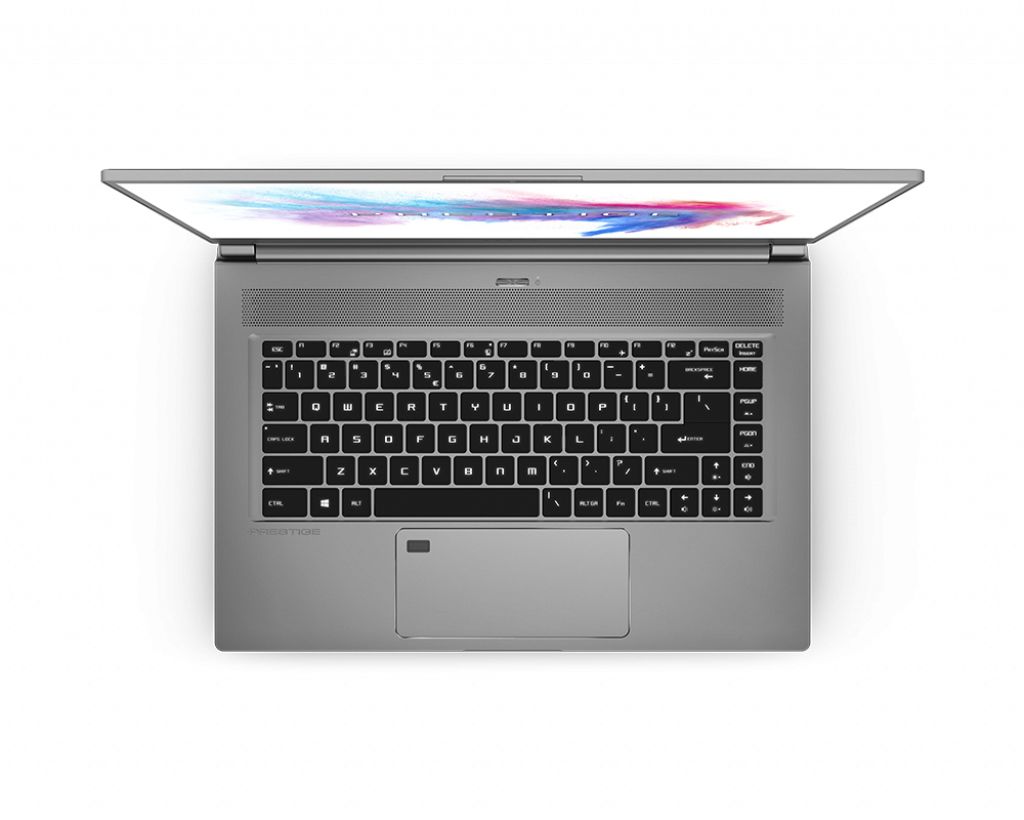

MSI Prestige P series P65 8SF-272RU Creator laptop supports DDR4-SDRAM memory upgrades. The system features 2x SO-DIMM slots for memory expansion. Maximum RAM capacity reaches 32 GB total. Compatible memory modules operate at 2666 MHz frequency. Specifications indicate SO-DIMM form factor for memory modules. Upgrade options allow users to expand existing memory configuration within supported specifications and slot limitations.
Memory Upgrade Specifications
| Specification | Value |
|---|---|
| Memory slots | 2x SO-DIMM |
| Form factor | SO-DIMM |
| Memory type | DDR4-SDRAM |
| Frequency | 2666 MHz |
| Maximum RAM | 32 GB |
| Voltage | 1.2V |
| Number of pins | 260-pin |
| Interface | PC4 |
| PC Speed Rating | PC4-2666 (PC4-21328) |
| Bandwidth | 21.3 GB/s |
| Laptop Release date | 15 July 2019 |
Additional Notes
- The MSI Prestige P65 8SF-272RU Creator relies on Intel 8th generation processor architecture, which inherently limits memory frequency to 2666 MHz regardless of module capabilities, preventing utilization of higher-speed DDR4 modules rated at 3200 MHz or above.
- The 32 GB maximum capacity constraint derives from chipset addressing limitations rather than physical slot availability, meaning installation of two 32 GB modules will result in system recognition of only 32 GB total.
- Dual-channel architecture becomes mandatory for graphics-intensive workloads, as single-module configurations force memory operations into single-channel mode, potentially halving memory bandwidth from 42.6 GB/s to approximately 21.3 GB/s.
- SO-DIMM module height variations up to 31.25 mm may interfere with internal thermal solutions or chassis clearance in Creator-series designs, where compact engineering prioritizes thickness reduction.
- Mixing memory modules with different CAS latencies or ranks will force both modules to operate at the slower timing specification, potentially degrading performance in applications sensitive to memory latency.
- Non-ECC unbuffered modules remain the only compatible specification, as neither the mobile chipset nor processor architecture supports error-correcting code memory or registered DIMMs common in workstation platforms.
- Voltage requirements fixed at 1.2V standard exclude low-voltage 1.35V DDR4L modules marketed for extended battery life, though such modules may still function at reduced efficiency when forced to standard voltage.
- Accessing memory slots typically requires complete bottom panel removal and potential thermal module displacement, complicating user upgrades compared to dedicated access doors found in gaming-oriented chassis designs.
- Warranty preservation demands verification of manufacturer upgrade policies, as some regions classify memory replacement as user-serviceable while others require authorized service center intervention to maintain coverage validity.