MSI Prestige P65 9SE-663BE Creator RAM upgrade specifications

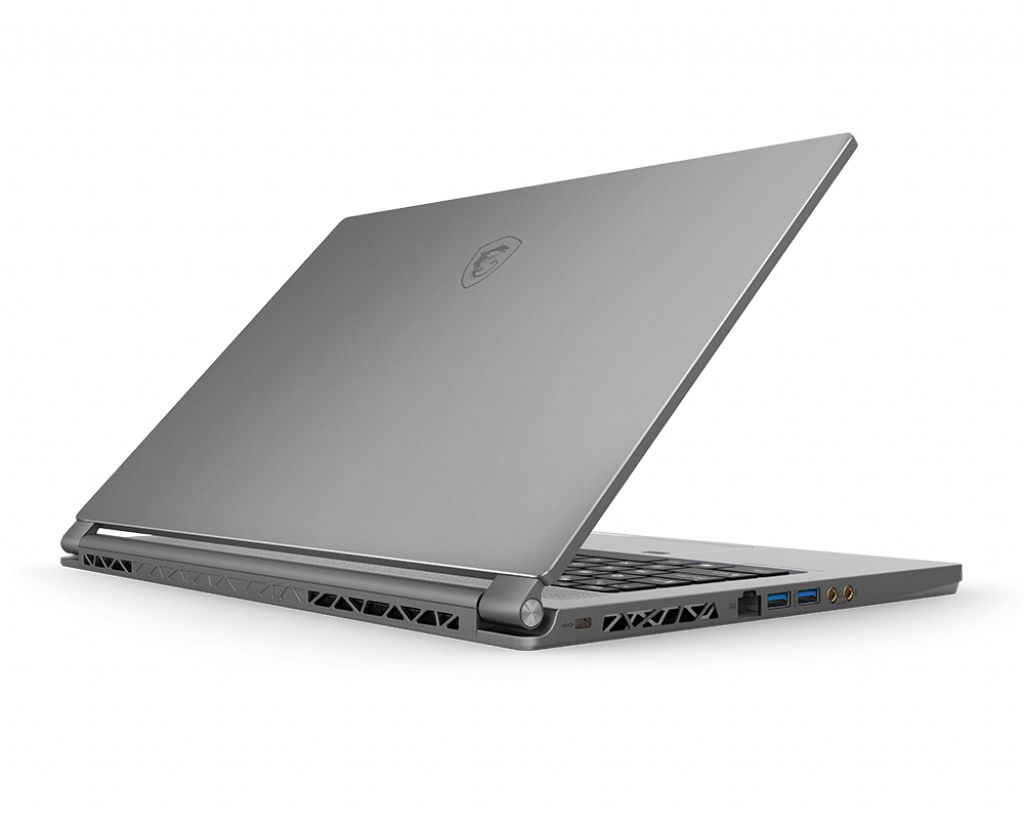



The MSI Prestige P series P65 9SE-663BE Creator laptop features two SO-DIMM slots for DDR4-SDRAM memory upgrades. The maximum supported RAM capacity reaches 64 GB, with compatible memory operating at 2666 MHz frequency. Current specifications indicate available memory slots for expansion, allowing users to upgrade the existing RAM configuration. The SO-DIMM form factor ensures compatibility with standard laptop memory modules. Upgrade options support DDR4 technology, with maximum capacity supporting dual-channel configurations up to the 64 GB threshold across both available slots.
Memory Upgrade Specifications
| Specification | Value |
|---|---|
| Memory slots | 2x SO-DIMM |
| Form factor | SO-DIMM |
| Memory type | DDR4-SDRAM |
| Frequency | 2666 MHz |
| Maximum RAM | 64 GB |
| Voltage | 1.2V |
| Number of pins | 260-pin |
| Interface | PC4 |
| PC Speed Rating | PC4-2666 (PC4-21328) |
| Bandwidth | 21.3 GB/s |
| Laptop Release date | 04 June 2019 |
Additional Notes
- The dual-slot configuration necessitates the removal of existing modules to reach the maximum capacity as no vacant slots remain for expansion.
- Operating memory in pairs is required to enable dual-channel bandwidth which is critical for preventing CPU bottlenecks during rendering tasks on the MSI P65 9SE-663BE Creator.
- Internal access requires the removal of the entire base panel and potentially the disconnection of the battery to prevent electrical shorting during component handling.
- Latency performance is dictated by the slowest installed module because the system synchronizes both channels to the lowest common denominator.
- Installation of modules with speeds exceeding 2666 MHz results in automatic down-clocking to match the native memory controller limitations of the 9th Gen chipset.
- High-density 32 GB modules must be unbuffered and non-ECC to maintain compatibility with the mobile workstation firmware.
- The physical layout of the motherboard often involves a flipped design requiring the removal of the mainboard to access the SO-DIMM slots located on the opposite side of the PCB.