MSI Prestige P65 9SE-664NL Creator RAM upgrade specifications
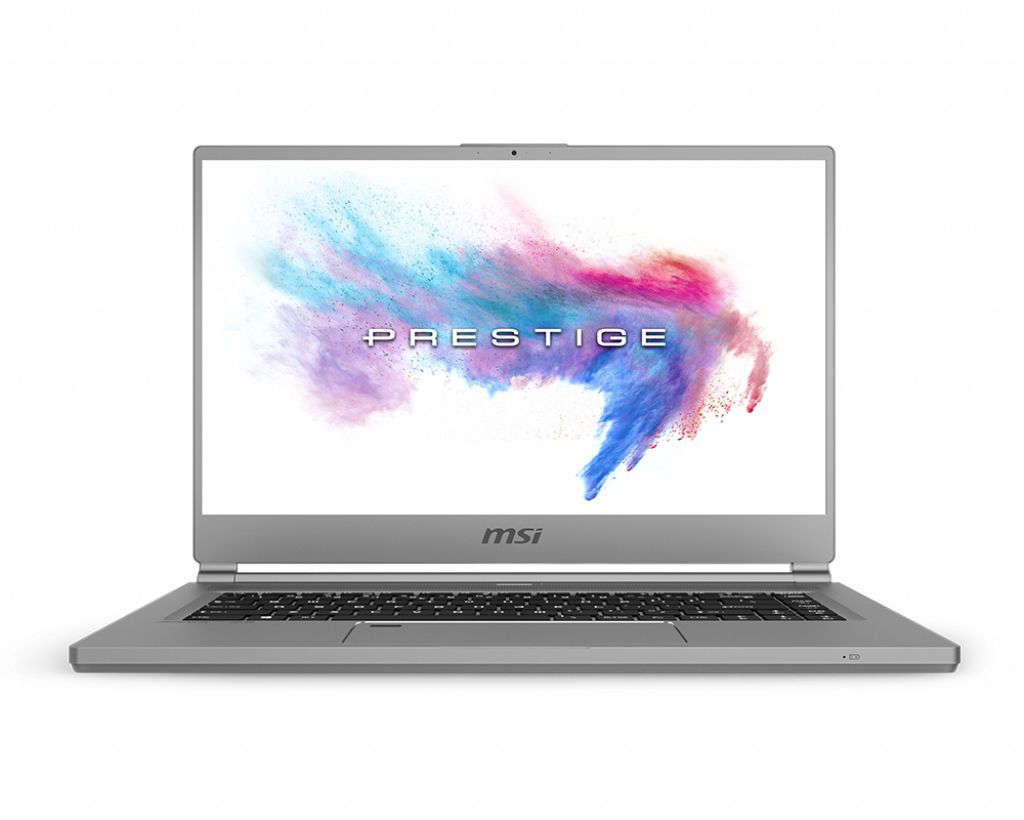
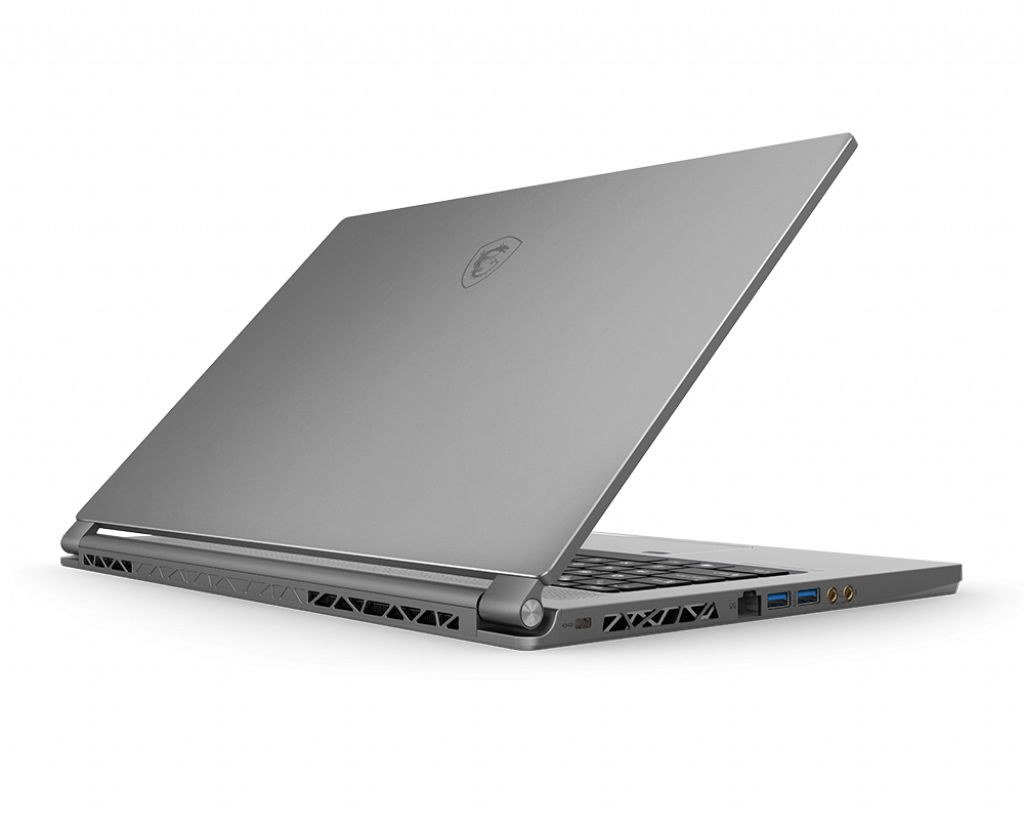
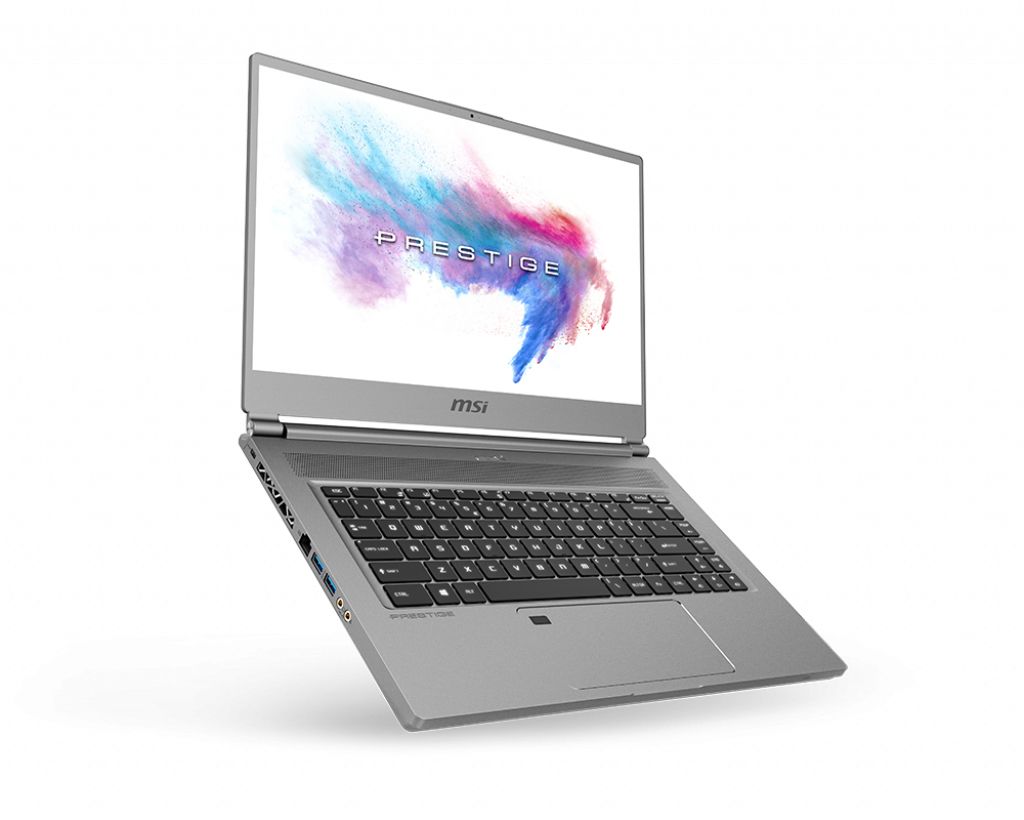
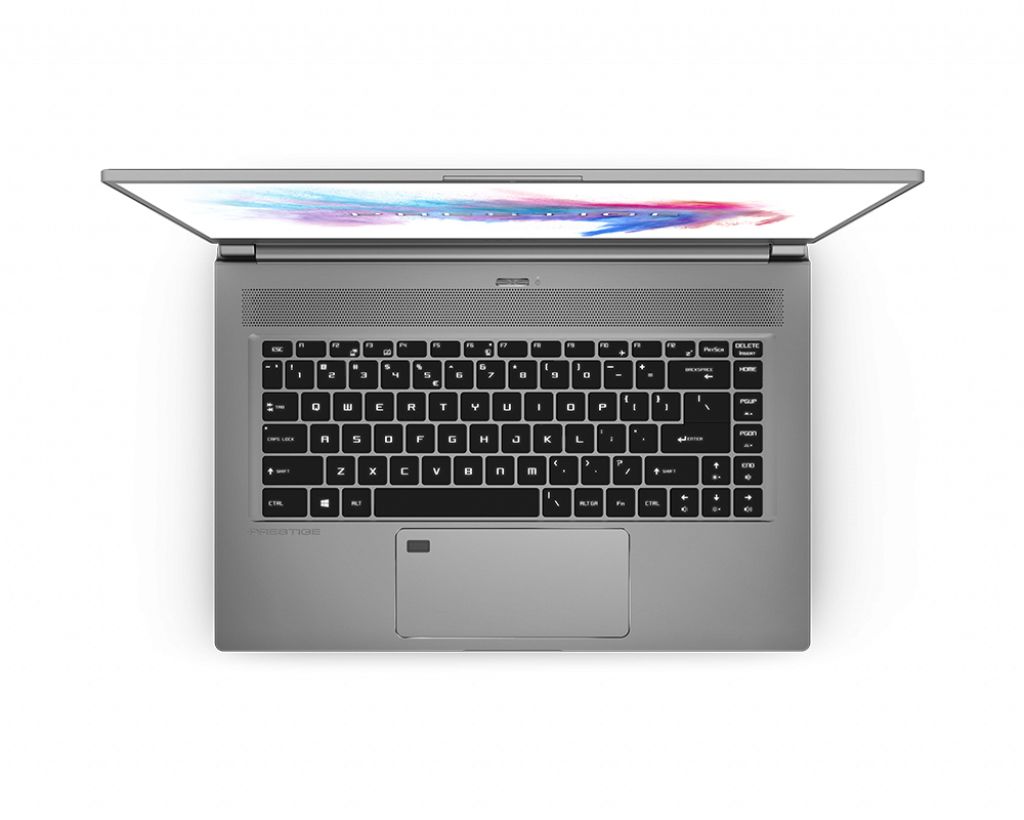
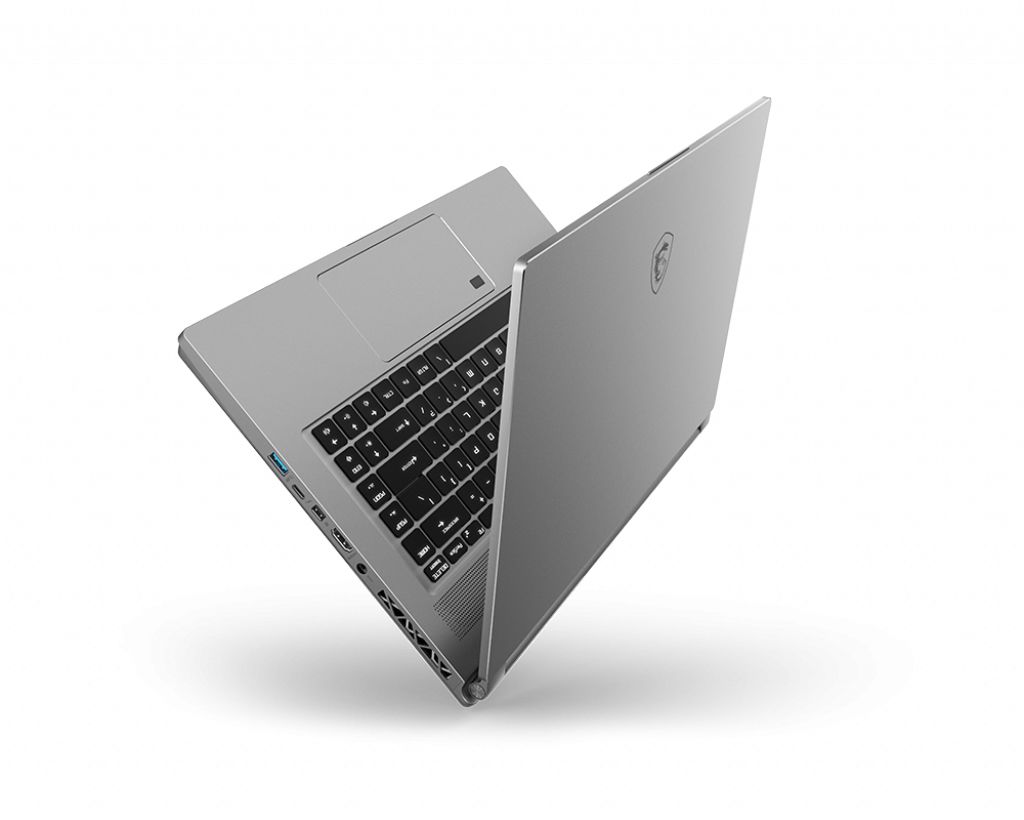
The MSI Prestige P series P65 9SE-664NL Creator laptop features DDR4-SDRAM memory upgrade specifications with two SO-DIMM slots supporting maximum capacity of 64 GB RAM. The memory upgrade is compatible with DDR4 modules operating at 2666 MHz frequency. Current specifications detail the SO-DIMM form factor slots available for memory expansion in the MSI P65 9SE-664NL Creator model.
Memory Upgrade Specifications
| Specification | Value |
|---|---|
| Memory slots | 2x SO-DIMM |
| Form factor | SO-DIMM |
| Memory type | DDR4-SDRAM |
| Frequency | 2666 MHz |
| Maximum RAM | 64 GB |
| Voltage | 1.2V |
| Number of pins | 260-pin |
| Interface | PC4 |
| PC Speed Rating | PC4-2666 (PC4-21328) |
| Bandwidth | 21.3 GB/s |
| Laptop Release date | 04 June 2019 |
Additional Notes
- The internal layout of the MSI P65 9SE-664NL Creator utilizes a flipped motherboard design which requires the complete removal of the mainboard from the chassis to access the memory slots for upgrades.
- Dual channel memory architecture is only achievable when both slots contain matching module capacities and timings to prevent bandwidth throttling during rendering tasks.
- Installing modules with frequencies higher than 2666 MHz results in automatic downclocking to match the hardware controller limitations of the 9th generation chipset.
- High density 32 GB modules are necessary in each slot to reach the maximum supported ceiling since only 2 physical interfaces are available for expansion.
- Thermal management constraints within the slim profile chassis may lead to memory instability if modules without low profile heat spreaders are utilized during sustained workloads.
- The absence of soldered memory on the base board ensures that any future hardware failures localized to the RAM can be resolved without replacing the entire logic board.
- Mixing different brands of SO-DIMM components may lead to system boot failures or forced single channel operation due to variations in SPD latency profiles.