MSI Prestige P65 9SE-692AU Creator RAM upgrade specifications

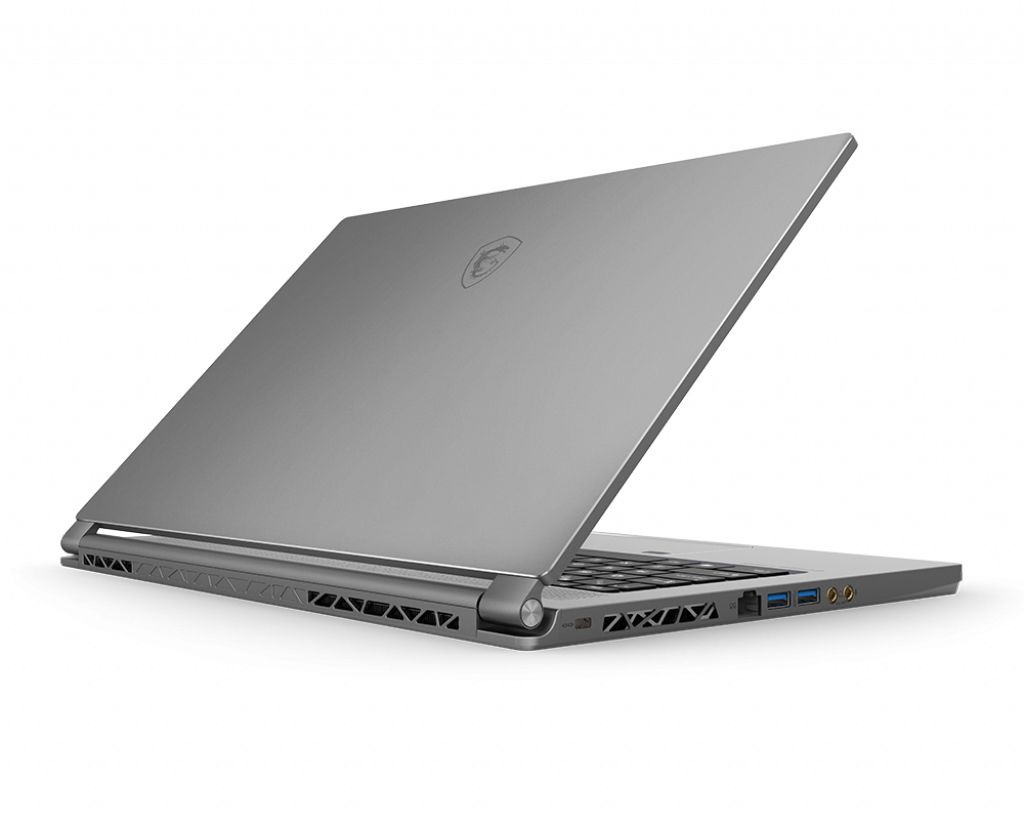
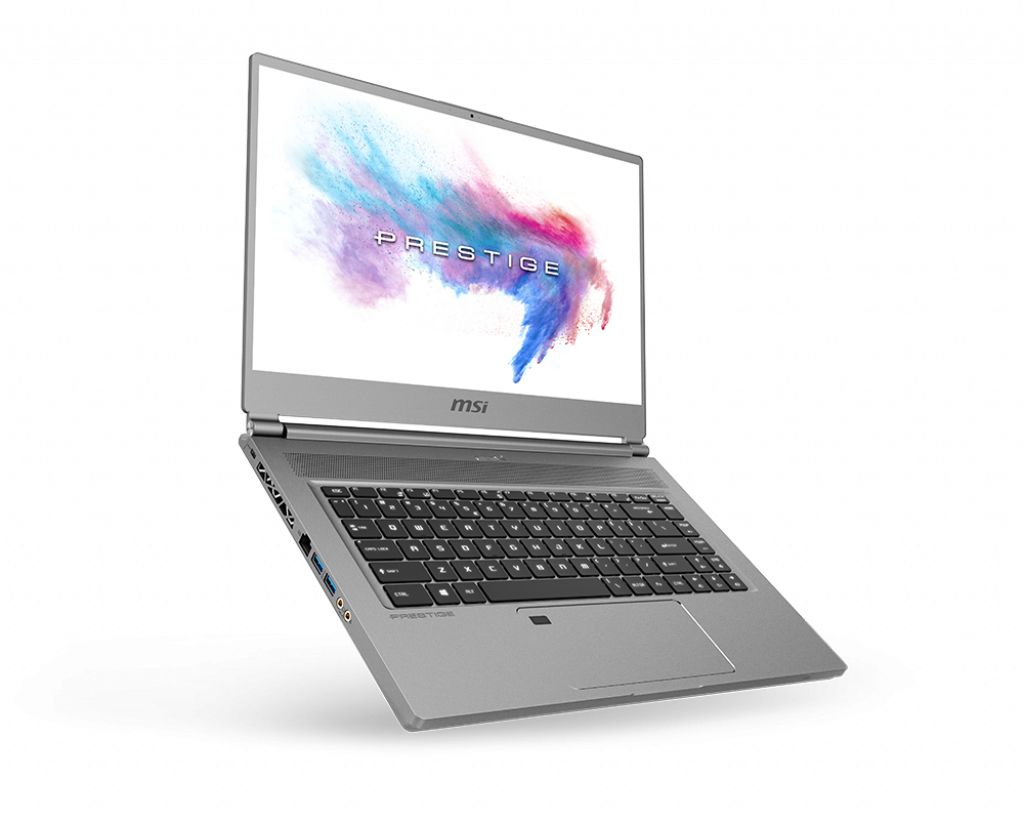
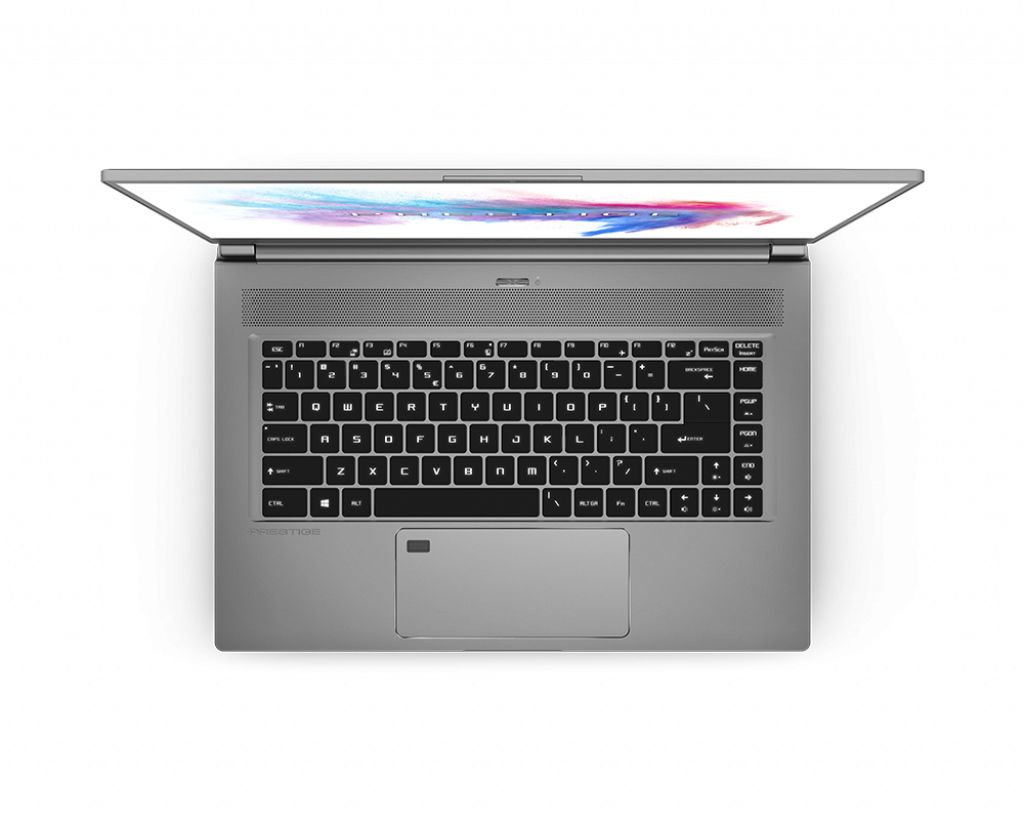
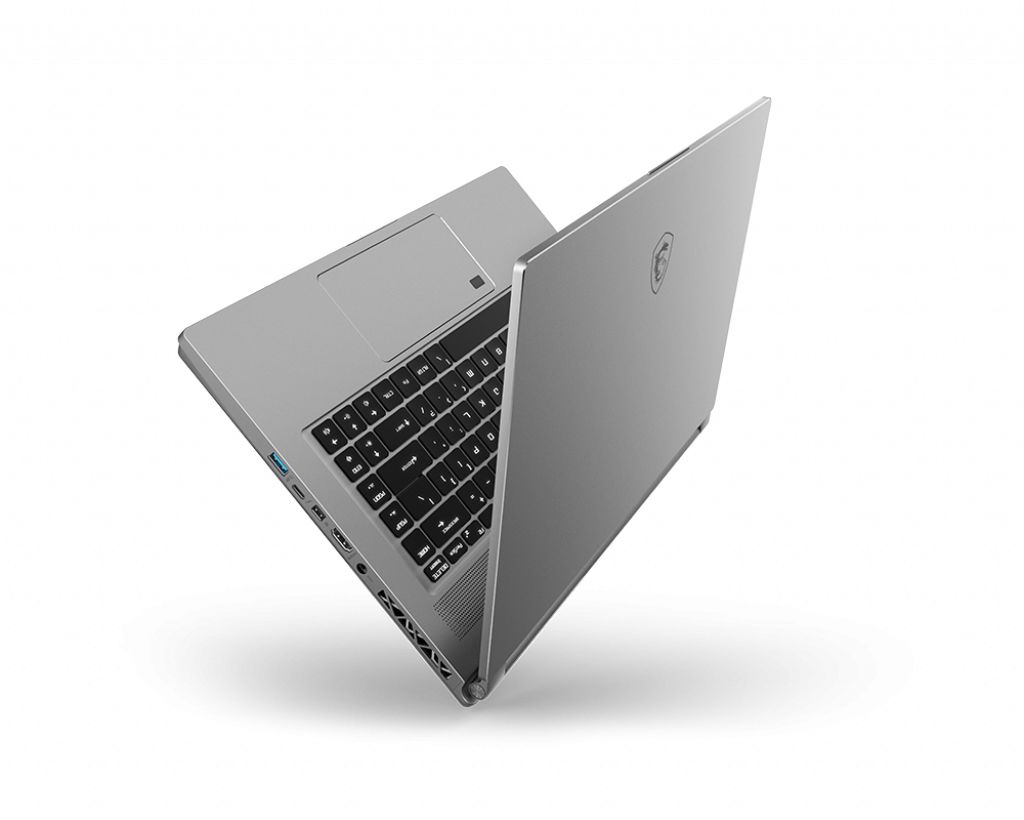
MSI Prestige P series P65 9SE-692AU Creator laptop features DDR4-SDRAM memory upgrade capability. Device contains 2x SO-DIMM slots supporting maximum RAM capacity of 64 GB total. Memory specifications include DDR4 technology operating at 2666 MHz frequency. Compatible upgrades utilize SO-DIMM form factor modules. Existing memory configuration may be upgraded by replacing or supplementing current modules within available slots to achieve maximum supported capacity. RAM upgrade compatibility requires DDR4-SDRAM specifications matching laptop requirements.
Memory Upgrade Specifications
| Specification | Value |
|---|---|
| Memory slots | 2x SO-DIMM |
| Form factor | SO-DIMM |
| Memory type | DDR4-SDRAM |
| Frequency | 2666 MHz |
| Maximum RAM | 64 GB |
| Voltage | 1.2V |
| Number of pins | 260-pin |
| Interface | PC4 |
| PC Speed Rating | PC4-2666 (PC4-21328) |
| Bandwidth | 21.3 GB/s |
| Laptop Release date | 17 September 2019 |
Additional Notes
- The dual-slot configuration indicates that maximum memory capacity requires a matched pair of 32 GB modules to enable dual-channel bandwidth benefits.
- Internal layout constraints of the MSI P65 9SE-692AU Creator necessitate a flipped motherboard orientation, requiring total disassembly for access to the SO-DIMM slots.
- Standard voltage DDR4 modules are required as the system firmware does not support XMP profiles or manual voltage adjustments for overclocked memory.
- Mixing modules with different timings will force the memory controller to default to the highest common latency, potentially degrading system responsiveness in professional creative suites.
- Upgrading beyond the factory configuration relies on a 260-pin interface which lacks backward compatibility with older DDR3 architecture.
- The processor architecture serves as the primary speed limiter, meaning modules rated higher than 2666 MHz will automatically downclock to match the system bus speed.
- Thermal management remains a factor during high-density memory operations because the slots are positioned near the heat pipes of the shared cooling solution.