MSI Prestige P65 9SF-660NL Creator RAM upgrade specifications

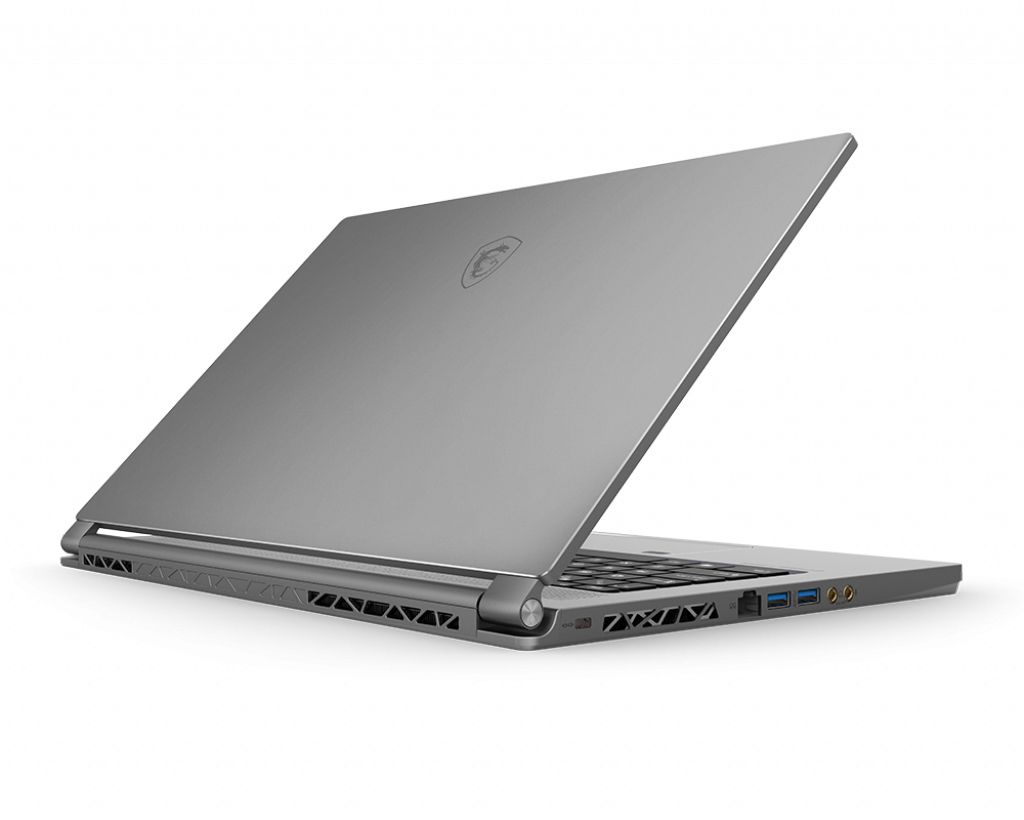
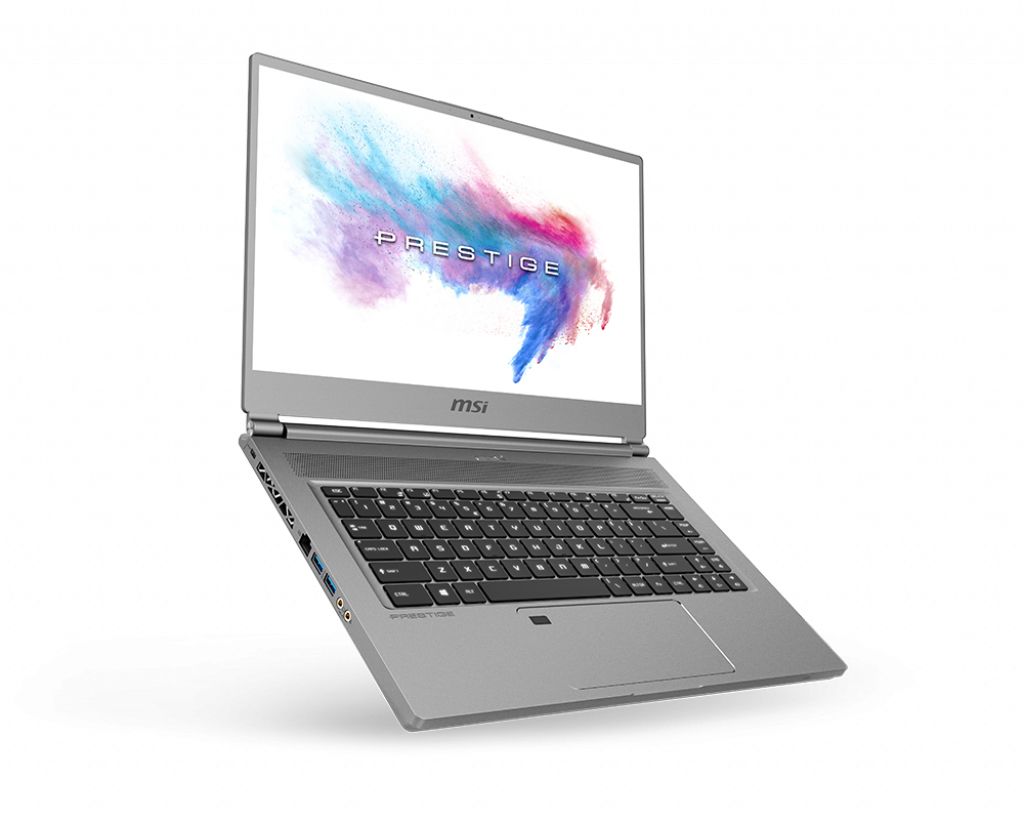
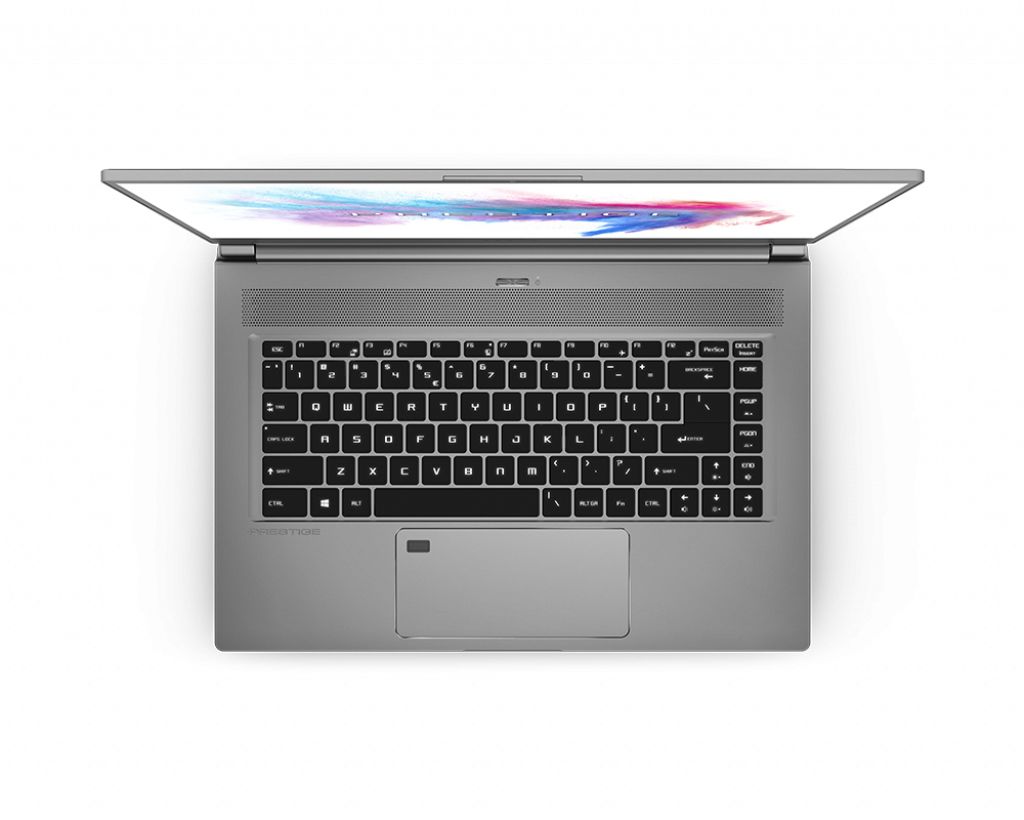

The MSI Prestige P series P65 9SF-660NL Creator laptop features 2x SO-DIMM memory slots supporting DDR4-SDRAM modules at 2666 MHz frequency. Maximum RAM capacity reaches 64 GB total. RAM upgrade specifications indicate compatible SO-DIMM form factor memory modules for expansion. Existing memory configuration permits addition of DDR4-SDRAM to reach maximum supported capacity. Memory upgrade slots accommodate standard notebook memory specifications within DDR4 compatibility parameters.
Memory Upgrade Specifications
| Specification | Value |
|---|---|
| Memory slots | 2x SO-DIMM |
| Form factor | SO-DIMM |
| Memory type | DDR4-SDRAM |
| Frequency | 2666 MHz |
| Maximum RAM | 64 GB |
| Voltage | 1.2V |
| Number of pins | 260-pin |
| Interface | PC4 |
| PC Speed Rating | PC4-2666 (PC4-21328) |
| Bandwidth | 21.3 GB/s |
| Laptop Release date | 04 June 2019 |
Additional Notes
- The MSI Prestige P65 9SF-660NL Creator accommodates maximum 64 GB capacity across 2 slots, requiring both slots to be populated with 32 GB modules for full utilization; single-slot upgrades will leave theoretical capacity unused.
- DDR4-2666 MHz frequency operates below contemporary standard speeds (3200 MHz became mainstream during the 9th-generation Intel era); replacement modules must match or downclock to 2666 MHz to maintain compatibility, as faster modules will throttle to this ceiling.
- SO-DIMM form factor restricts upgrade sourcing to laptop-grade memory; desktop DDR4 UDIMM modules are physically incompatible and cannot be force-fitted without risking connector damage and voiding warranty protection.
- Bandwidth saturation occurs when both slots are populated; the shared 64-bit channel divided between 2 modules creates contention during concurrent memory access patterns typical in video editing and 3D rendering workflows that this Creator model targets.
- Thermal constraints apply to high-capacity modules; stacking 32 GB per slot increases proximity to the heatspreader and chipset, potentially elevating memory controller temperatures on the adjacent CPU package during sustained computational tasks.