MSI Prestige P75 9SE-492CZ Creator RAM upgrade specifications
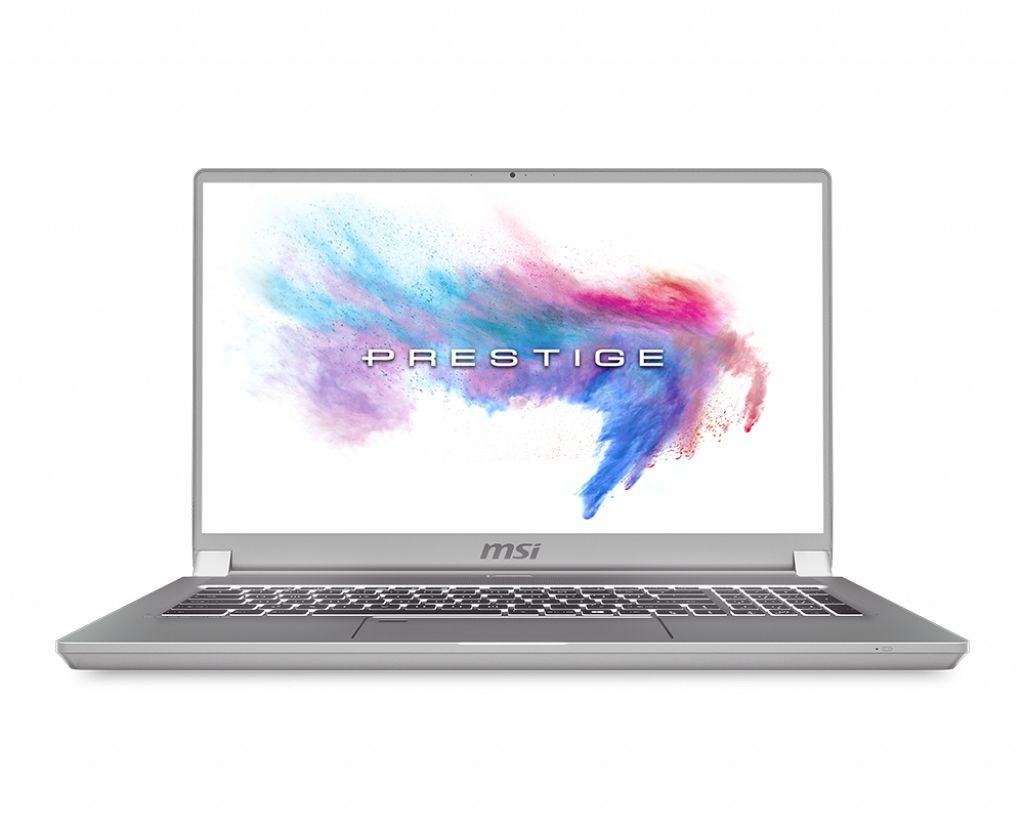
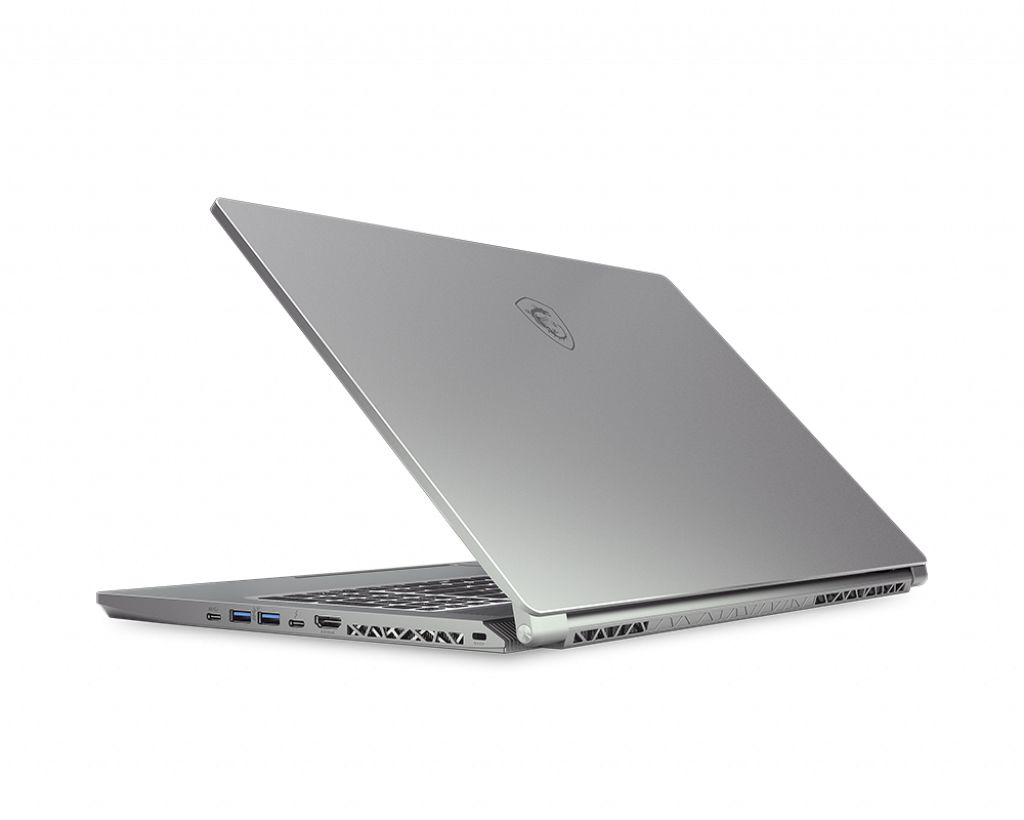
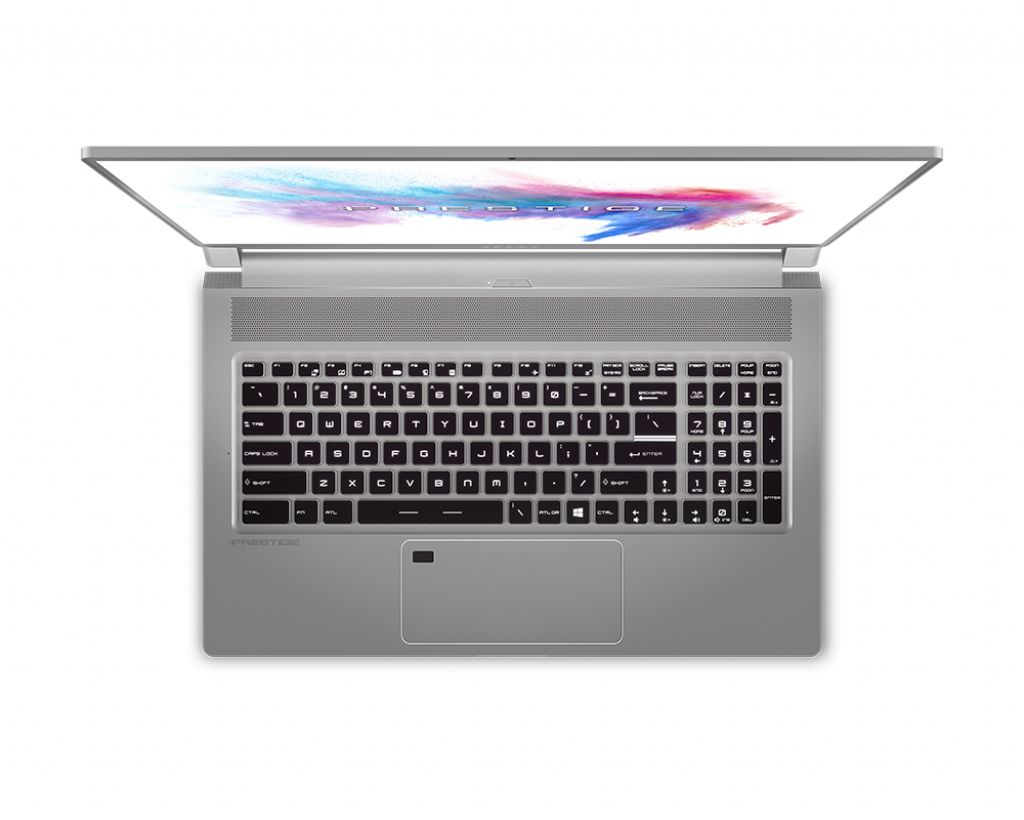
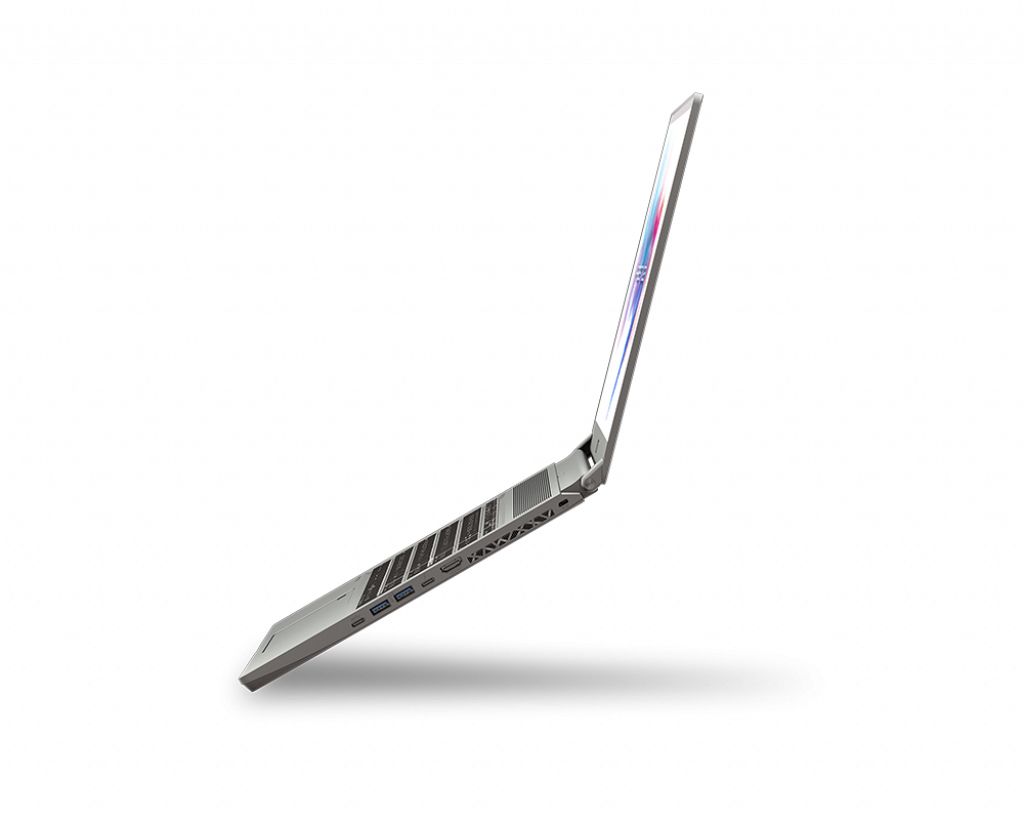
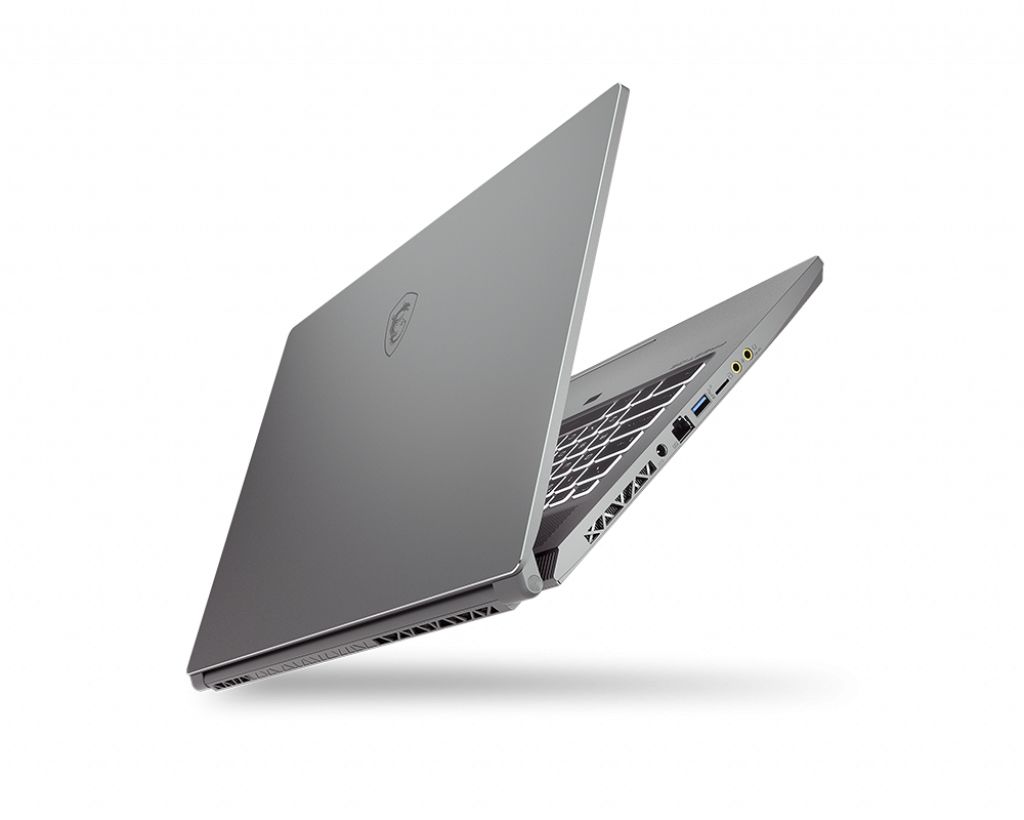
The MSI Prestige P Series P75 9SE-492CZ Creator laptop accommodates DDR4-SDRAM memory upgrades through 2x SO-DIMM slots. Compatible memory modules operate at 2666 MHz frequency with SO-DIMM form factor specifications. The upgrade configuration supports maximum RAM capacity of 64 GB total. Memory expansion provides compatible specifications for enhanced multitasking and professional workload performance on the Creator model within the Prestige P Family series.
Memory Upgrade Specifications
| Specification | Value |
|---|---|
| Memory slots | 2x SO-DIMM |
| Form factor | SO-DIMM |
| Memory type | DDR4-SDRAM |
| Frequency | 2666 MHz |
| Maximum RAM | 64 GB |
| Voltage | 1.2V |
| Number of pins | 260-pin |
| Interface | PC4 |
| PC Speed Rating | PC4-2666 (PC4-21328) |
| Bandwidth | 21.3 GB/s |
| Laptop Release date | 25 May 2019 |
Additional Notes
- The MSI Prestige P75 9SE-492CZ Creator supports only 2 physical memory slots, creating a ceiling on expansion capacity that cannot be circumvented through additional slot availability.
- Stock frequency of 2666 MHz indicates the system operates at JEDEC standard speeds rather than high-performance XMP profiles, meaning manual frequency tuning offers marginal headroom for memory clock optimization.
- SO-DIMM form factor restricts upgrade options to laptop-grade modules; desktop DDR4 DIMMs cannot function in this configuration regardless of electrical compatibility.
- Reaching the 64 GB maximum requires installing 2x 32 GB SO-DIMM modules, which demands complete replacement of existing memory rather than additive expansion if current capacity is below 32 GB per slot.
- The 2-slot architecture means memory bandwidth scales linearly with configuration density; upgrading from single-channel to dual-channel operation (if currently single-populated) doubles memory bandwidth availability for parallel workloads.
- SO-DIMM modules generate greater thermal density per unit capacity than desktop equivalents, potentially affecting thermal throttling behavior under sustained memory-intensive operations if airflow paths are already constrained.
- Third-party DDR4 SO-DIMM modules rated for higher frequencies (3200 MHz, 3600 MHz) may operate at reduced clock speeds when installed, as firmware typically applies the lower JEDEC 2666 MHz profile unless BIOS overclocking is enabled and supported.