MSI Prestige P75 9SF-1087NL Creator RAM upgrade specifications
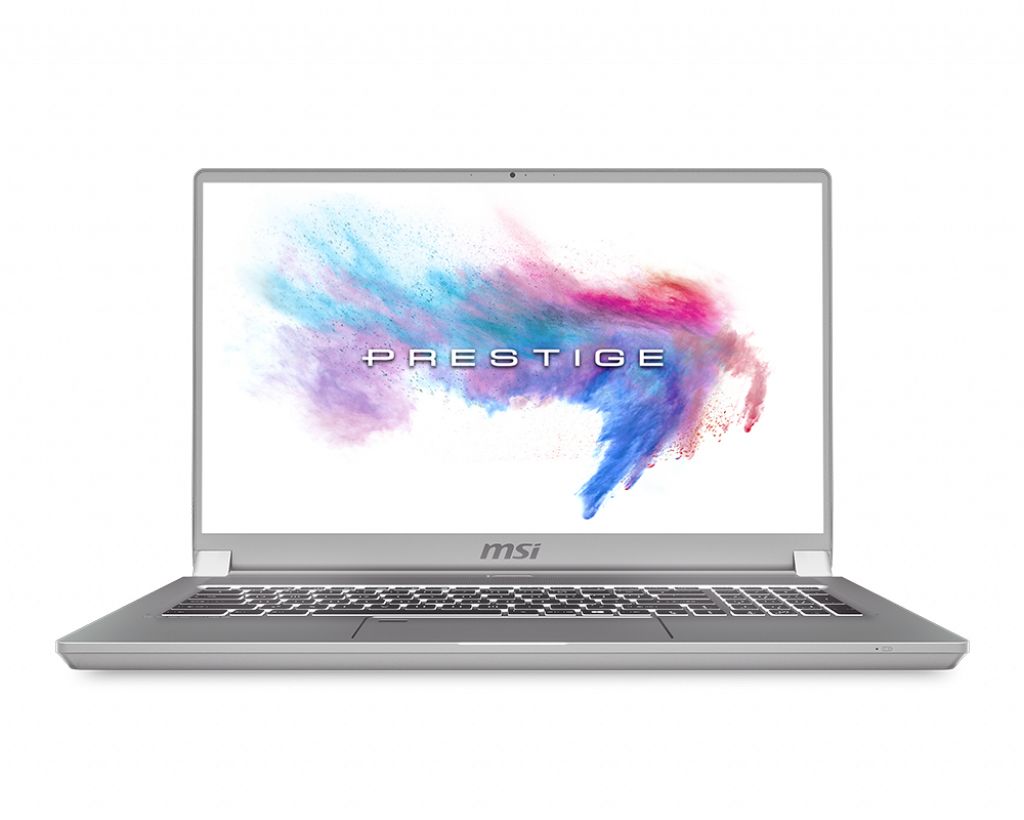
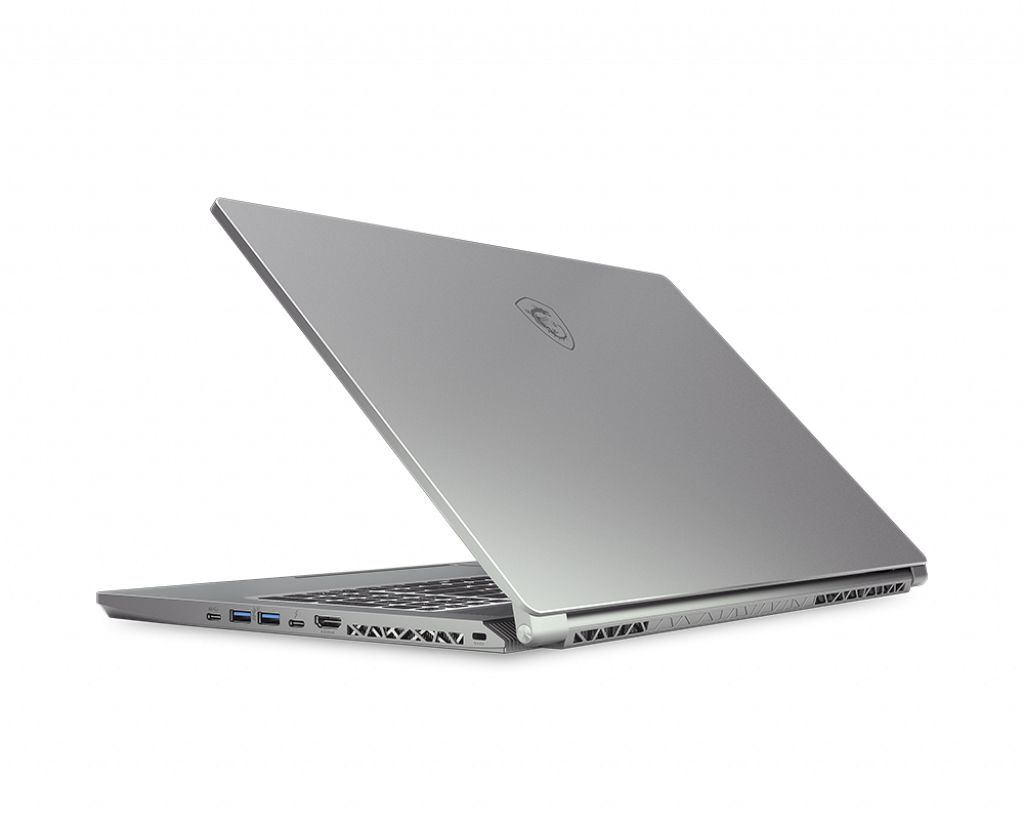
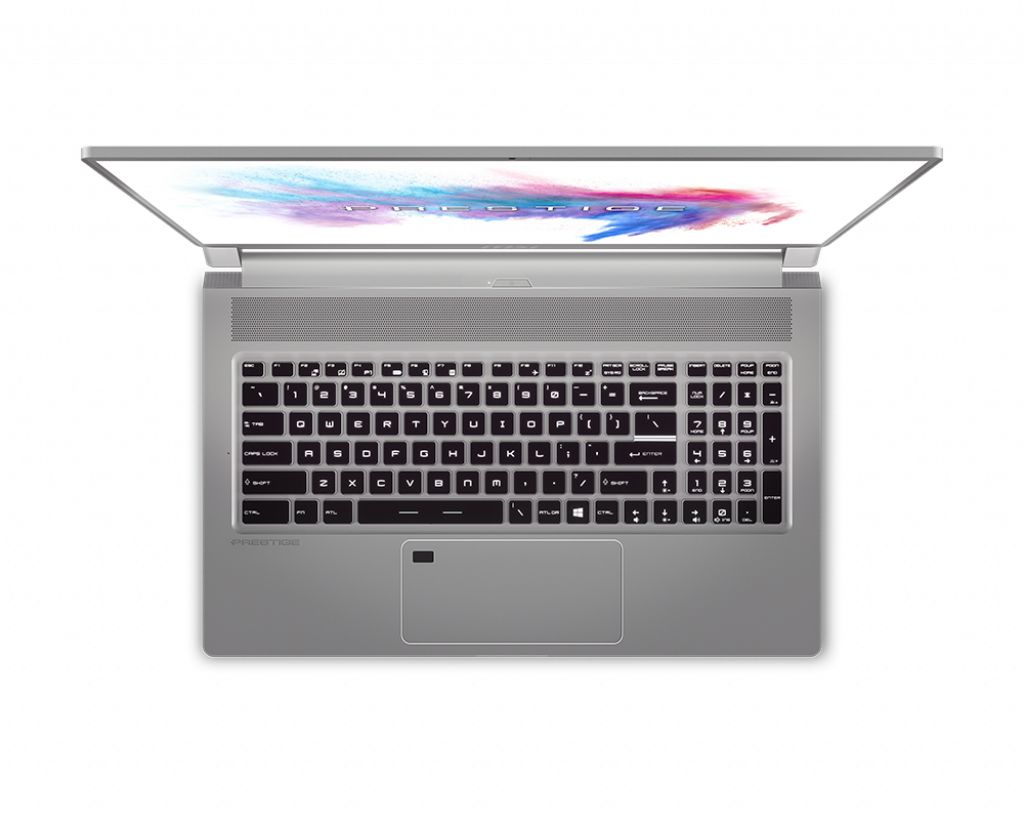
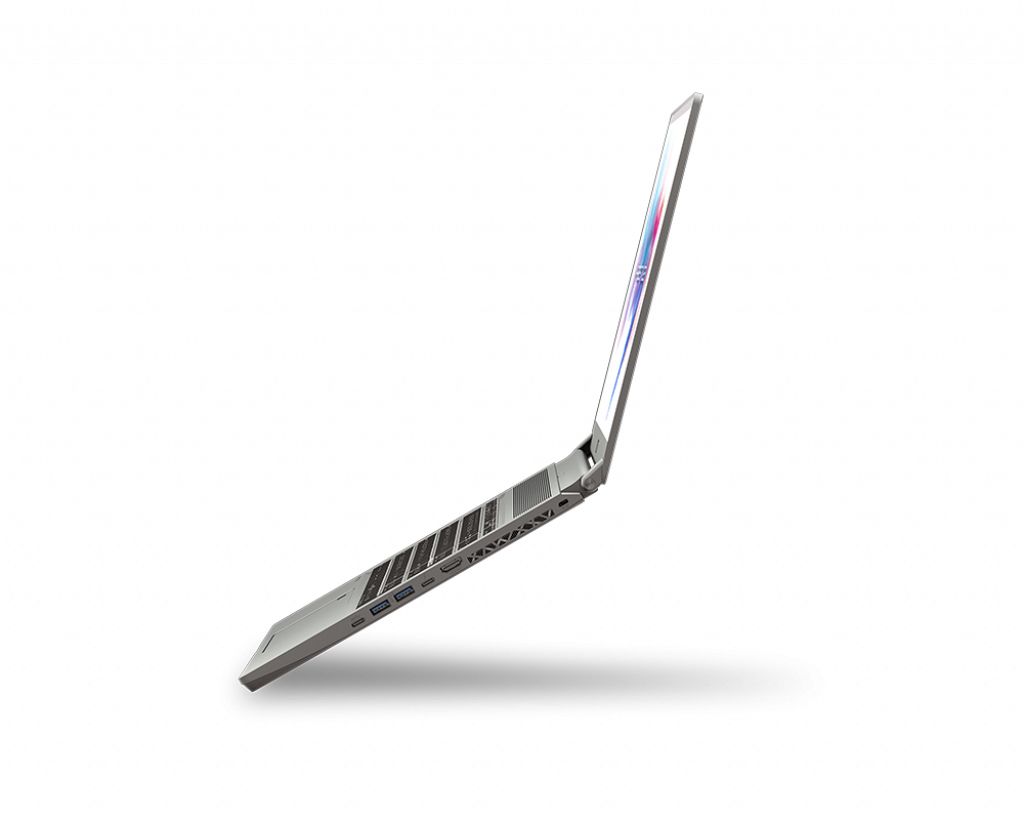
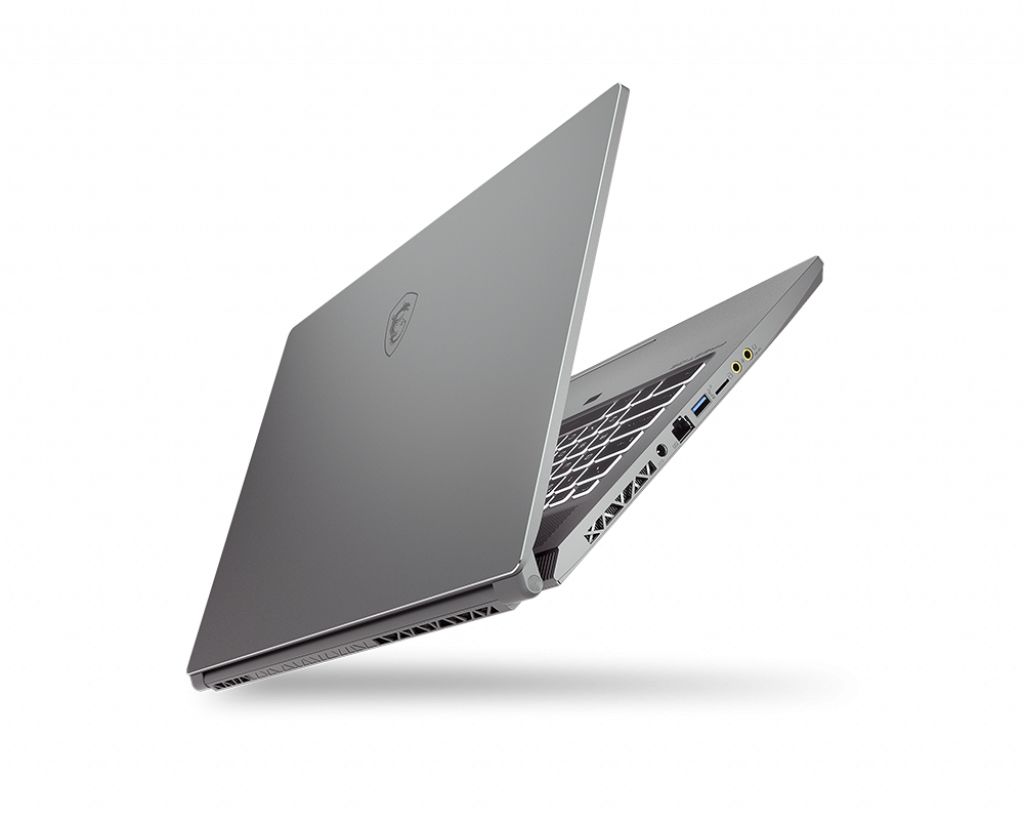
The MSI Prestige P75 9SF-1087NL Creator laptop features DDR4-SDRAM memory upgrade specifications with two SO-DIMM slots supporting maximum capacity of 64 GB RAM. Compatible memory modules operate at 2666 MHz frequency. The upgrade slots accommodate SO-DIMM form factor memory modules, enabling users to expand the system's memory capacity for enhanced multitasking and content creation performance on the MSI P Series Prestige platform.
Memory Upgrade Specifications
| Specification | Value |
|---|---|
| Memory slots | 2x SO-DIMM |
| Form factor | SO-DIMM |
| Memory type | DDR4-SDRAM |
| Frequency | 2666 MHz |
| Maximum RAM | 64 GB |
| Voltage | 1.2V |
| Number of pins | 260-pin |
| Interface | PC4 |
| PC Speed Rating | PC4-2666 (PC4-21328) |
| Bandwidth | 21.3 GB/s |
| Laptop Release date | 23 October 2019 |
Additional Notes
- The MSI Prestige P75 Creator operates at DDR4-2666 MHz, which is below contemporary DDR4 standards (3200 MHz+). Upgrading to faster DDR4 modules will not yield performance gains due to BIOS frequency locking at 2666 MHz.
- 2 SO-DIMM slots permit maximum 64 GB total capacity. Upgrading beyond 32 GB per module requires replacing both existing sticks rather than adding a single module, resulting in higher per-gigabyte costs.
- SO-DIMM form factor restricts module selection to laptop-specific memory. Desktop DDR4 modules (UDIMM) are physically incompatible and cannot be installed regardless of electrical specifications matching.
- The dual-slot architecture creates a single point of failure during operation. If one module fails, the system becomes non-functional rather than degraded, making redundancy impossible.
- DDR4-2666 timing specifications may introduce subtle latency when pairing dissimilar modules (different manufacturers, production batches, or CAS latencies). Mixed-capacity configurations (16 GB + 32 GB) operate in single-channel mode on the 16 GB stick, reducing bandwidth efficiency.
- 64 GB ceiling corresponds to 2x32 GB modules at current market availability. Future DDR4 modules exceeding 32 GB per stick remain unavailable, making this the practical upgrade terminal point.