MSI Prestige P75 9SF-674IT RAM upgrade specifications
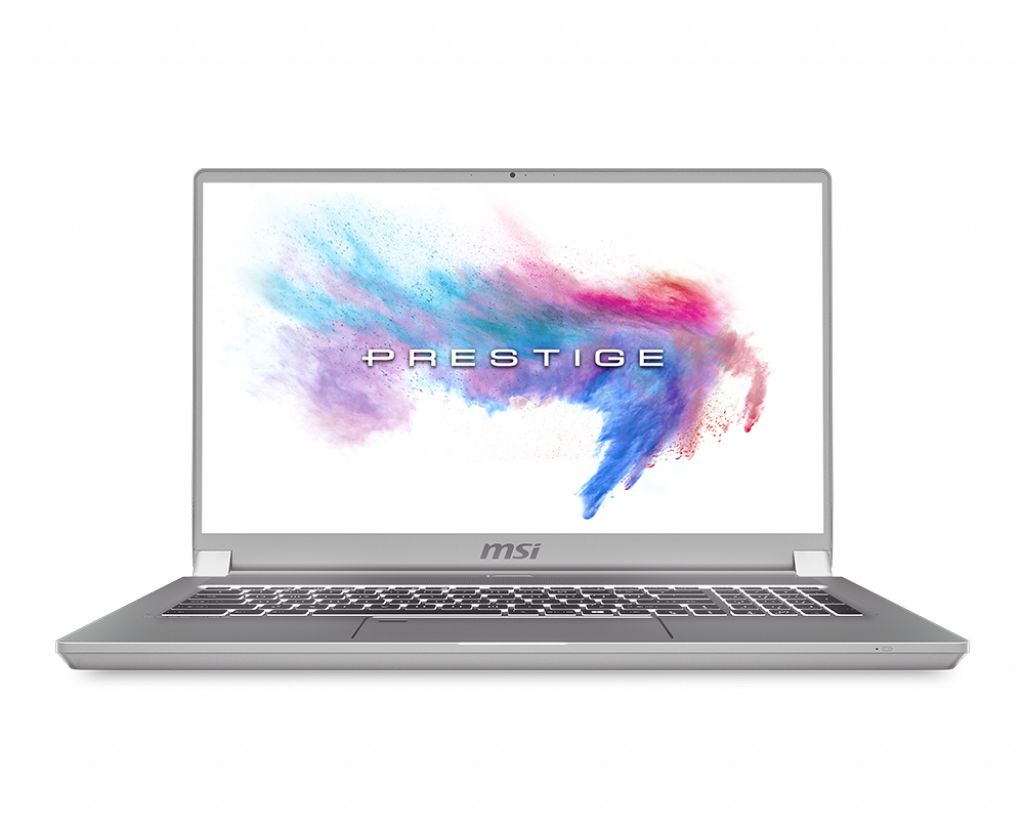
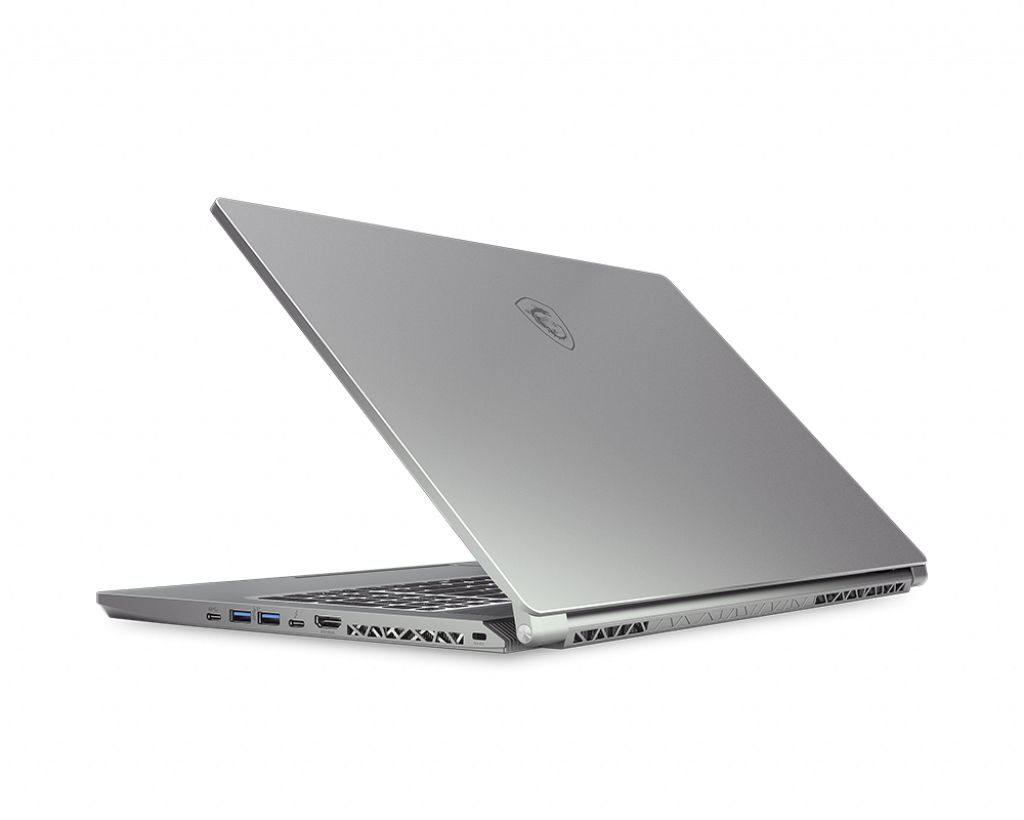
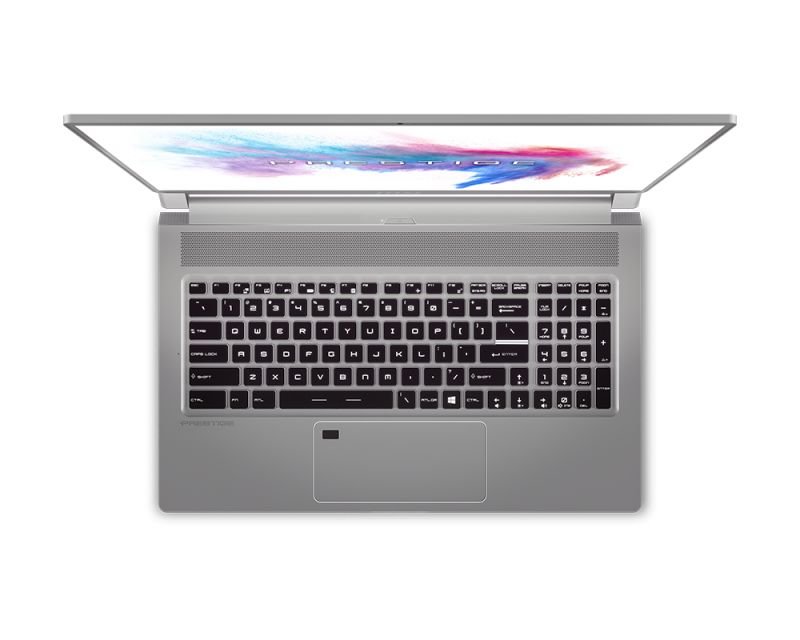
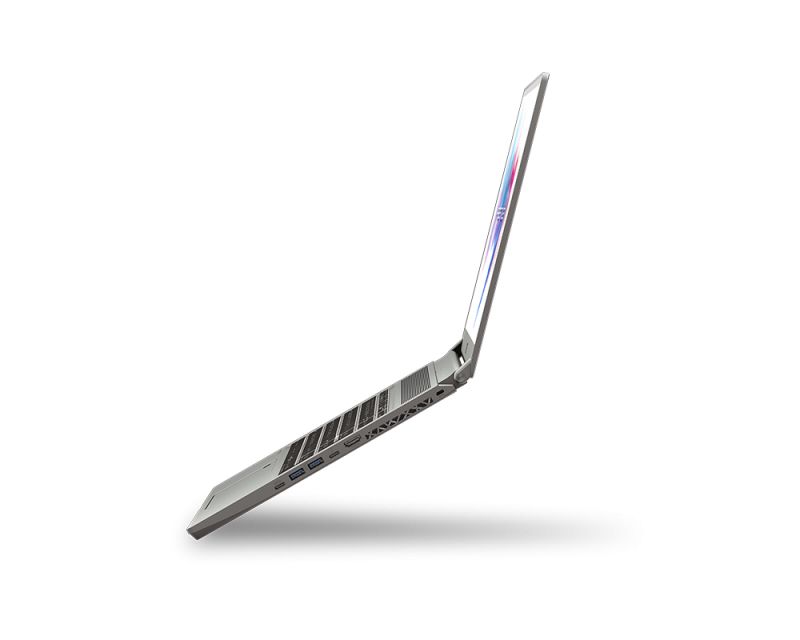
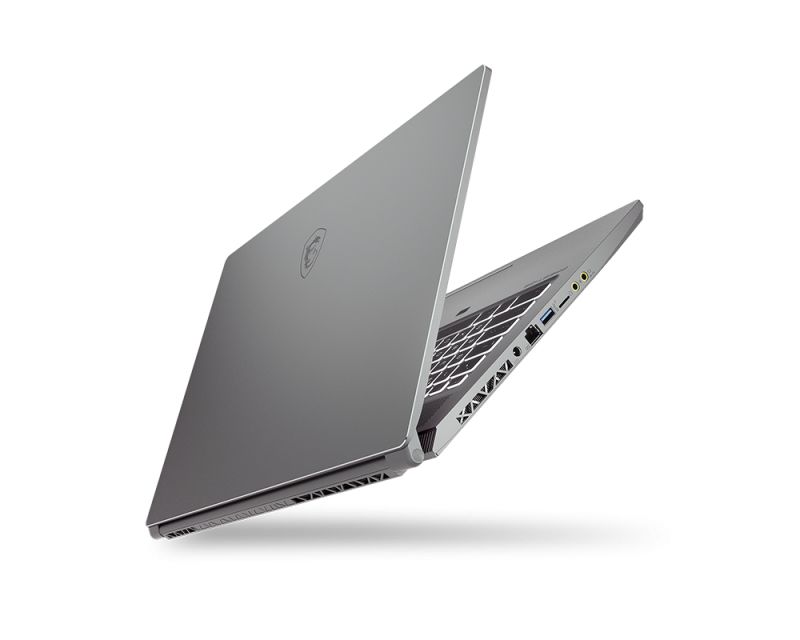
The MSI Prestige P series P75 9SF-674IT laptop features DDR4-SDRAM memory upgrade capabilities. The device contains 2x SO-DIMM slots supporting a maximum RAM capacity of 64 GB. Compatible memory modules operate at 2666 MHz frequency and utilize SO-DIMM form factor specifications. Upgrade options allow for expansion of the existing memory configuration to reach the maximum supported capacity through compatible DDR4-SDRAM modules.
Memory Upgrade Specifications
| Specification | Value |
|---|---|
| Memory slots | 2x SO-DIMM |
| Form factor | SO-DIMM |
| Memory type | DDR4-SDRAM |
| Frequency | 2666 MHz |
| Maximum RAM | 64 GB |
| Voltage | 1.2V |
| Number of pins | 260-pin |
| Interface | PC4 |
| PC Speed Rating | PC4-2666 (PC4-21328) |
| Bandwidth | 21.3 GB/s |
| Laptop Release date | 27 August 2019 |
Additional Notes
- The MSI Prestige P75 9SF-674IT contains 2 SO-DIMM slots with a combined maximum capacity of 64 GB, meaning each slot supports up to 32 GB modules when fully populated.
- DDR4-2666 MHz frequency represents the native JEDEC standard for this generation, though the system will accept higher-frequency modules that downclock to this specification; bandwidth overhead from frequency negotiation occurs during boot cycles when mixed-speed modules are installed.
- SO-DIMM form factor constrains module selection to laptop-specific RAM; desktop DDR4 DIMMs are physically incompatible and cannot be force-fitted without permanent damage to socket contacts.
- Upgrading from a single occupied slot to dual-channel configuration doubles memory bandwidth throughput to approximately 42.6 GB/s, reducing latency-sensitive operations in content creation and data processing workflows.
- Single-rank versus dual-rank module selection affects memory controller load; dual-rank modules incur marginally higher voltage requirements and thermal output, which matters in fanless or passive-cooled configurations.
- The 64 GB ceiling aligns with 9th-generation Intel mobile platform limitations; no BIOS or firmware revision will extend capacity beyond this threshold on this generation hardware.
- Warranty retention for RAM upgrades depends on vendor policy; MSI typically permits end-user memory replacement without voiding system coverage, provided installation does not damage adjacent components or connectors.