MSI Prestige P75 9SF-671 Creator RAM upgrade specifications
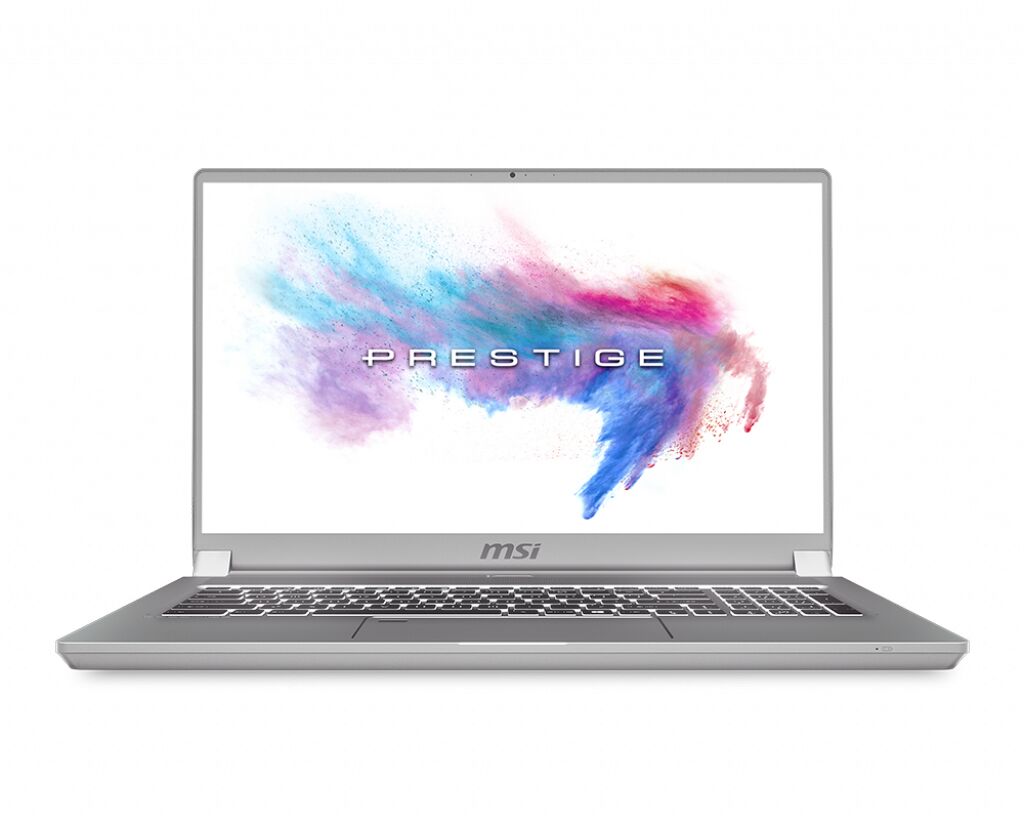
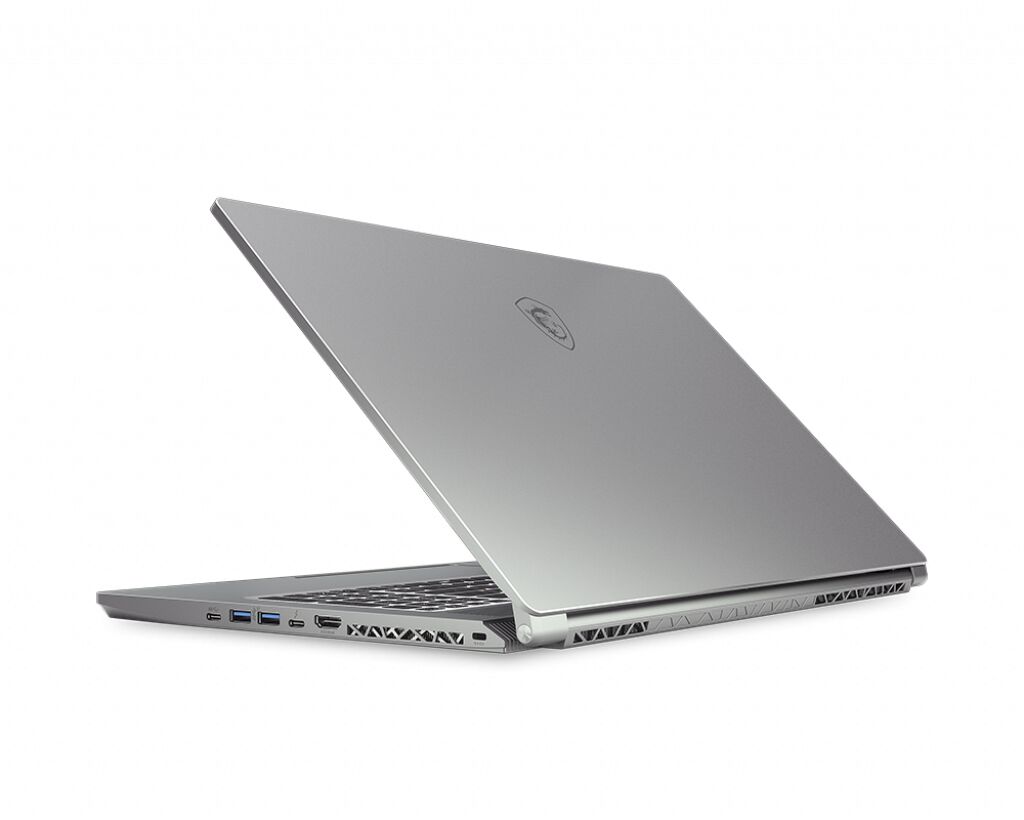
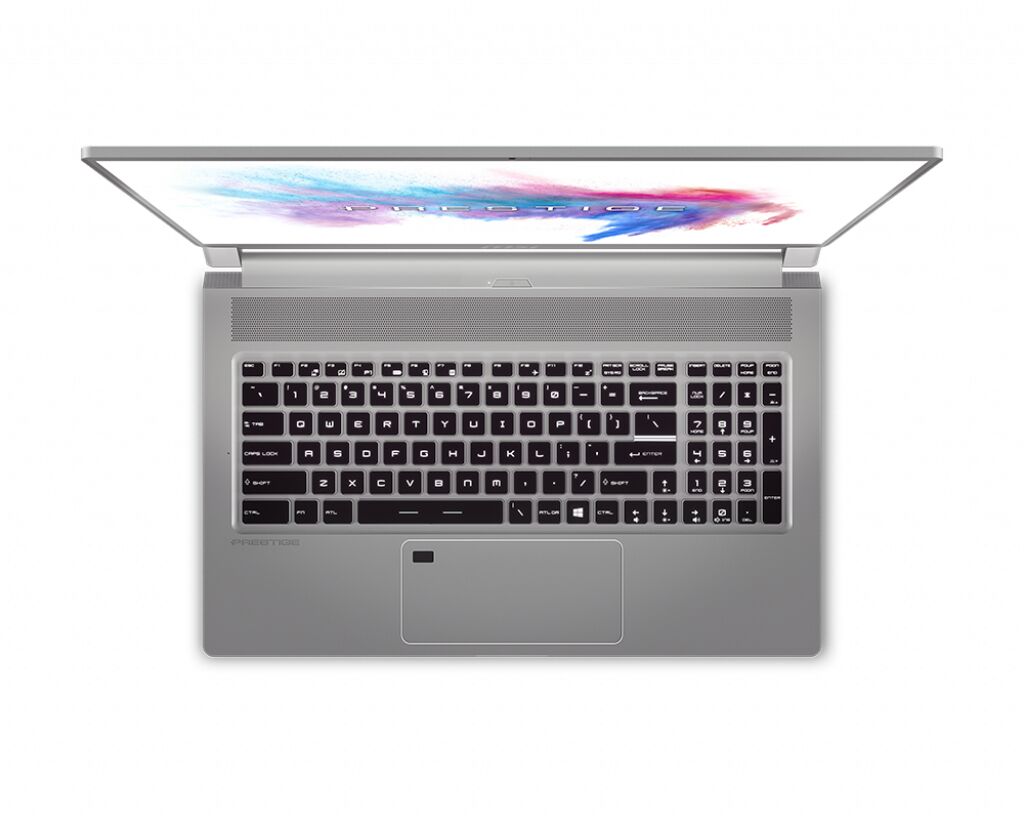
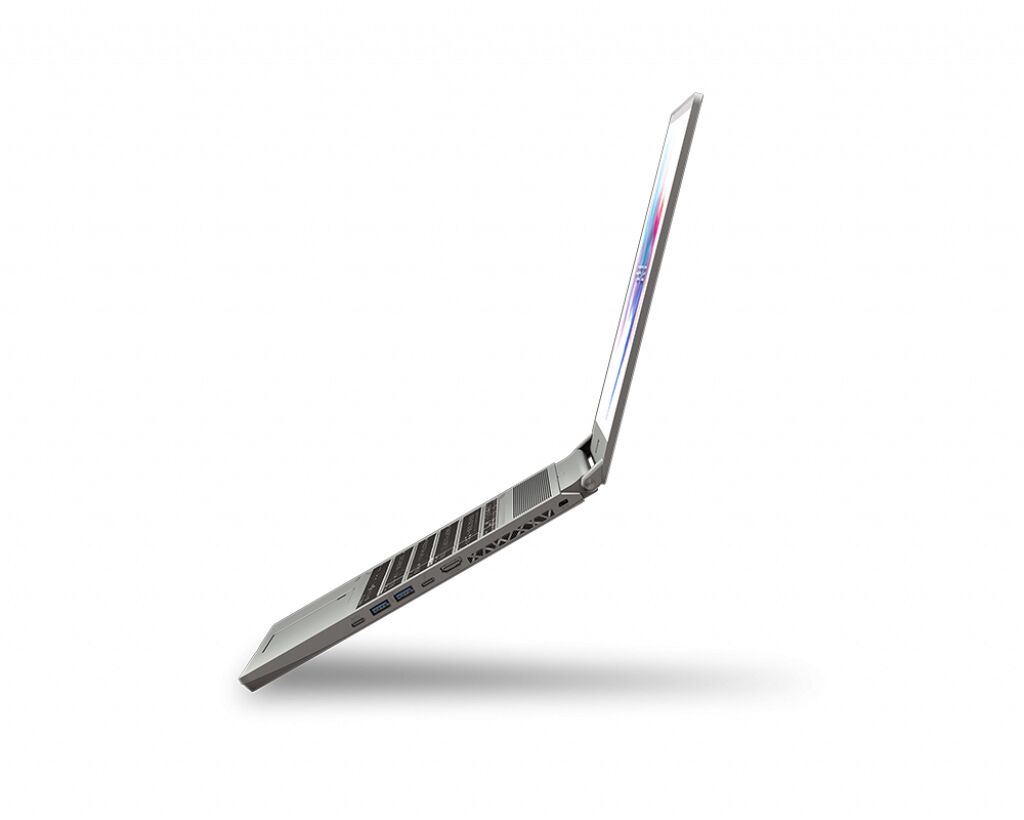
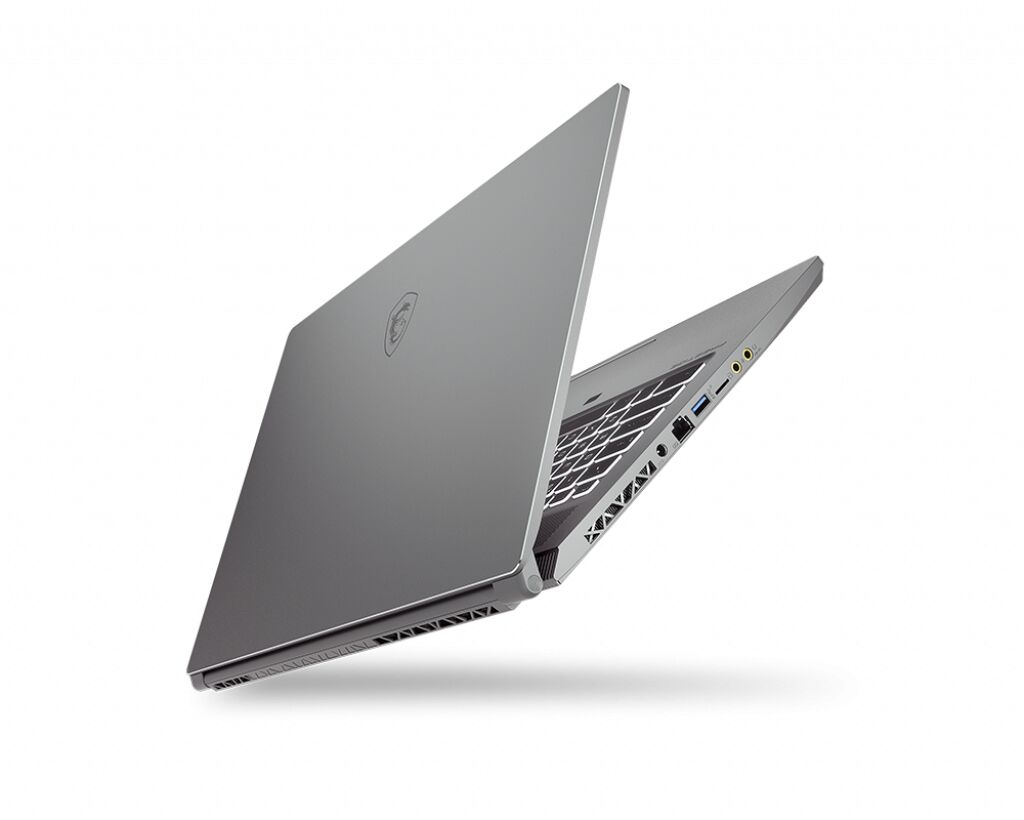
The MSI Prestige P series P75 9SF-671 Creator laptop features two SO-DIMM memory slots supporting DDR4-SDRAM upgrades. The system accommodates a maximum RAM capacity of 64 GB total, with compatible memory modules operating at 2666 MHz frequency. Specifications enable memory expansion through SO-DIMM form factor upgrades, allowing users to enhance system performance through maximum supported memory installation on compatible modules.
Memory Upgrade Specifications
| Specification | Value |
|---|---|
| Memory slots | 2x SO-DIMM |
| Form factor | SO-DIMM |
| Memory type | DDR4-SDRAM |
| Frequency | 2666 MHz |
| Maximum RAM | 64 GB |
| Voltage | 1.2V |
| Number of pins | 260-pin |
| Interface | PC4 |
| PC Speed Rating | PC4-2666 (PC4-21328) |
| Bandwidth | 21.3 GB/s |
| Laptop Release date | 16 March 2020 |
Additional Notes
- The 2666 MHz frequency specification represents JEDEC standard DDR4-2666 operation, which runs at PC4-21300 bandwidth and delivers 21.3 GB/s theoretical maximum throughput per module under dual-channel configuration.
- Both SO-DIMM slots must be populated with matched capacity modules to enable dual-channel memory architecture, as single-module configurations will halve the available memory bandwidth to the processor.
- The MSI Prestige P75 9SF-671 Creator supports 32 GB density SO-DIMM modules to reach the 64 GB ceiling, requiring double-sided module construction with sixteen memory chips per stick.
- Installation requires accessing the bottom panel service cover, with modules inserting at a 30-degree angle before being pressed flat into the retention clips.
- DDR4-3200 or faster modules will automatically downclock to 2666 MHz operation due to chipset and processor memory controller limitations, making higher-speed modules functionally equivalent but potentially more expensive without performance benefit.
- The SO-DIMM physical standard measures 67.6 mm in length compared to 133.35 mm desktop DIMM modules, preventing accidental installation of incompatible form factors.
- CAS latency timing differences between modules with identical frequency ratings can affect real-world application responsiveness, though the impact remains minimal for content creation workloads compared to frequency scaling.
- Voltage specification must remain at standard 1.2V for SO-DIMM DDR4 modules, as low-voltage or overclocking-oriented modules may cause system instability or POST failures.
- Memory upgrade procedures typically preserve manufacturer warranty coverage when performed by end users, unlike processor or dedicated graphics component modifications which often void service agreements.
- The 2-slot configuration eliminates incremental upgrade flexibility, requiring full module replacement rather than slot expansion when moving from 16 GB to 32 GB or 64 GB total capacity.