MSI Prestige P75 9SF-473BE Creator RAM upgrade specifications

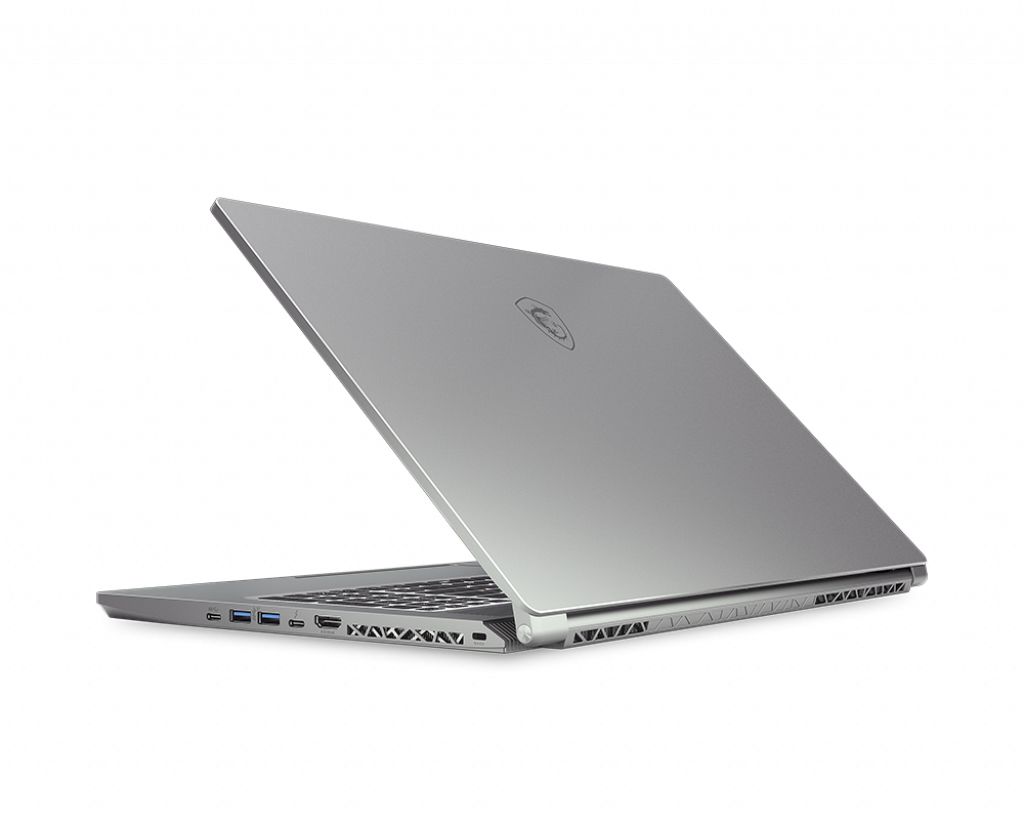

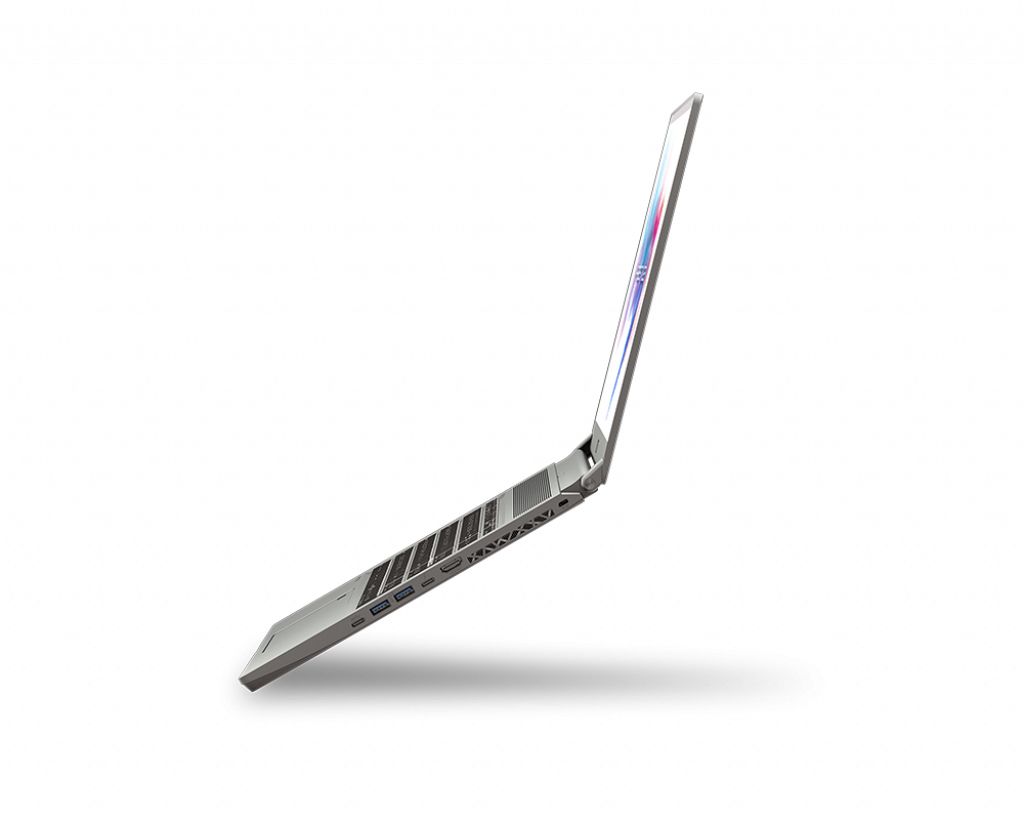

The MSI Prestige P series P75 9SF-473BE Creator laptop features DDR4-SDRAM memory upgrade specifications with 2x SO-DIMM slots supporting maximum capacity of 64 GB RAM. Compatible memory operates at 2666 MHz frequency using SO-DIMM form factor. Upgrade slots accommodate DDR4 modules for enhanced system performance and multitasking capabilities on the Creator platform.
Memory Upgrade Specifications
| Specification | Value |
|---|---|
| Memory slots | 2x SO-DIMM |
| Form factor | SO-DIMM |
| Memory type | DDR4-SDRAM |
| Frequency | 2666 MHz |
| Maximum RAM | 64 GB |
| Voltage | 1.2V |
| Number of pins | 260-pin |
| Interface | PC4 |
| PC Speed Rating | PC4-2666 (PC4-21328) |
| Bandwidth | 21.3 GB/s |
| Laptop Release date | 04 June 2019 |
Additional Notes
- The 2 slot configuration requires complete replacement of existing modules rather than simple addition when upgrading to higher capacities.
- The 2666 MHz frequency specification indicates compatibility with JEDEC standard DDR4-2666 modules running at PC4-21300 transfer rates.
- SO-DIMM form factor physically restricts installation to notebook-specific memory modules measuring 67.6 mm in length versus standard desktop DIMM sizes.
- The MSI Prestige P75 9SF-473BE Creator supports dual-channel memory architecture when populated with matched pairs, enabling doubled theoretical bandwidth compared to single-module configurations.
- Maximum capacity implementation requires 2 modules of 32 GB each, which represents the highest density currently available in SO-DIMM DDR4 format.
- Modules rated above 2666 MHz will automatically downclock to match the supported frequency ceiling, negating any performance benefit from higher-speed purchases.
- ECC memory compatibility remains unavailable in this configuration, limiting error correction capabilities to standard non-ECC modules only.
- Voltage requirements default to 1.2V standard for DDR4 operation, though some modules support dual-voltage profiles that may require BIOS configuration.
- The Intel-based platform in this model enforces strict memory controller limitations that prevent frequency overrides beyond validated specifications.
- Mixed capacity configurations between slots are technically functional but may prevent optimal dual-channel interleaving across the full installed capacity.
- Installation access typically requires complete bottom panel removal on this chassis design, necessitating static discharge precautions during the upgrade process.
- Factory-installed modules may use different latency timings than aftermarket replacements despite matching frequency specifications, potentially affecting stability during mixed configurations.