MSI Prestige P75 9SF-472NL Creator RAM upgrade specifications



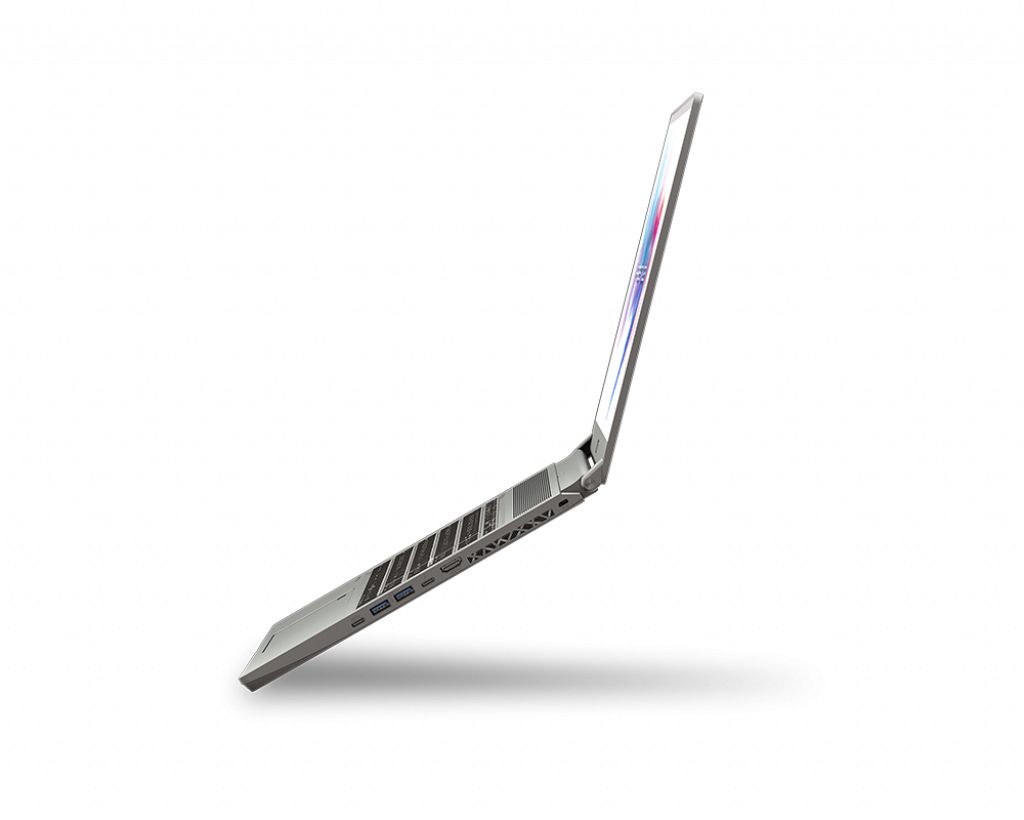

The MSI Prestige P75 9SF-472NL Creator laptop features DDR4-SDRAM memory specifications with two SO-DIMM slots supporting maximum RAM capacity of 64 GB. Compatible upgrade modules operate at 2666 MHz frequency. The notebook accommodates SO-DIMM form factor memory modules for expansion, enabling users to enhance system performance through memory upgrades within the specified maximum capacity constraints.
Memory Upgrade Specifications
| Specification | Value |
|---|---|
| Memory slots | 2x SO-DIMM |
| Form factor | SO-DIMM |
| Memory type | DDR4-SDRAM |
| Frequency | 2666 MHz |
| Maximum RAM | 64 GB |
| Voltage | 1.2V |
| Number of pins | 260-pin |
| Interface | PC4 |
| PC Speed Rating | PC4-2666 (PC4-21328) |
| Bandwidth | 21.3 GB/s |
| Laptop Release date | 04 June 2019 |
Additional Notes
- The MSI Prestige P75 9SF-472NL Creator supports a maximum configuration of 2x32GB modules, requiring matched pairs for dual-channel operation to maintain optimal memory bandwidth.
- The 2666 MHz frequency specification indicates compatibility with JEDEC standard DDR4-2666 modules, which operate at 1.2V and provide 21.3 GB/s theoretical bandwidth per channel.
- SO-DIMM modules feature 260-pin contacts and measure 69.6mm in length, distinguishing them from desktop DIMM configurations and requiring mobile-specific memory modules.
- Mixing modules with different frequencies will result in all modules running at the speed of the slowest installed stick, potentially degrading performance if non-matching memory is added.
- The dual-slot configuration limits expansion flexibility, as upgrading from a pre-installed configuration requires replacing existing modules rather than adding to empty slots.
- Memory modules rated above 2666 MHz will downclock to match the supported frequency, offering no performance benefit while potentially costing more than appropriately-specced alternatives.
- Non-ECC unbuffered (non-registered) SO-DIMM modules are required, as mobile platforms typically lack support for error-correcting or server-grade memory architectures.
- The memory controller operates in dual-channel mode only when modules are installed in both slots, with single-module configurations reducing memory bandwidth by approximately 50 percent.
- CAS latency specifications affect real-world performance, with lower CL ratings at identical frequencies providing marginally faster response times for memory-intensive applications.
- Accessing the SO-DIMM slots typically requires bottom panel removal, which may involve voiding warranty seals depending on regional service policies and warranty terms.
- Thermal considerations require ensuring adequate airflow around memory modules, as sustained high temperatures can trigger thermal throttling or reduce module lifespan.
- DDR4 generation limits backward compatibility, preventing installation of DDR3 or earlier generation modules due to physical keying differences and voltage incompatibilities.