MSI Prestige P75 9SF-464FR Creator RAM upgrade specifications

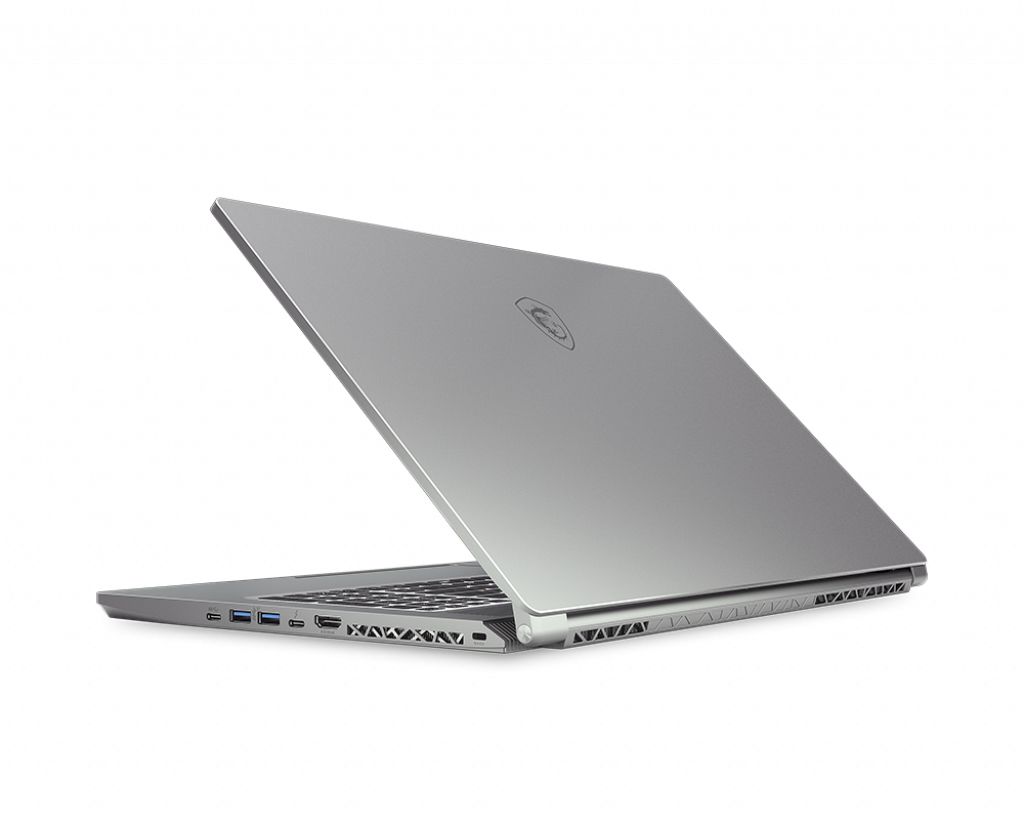
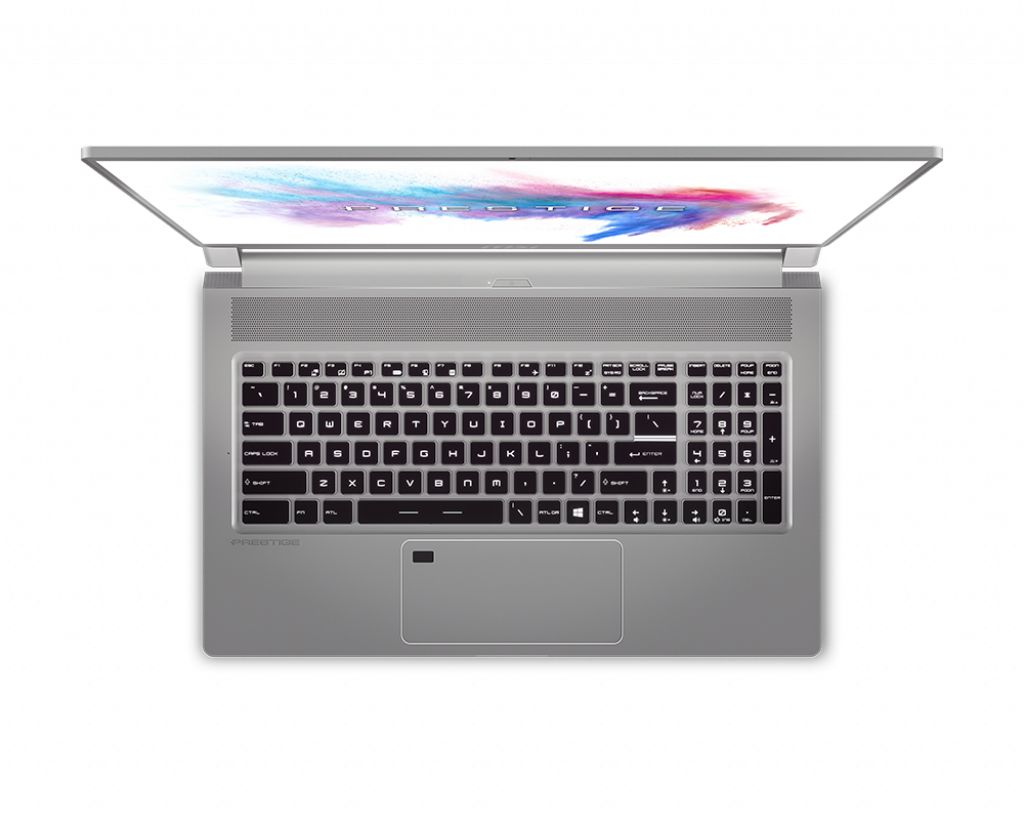
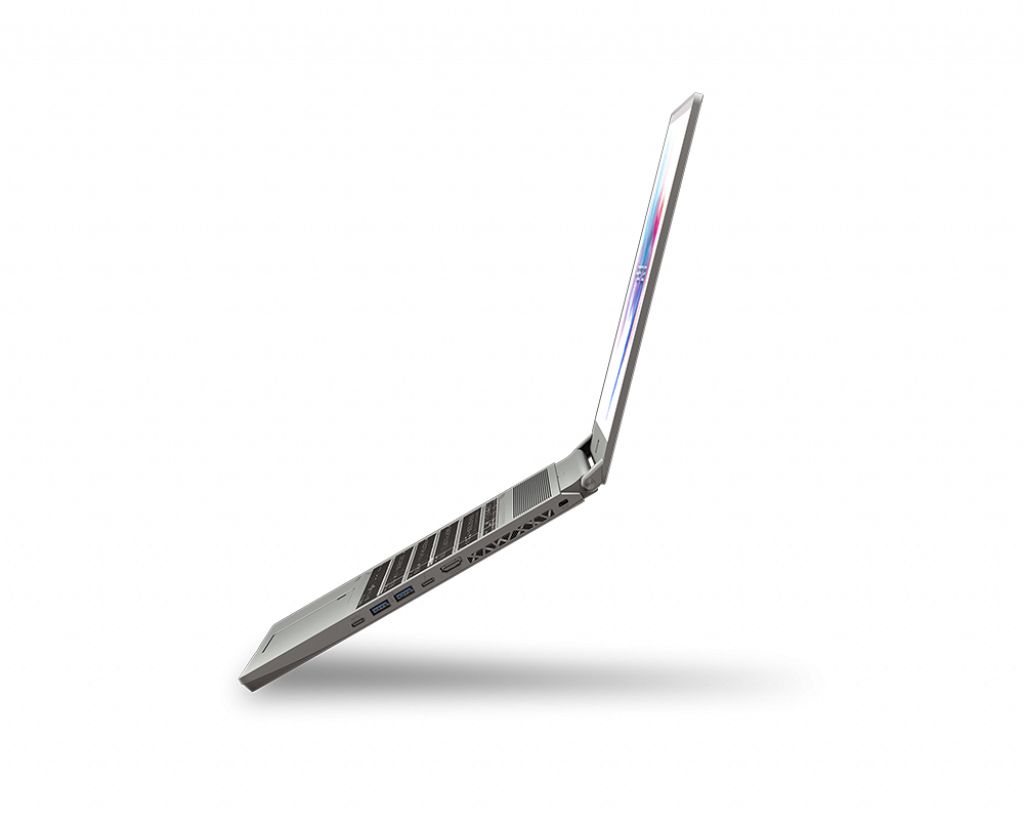
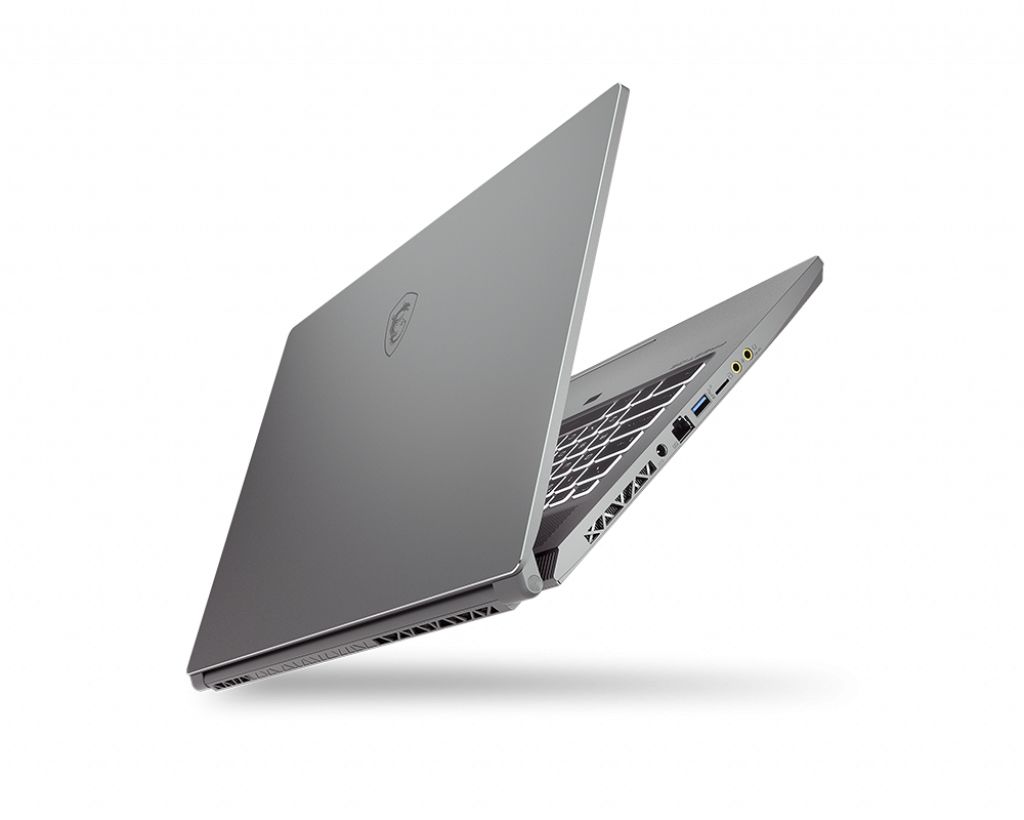
MSI Prestige P series P75 9SF-464FR Creator laptop supports DDR4-SDRAM memory upgrades with 2x SO-DIMM slots. Maximum RAM capacity reaches 64 GB total. Compatible memory modules operate at 2666 MHz frequency with SO-DIMM form factor. Specifications indicate upgrade potential for enhanced multitasking and content creation performance through memory expansion in available slots.
Memory Upgrade Specifications
| Specification | Value |
|---|---|
| Memory slots | 2x SO-DIMM |
| Form factor | SO-DIMM |
| Memory type | DDR4-SDRAM |
| Frequency | 2666 MHz |
| Maximum RAM | 64 GB |
| Voltage | 1.2V |
| Number of pins | 260-pin |
| Interface | PC4 |
| PC Speed Rating | PC4-2666 (PC4-21328) |
| Bandwidth | 21.3 GB/s |
| Laptop Release date | 25 June 2019 |
Additional Notes
- The 2666 MHz frequency operates below the maximum theoretical bandwidth of DDR4 technology, which extends to 3200 MHz in most laptop implementations, indicating a chipset or processor limitation rather than a physical memory controller constraint.
- The MSI Prestige P75 9SF-464FR Creator requires small outline dual inline memory modules rather than full-size desktop components, eliminating cross-compatibility with standard desktop RAM inventories.
- Both memory channels must be populated with identical specifications to enable dual-channel operation, as asymmetric configurations force the system into single-channel mode with approximately 50% bandwidth reduction.
- The 64 GB ceiling necessitates 2 modules of 32 GB density each, which requires double-sided module construction and may generate additional thermal load compared to lower-density configurations.
- Jedec-standard DDR4 operates at 1.2 volts, but verifying voltage compatibility prevents potential stability issues with XMP or overclocked modules designed for 1.35-volt operation that may not function correctly in this platform.
- Memory replacement typically requires complete bottom panel removal rather than dedicated access doors, extending service time and requiring proper anti-static precautions during installation.
- Mixing modules from different manufacturing batches or vendors can introduce timing incompatibilities even when advertised specifications match, as secondary and tertiary timing parameters vary between manufacturers.
- The controller supports ECC unbuffered memory detection but lacks correction functionality, rendering error-correcting modules compatible but without their primary advantage, making non-ECC standard memory the cost-effective choice.
- Upgrading beyond factory-installed capacity does not void the base system warranty under most jurisdictions, but physical damage during installation or use of out-of-specification modules falls outside coverage terms.
- Higher frequency modules will downclock to 2666 MHz automatically, providing no performance benefit while typically commanding a price premium over speed-matched alternatives.