MSI Prestige P75 9SF-890IT Creator RAM upgrade specifications
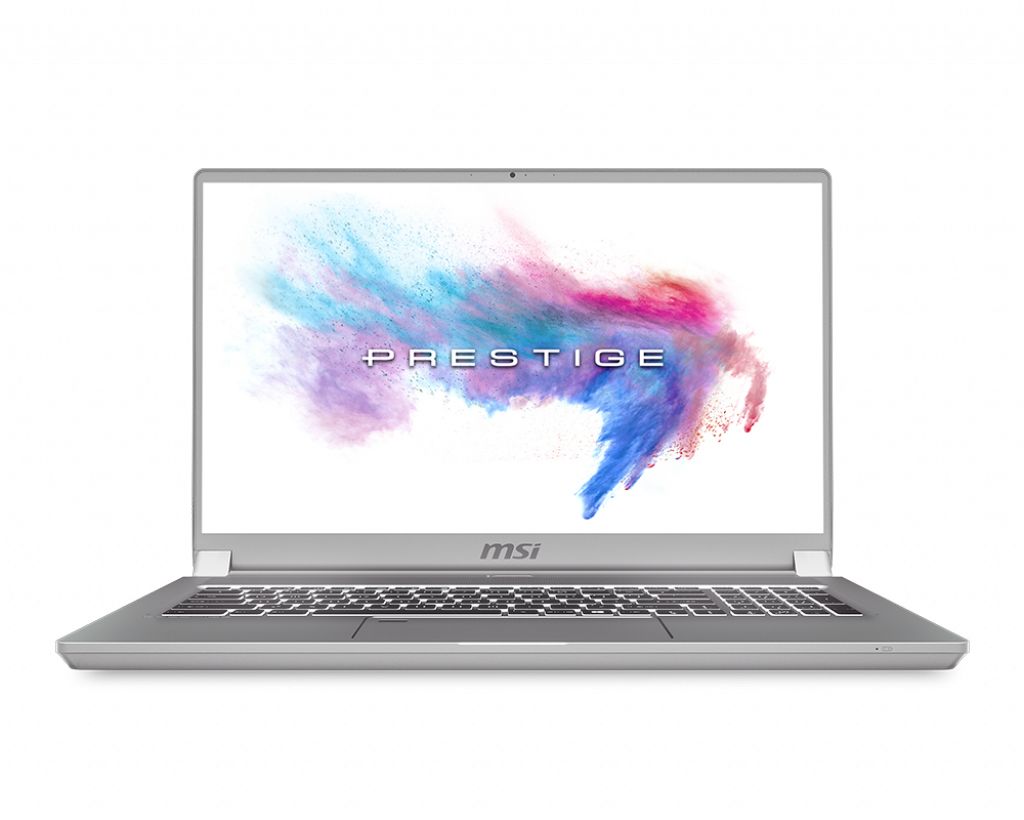
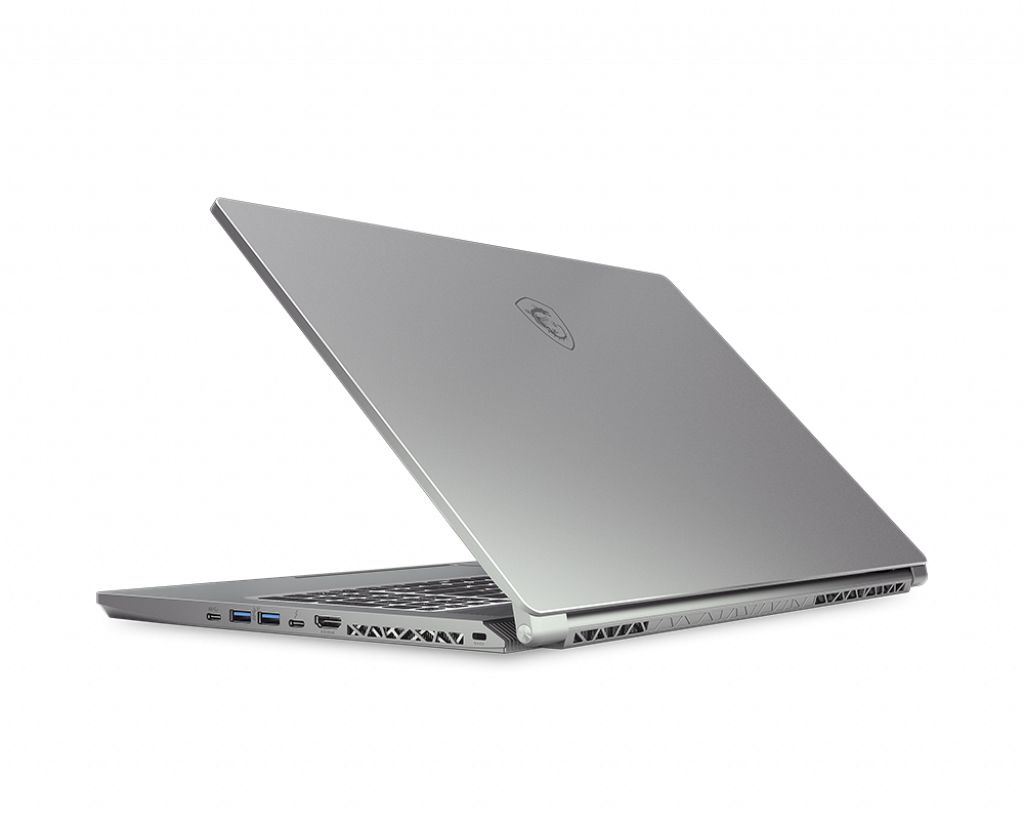
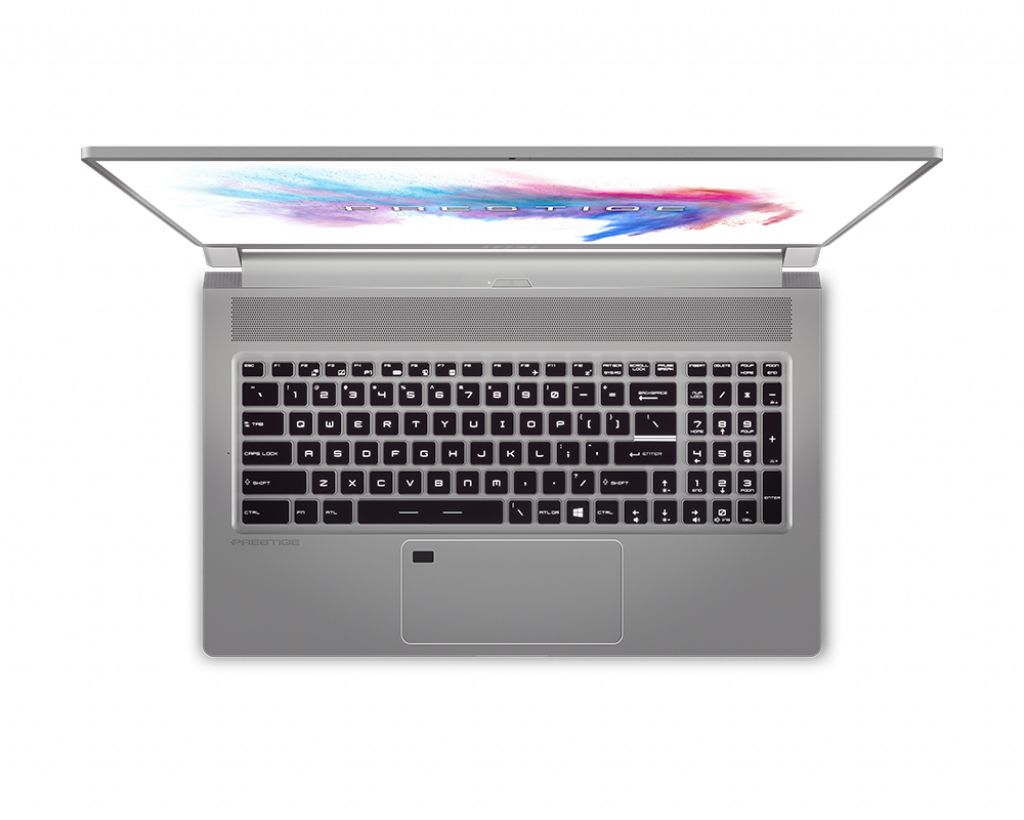
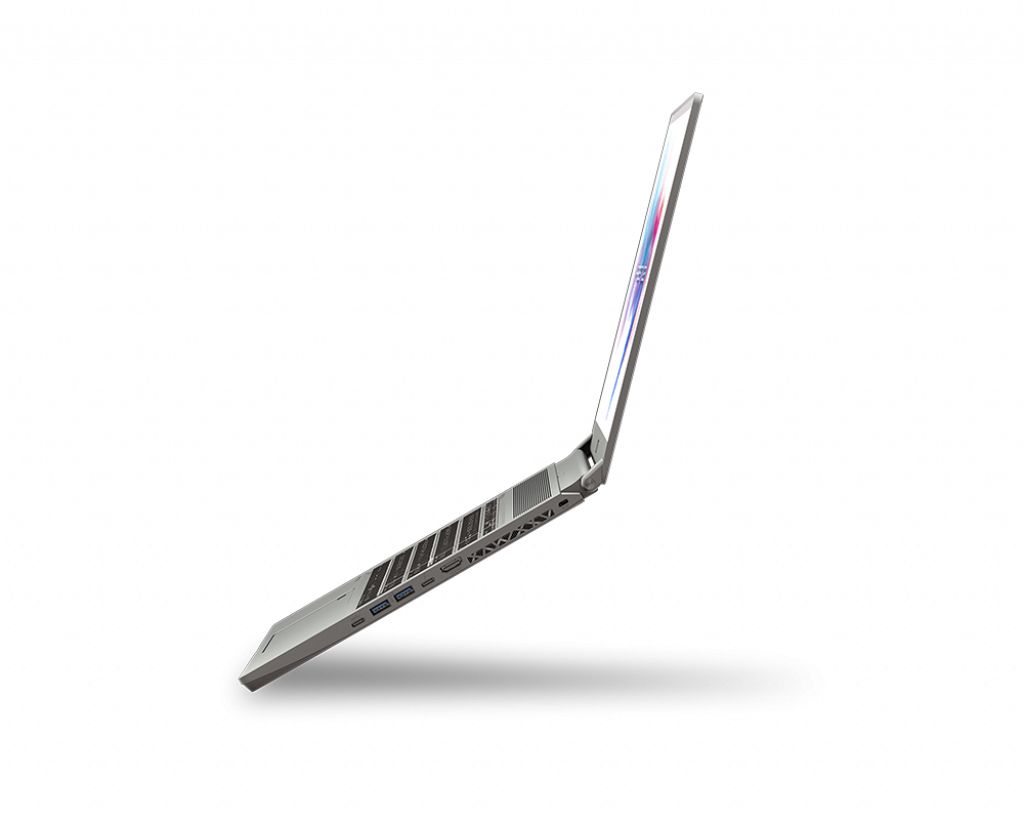
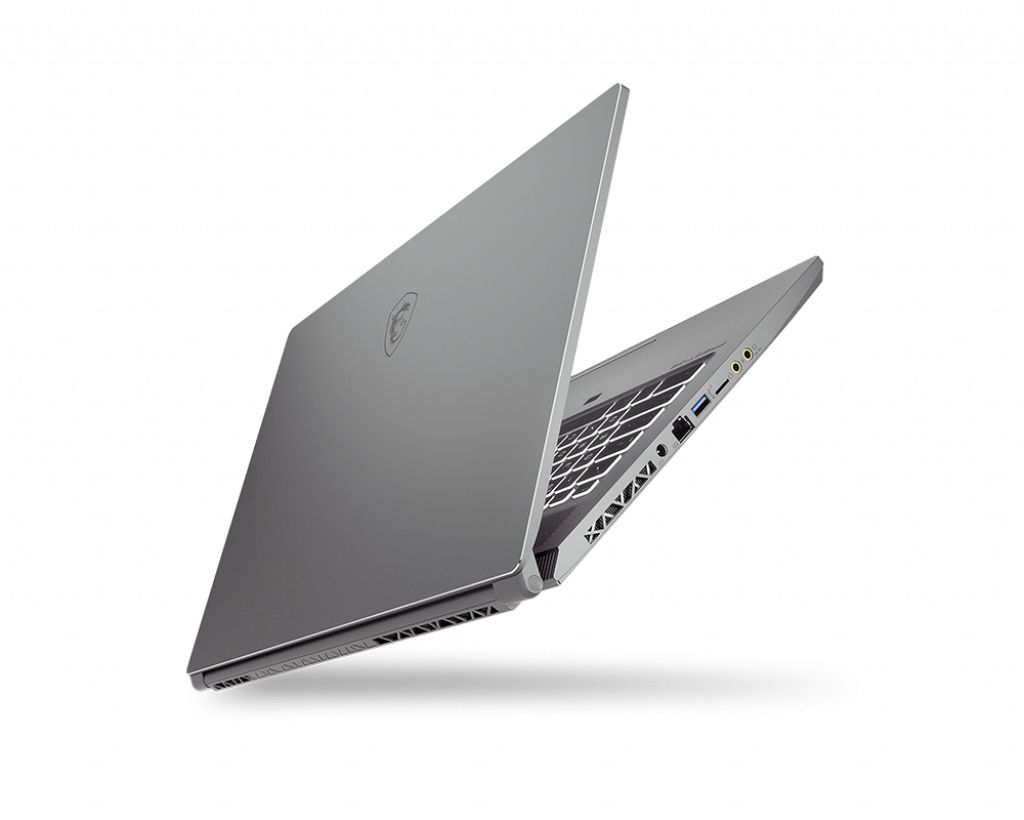
The MSI Prestige P series P75 9SF-890IT Creator laptop features DDR4-SDRAM memory upgrade specifications with two SO-DIMM slots supporting maximum RAM capacity of 64 GB. Compatible memory operates at 2666 MHz frequency. Specifications indicate upgrade capability through dual SO-DIMM slots, enabling users to expand the laptop's memory configuration from the standard allocation to the maximum 64 GB capacity supported by the system architecture.
Memory Upgrade Specifications
| Specification | Value |
|---|---|
| Memory slots | 2x SO-DIMM |
| Form factor | SO-DIMM |
| Memory type | DDR4-SDRAM |
| Frequency | 2666 MHz |
| Maximum RAM | 64 GB |
| Voltage | 1.2V |
| Number of pins | 260-pin |
| Interface | PC4 |
| PC Speed Rating | PC4-2666 (PC4-21328) |
| Bandwidth | 21.3 GB/s |
| Laptop Release date | 04 October 2019 |
Additional Notes
- The MSI Prestige P75 9SF-890IT Creator uses SO-DIMM modules exclusively, requiring laptop-specific memory rather than standard desktop DIMM modules which are physically incompatible due to different pin counts and physical dimensions.
- The 2666 MHz frequency specification indicates DDR4-2666 compatibility, meaning faster modules rated at 3200 MHz or higher will downclock to 2666 MHz when installed, offering no performance benefit despite higher cost.
- The 2-slot configuration means achieving 64 GB maximum capacity requires two 32 GB modules, leaving no room for incremental upgrades without replacing existing memory.
- Installing a single module forfeits dual-channel memory bandwidth, potentially reducing memory-intensive workload performance by up to 25 to 30 percent compared to matched pair configurations.
- The DDR4-2666 standard operates at 1.2 volts, while some higher-performance modules require 1.35 volts or more, which may cause stability issues or prevent POST if the system cannot accommodate non-standard voltage requirements.
- Accessing the SO-DIMM slots typically requires removing the bottom panel, which may involve breaking factory seals that could affect warranty coverage depending on regional service policies.
- Mixed-capacity configurations such as 8 GB plus 16 GB totaling 24 GB will operate in flex mode rather than true dual-channel, reducing bandwidth efficiency for the memory portion exceeding the smaller module size.
- Non-ECC unbuffered modules are required for consumer-grade chipsets in this class, as ECC or registered memory types will be rejected during system initialization.
- The theoretical maximum bandwidth of 42.6 GB per second from dual-channel DDR4-2666 can become a bottleneck for GPU-intensive creative applications that rely heavily on system memory transfers when VRAM is exhausted.
- Mixing modules from different manufacturers or with different timings can force the memory controller to use the slowest common timings, increasing latency even when frequency remains constant at 2666 MHz.