MSI Prestige P75 9SG-1095CA Creator RAM upgrade specifications

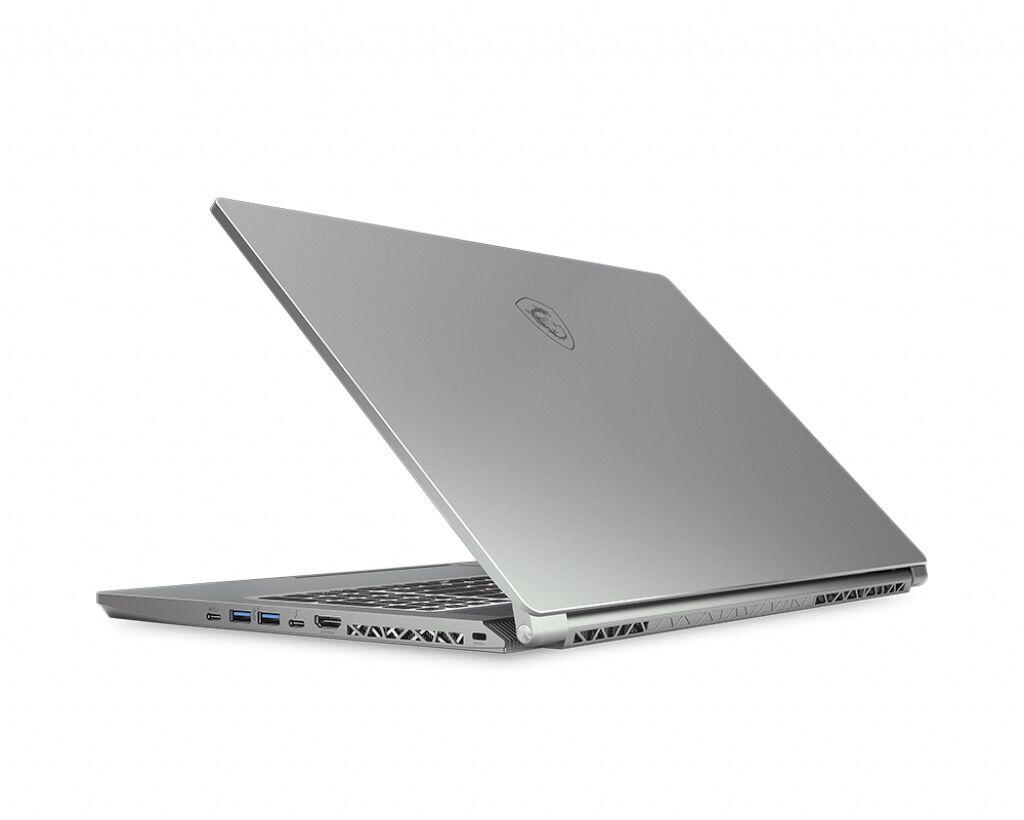

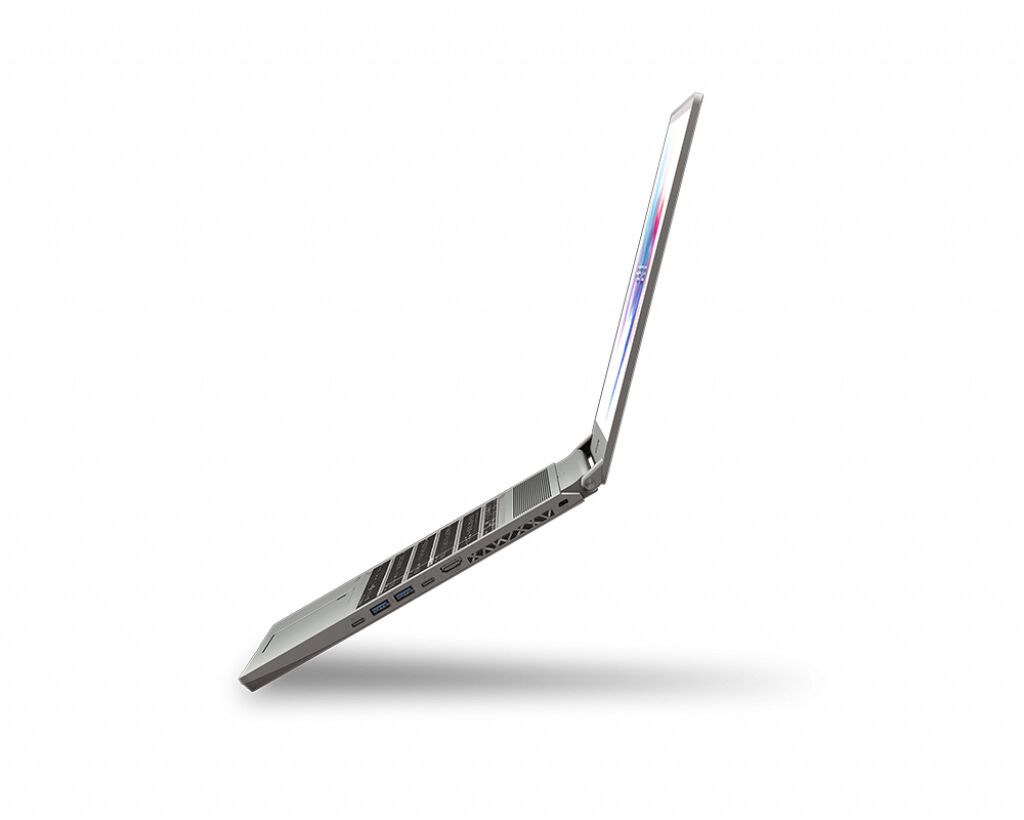
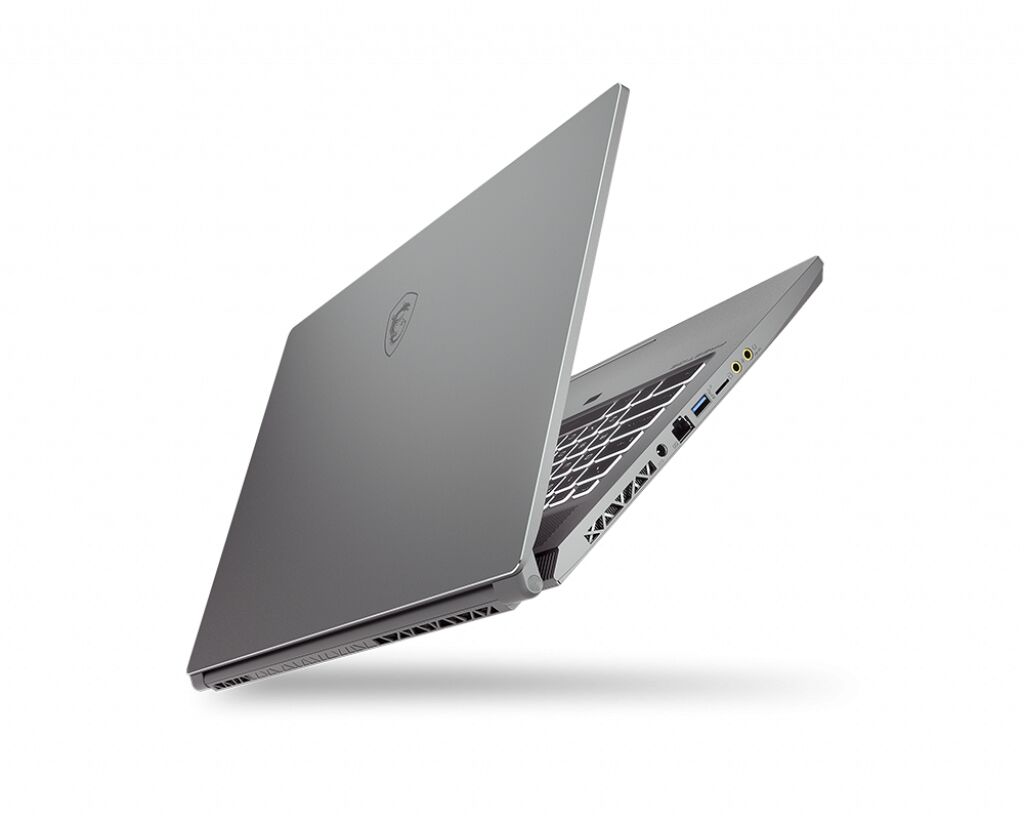
The MSI Prestige P Series P75 9SG-1095CA Creator laptop features DDR4-SDRAM memory with two SO-DIMM slots for upgrade capability. The memory specifications support a maximum RAM capacity of 64 GB total. Compatible memory modules operate at 2666 MHz frequency and utilize the SO-DIMM form factor. Upgrade options allow users to install additional DDR4-SDRAM modules in the available slots to increase system memory capacity for enhanced multitasking and application performance.
Memory Upgrade Specifications
| Specification | Value |
|---|---|
| Memory slots | 2x SO-DIMM |
| Form factor | SO-DIMM |
| Memory type | DDR4-SDRAM |
| Frequency | 2666 MHz |
| Maximum RAM | 64 GB |
| Voltage | 1.2V |
| Number of pins | 260-pin |
| Interface | PC4 |
| PC Speed Rating | PC4-2666 (PC4-21328) |
| Bandwidth | 21.3 GB/s |
| Laptop Release date | 25 November 2019 |
Additional Notes
- The MSI Prestige P75 9SG-1095CA Creator supports dual-channel memory architecture, which delivers approximately double the theoretical bandwidth compared to single-channel configurations when both slots are populated with matched modules.
- The 2666 MHz frequency specification indicates DDR4-2666 standard compliance, providing 21.3 GB/s bandwidth per channel or 42.6 GB/s combined in dual-channel mode.
- Installing a single module will operate in single-channel mode, potentially creating a performance bottleneck for integrated graphics workloads and memory-intensive applications that benefit from higher bandwidth.
- The 64 GB maximum capacity requires 2x 32 GB modules, which must be non-ECC unbuffered SO-DIMM modules to maintain compatibility with consumer-grade mobile platforms.
- Mixing modules with different speeds will force all installed memory to run at the frequency of the slowest module, potentially underutilizing faster RAM.
- SO-DIMM installation typically involves accessing the bottom panel or keyboard assembly, with specific disassembly procedures varying by manufacturer design.
- Memory upgrades performed with third-party modules may void certain warranty provisions depending on regional consumer protection laws and manufacturer policies.
- The DDR4 specification operates at 1.2V standard voltage, ensuring compatibility across modules from different manufacturers adhering to JEDEC standards.
- Latency specifications beyond frequency, such as CAS latency timings, will auto-configure through SPD profiles but may impact responsiveness in latency-sensitive tasks.
- Populating both slots with identical capacity modules ensures interleaved memory access patterns, optimizing burst transfer operations.