MSI Prestige P75 Creator 9SF-298ES RAM upgrade specifications

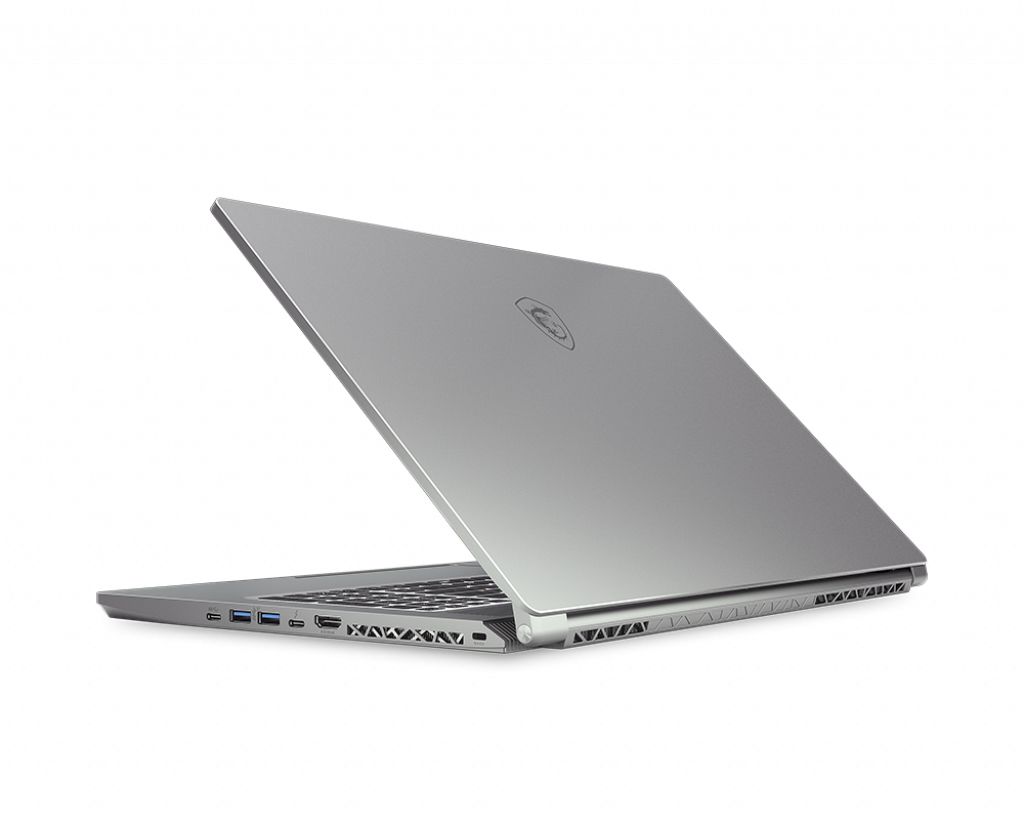
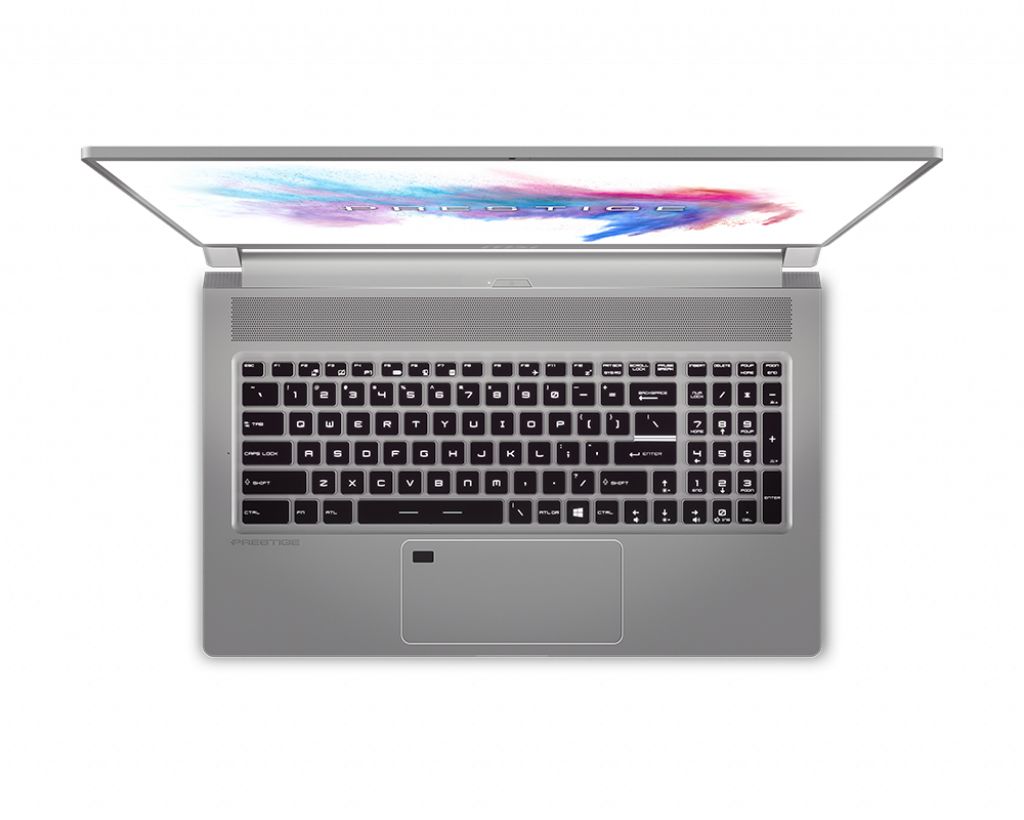
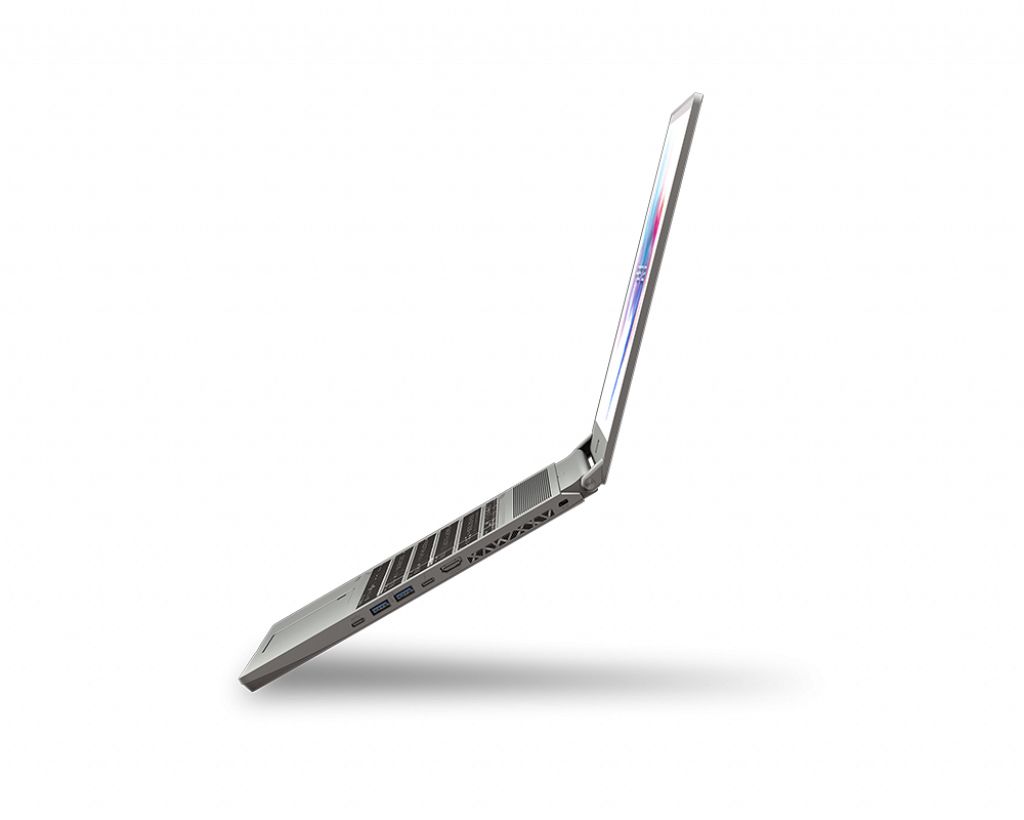

MSI Prestige P Series P75 Creator 9SF-298ES laptop features DDR4-SDRAM memory upgrade specifications. Capacity reaches maximum 64 GB through 2x SO-DIMM slots, each supporting compatible SO-DIMM modules operating at 2666 MHz frequency. Upgrade configurations available range from single to dual populated slots, enabling memory expansion according to system requirements and compatible specifications.
Memory Upgrade Specifications
| Specification | Value |
|---|---|
| Memory slots | 2x SO-DIMM |
| Form factor | SO-DIMM |
| Memory type | DDR4-SDRAM |
| Frequency | 2666 MHz |
| Maximum RAM | 64 GB |
| Voltage | 1.2V |
| Number of pins | 260-pin |
| Interface | PC4 |
| PC Speed Rating | PC4-2666 (PC4-21328) |
| Bandwidth | 21.3 GB/s |
| Laptop Release date | 19 April 2019 |
Additional Notes
- The 2 slot configuration limits upgrade flexibility since both slots must be populated to reach the 64 GB ceiling, requiring complete replacement rather than incremental expansion.
- DDR4-2666 operates at PC4-21300 bandwidth specification, which may bottleneck systems attempting to leverage faster processor memory controllers available in 9th generation Intel architectures.
- SO-DIMM form factor restricts compatibility to laptop-specific modules, eliminating the possibility of using standard desktop DIMM memory regardless of electrical specifications.
- The MSI Prestige P75 Creator 9SF-298ES enforces a 32 GB per slot maximum, preventing use of higher-density 48 GB or 64 GB single modules even if they match the electrical requirements.
- Dual-channel architecture requires matched pairs for optimal memory interleaving, meaning asymmetric configurations like 8 GB plus 32 GB will function but sacrifice bandwidth efficiency.
- The 2666 MHz frequency ceiling prevents utilizing higher-speed DDR4-3200 modules at their rated speeds, as the system will downclock faster memory to match the supported specification.
- JEDEC standard voltage of 1.2V is implied for DDR4-2666, meaning low-voltage or overclocking-oriented modules may encounter stability issues or refuse POST initialization.
- Memory access from the bottom panel typically requires removing the entire lower chassis cover, as opposed to dedicated service hatches found in workstation-class laptops.
- Mixing CAS latency timings between installed modules forces the memory controller to default to the slowest common timing, degrading performance of tighter-latency modules.
- The 64 GB maximum ensures compatibility with 64-bit operating systems but prevents future-proofing beyond this threshold as software memory requirements increase.