MSI Prestige P75 Creator-893 RAM upgrade specifications
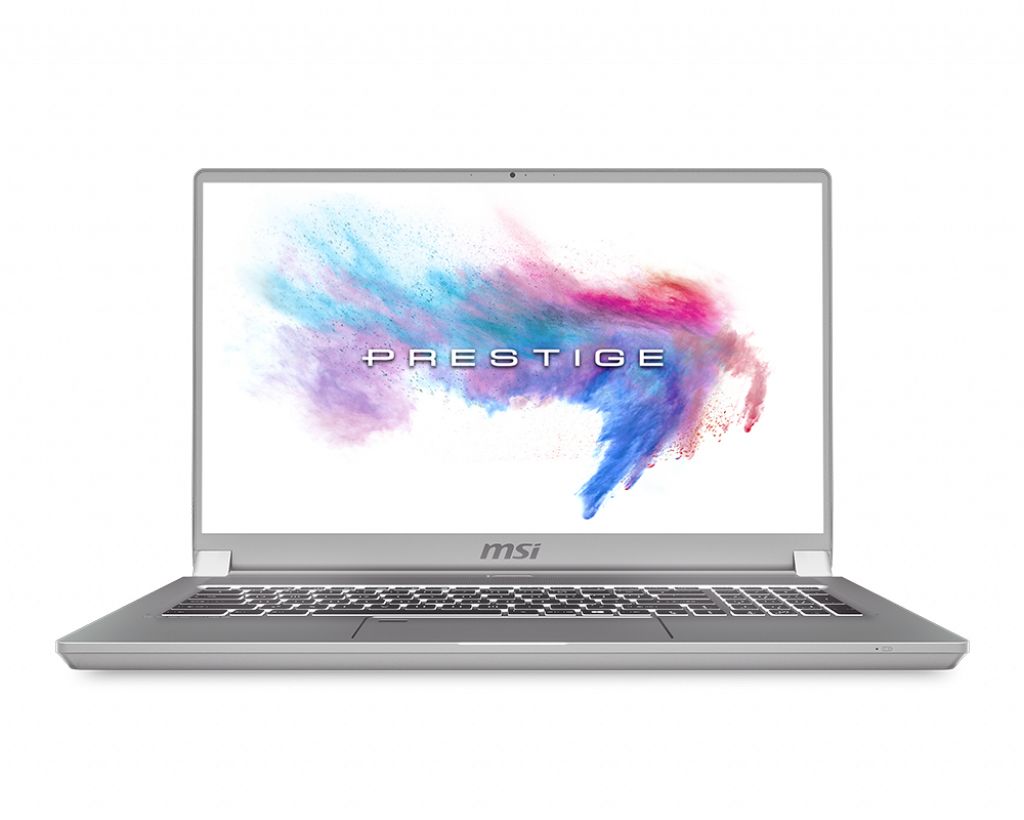
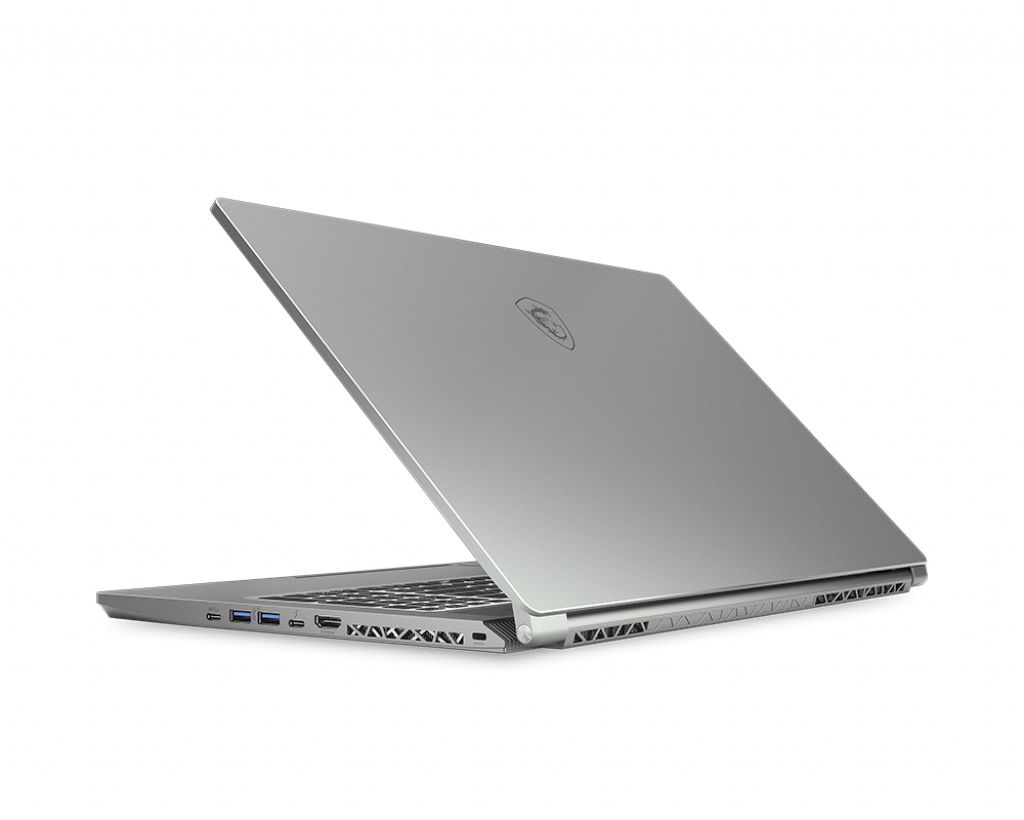
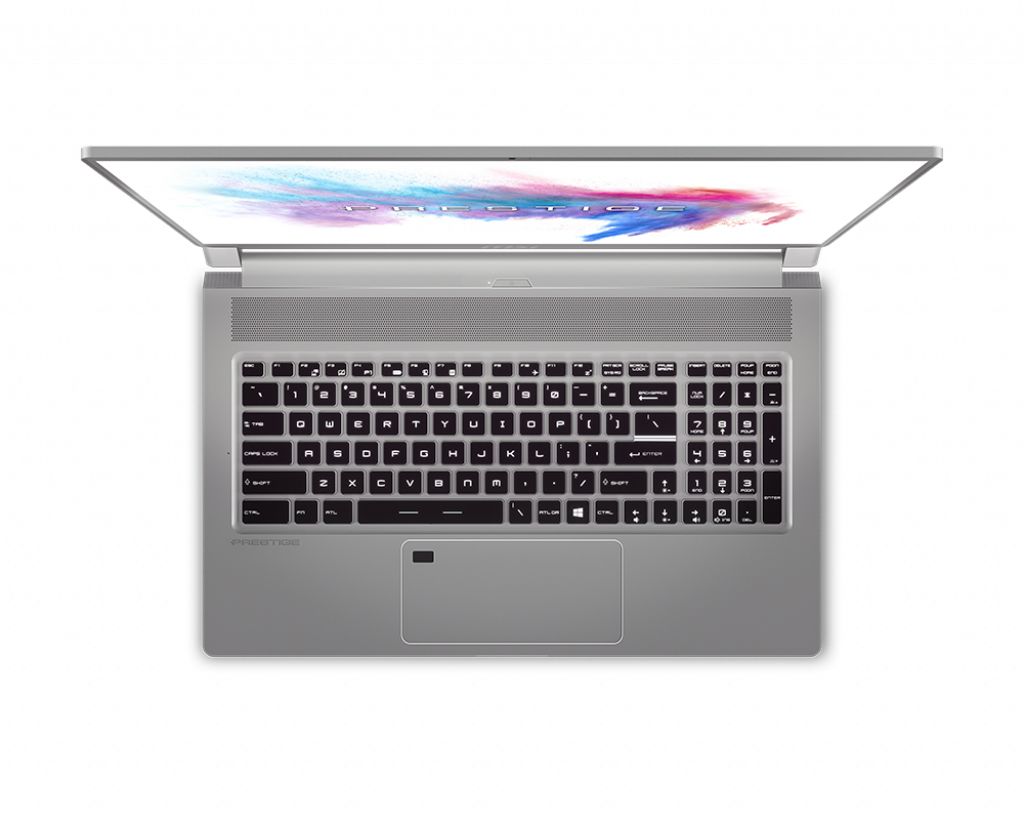
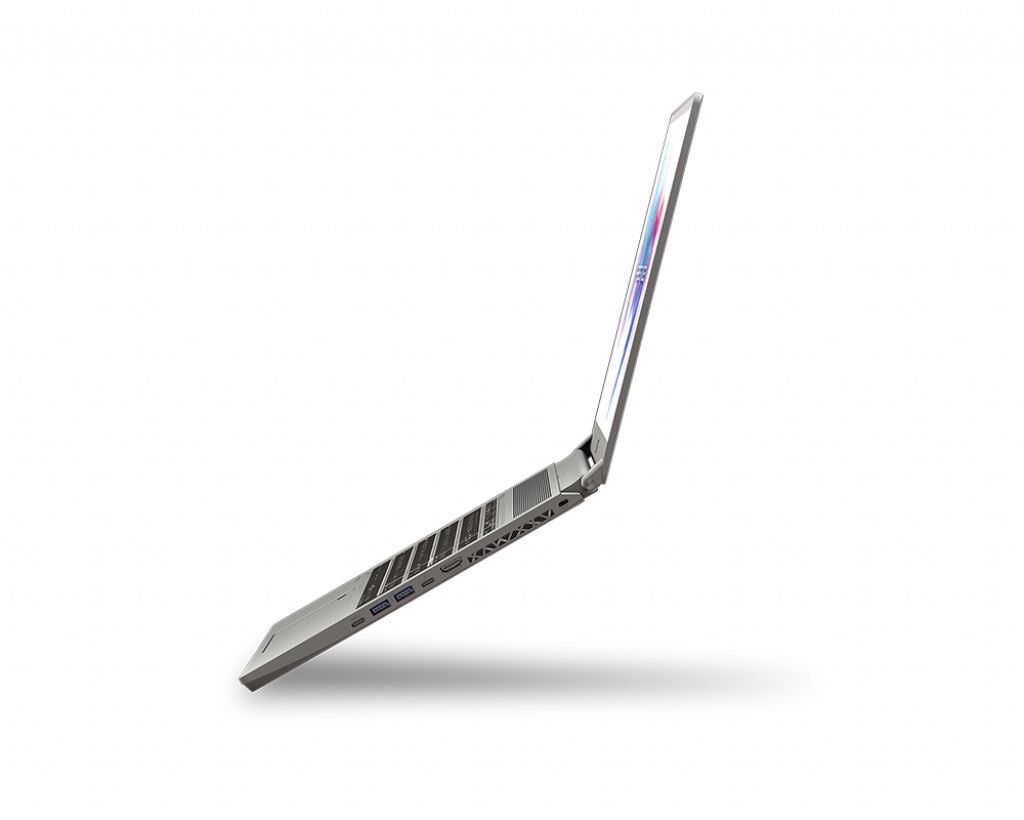
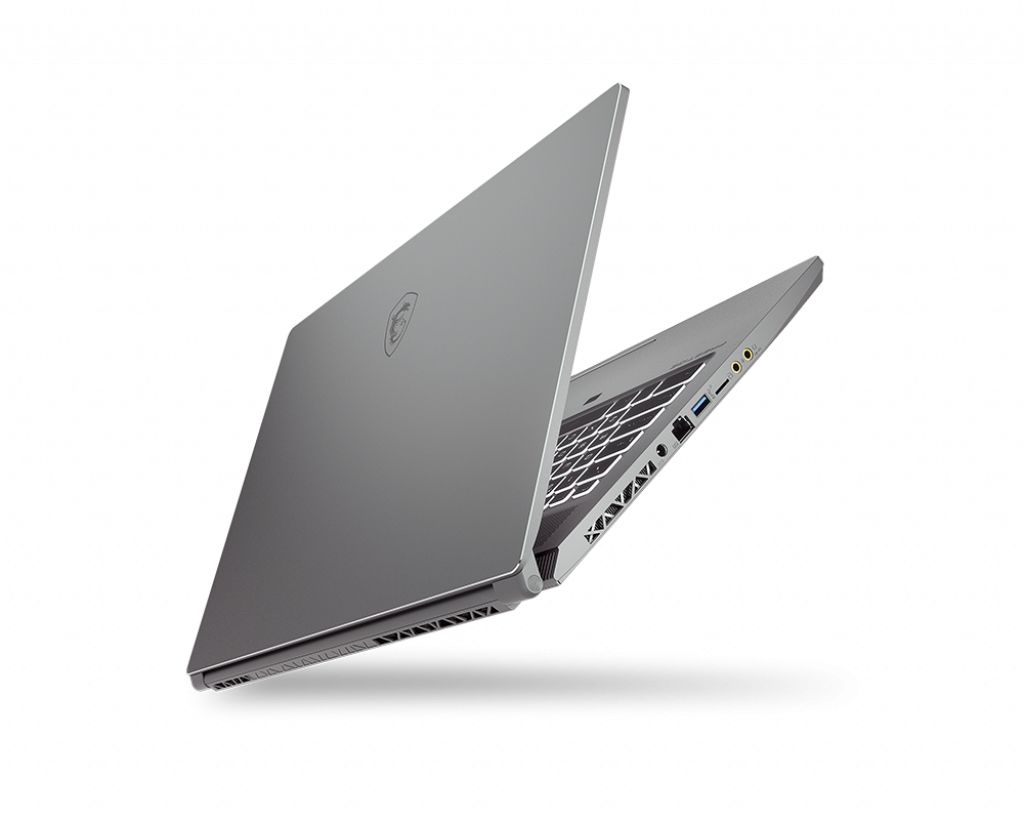
MSI Prestige P75 Creator-893 laptop supports DDR4-SDRAM memory upgrades with 2x SO-DIMM slots. Maximum memory capacity reaches 64 GB total. Compatible RAM operates at 2400 MHz frequency using SO-DIMM form factor. Upgrade specifications enable expanded multitasking and performance capabilities for content creation workflows. Memory configuration supports dual-channel architecture for optimized data transfer rates.
Memory Upgrade Specifications
| Specification | Value |
|---|---|
| Memory slots | 2x SO-DIMM |
| Form factor | SO-DIMM |
| Memory type | DDR4-SDRAM |
| Frequency | 2400 MHz |
| Maximum RAM | 64 GB |
| Voltage | 1.2V |
| Number of pins | 260-pin |
| Interface | PC4 |
| PC Speed Rating | PC4-2400 (PC4-19200) |
| Bandwidth | 19.2 GB/s |
| Laptop Release date | 07 September 2019 |
Additional Notes
- The 2 slot configuration means both positions must be populated simultaneously to achieve the maximum 64 GB capacity using 32 GB modules per slot.
- SO-DIMM form factor excludes all desktop DIMM modules regardless of matching DDR4 specifications due to incompatible physical dimensions and pin configurations.
- The 2400 MHz frequency rating represents the highest officially supported speed, though modern DDR4 modules at 2666 MHz or 3200 MHz will function by downclocking to this validated threshold.
- Mixing modules with different latency timings across the 2 slots may force both to operate at the slower timing profile, potentially degrading performance compared to matched pairs.
- The MSI Prestige P75 Creator-893 chipset enforces dual-channel mode only when both slots contain identical capacity modules, while asymmetric configurations revert to less efficient single-channel operation.
- Installing a single module in either slot leaves half the available memory bandwidth unused, effectively halving throughput for memory-intensive workloads.
- The 64 GB ceiling indicates no support for newer high-density 48 GB modules, as the memory controller lacks compatibility with these higher-capacity chips.
- DDR4 voltage requirements standardized at 1.2V ensure thermal compatibility, but third-party modules exceeding this specification risk triggering thermal throttling in the compact chassis.
- Non-ECC unbuffered modules represent the only compatible architecture, as neither ECC nor registered variants function with mobile chipsets in this configuration.
- Warranty preservation requires avoiding physical modifications to existing factory-sealed RAM compartments on models where memory shares enclosures with non-user-serviceable components.