MSI Prestige PE62 8RC-009XES RAM upgrade specifications

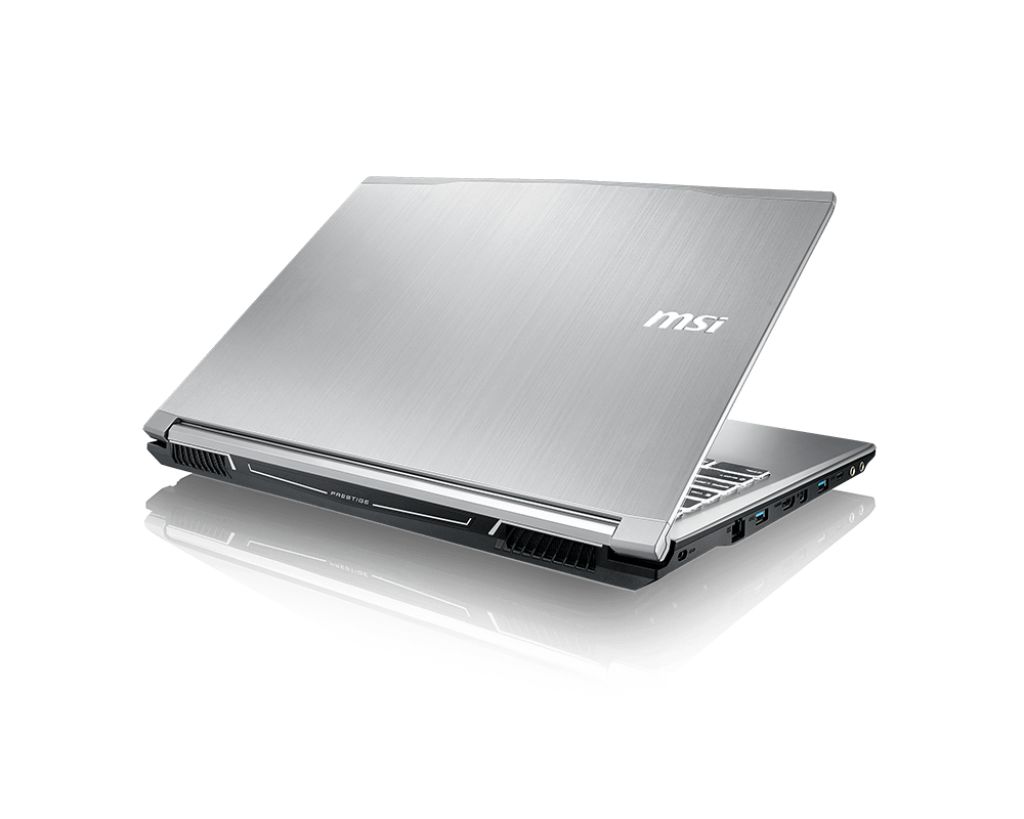


The MSI Prestige PE series model PE62 8RC-009XES features DDR4-SDRAM memory upgrade specifications with two SO-DIMM slots supporting a maximum RAM capacity of 32 GB. The compatible memory operates at 2400 MHz frequency. Upgrade options for this laptop model utilize the SO-DIMM form factor, enabling users to expand the memory configuration by installing compatible DDR4 modules in the available slots. These specifications define the memory upgrade parameters and maximum compatibility limits for the PE62 8RC-009XES laptop.
Memory Upgrade Specifications
| Specification | Value |
|---|---|
| Memory slots | 2x SO-DIMM |
| Form factor | SO-DIMM |
| Memory type | DDR4-SDRAM |
| Frequency | 2400 MHz |
| Maximum RAM | 32 GB |
| Voltage | 1.2V |
| Number of pins | 260-pin |
| Interface | PC4 |
| PC Speed Rating | PC4-2400 (PC4-19200) |
| Bandwidth | 19.2 GB/s |
| Laptop Release date | 16 March 2018 |
Additional Notes
- The DDR4-2400 specification indicates this MSI Prestige PE62 8RC-009XES uses 8th generation Intel Core processors, which natively support this frequency through JEDEC standards without requiring XMP profiles.
- The 32 GB maximum capacity splits into 2 modules of 16 GB each, representing the highest density commonly available in DDR4 SO-DIMM format for this generation.
- Modules faster than 2400 MHz will function but downclock to match the system's native frequency limit, offering no performance benefit despite higher cost.
- The SO-DIMM form factor requires modules approximately 67.6 mm in length, incompatible with standard desktop DIMM memory which measures 133.35 mm.
- Both memory slots remain accessible without disassembling internal components beyond the bottom service panel, preserving manufacturer warranty coverage during installation.
- Single-channel operation occurs when populating only 1 slot, reducing memory bandwidth by approximately 50 percent compared to dual-channel configuration with matched modules.
- Mixed module capacities function correctly but prevent memory interleaving optimization, potentially creating minor latency variations during certain workloads.
- Non-ECC unbuffered modules are required, as registered or error-correcting memory types remain physically and electrically incompatible with consumer laptop chipsets.
- Operating voltage adheres to the DDR4 standard of 1.2V, with low-voltage DDR4L variants unnecessary since standard DDR4 already operates at reduced power versus DDR3.
- CAS latency specifications typically range from CL15 to CL17 at 2400 MHz, though the system auto-configures timing based on SPD chip data regardless of manual preferences.