MSI Prestige PE60 2QD-060-HID004 RAM upgrade specifications
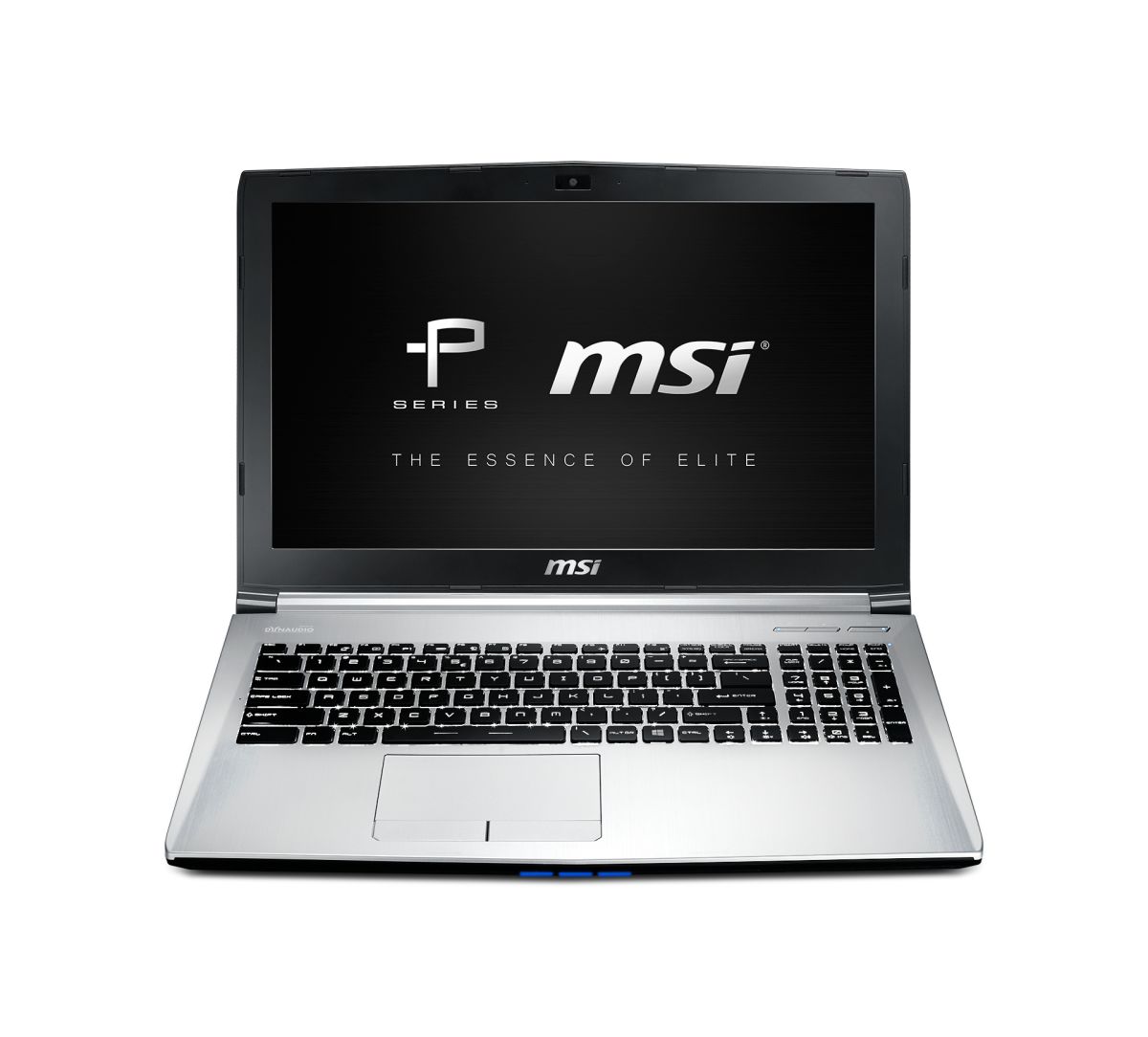
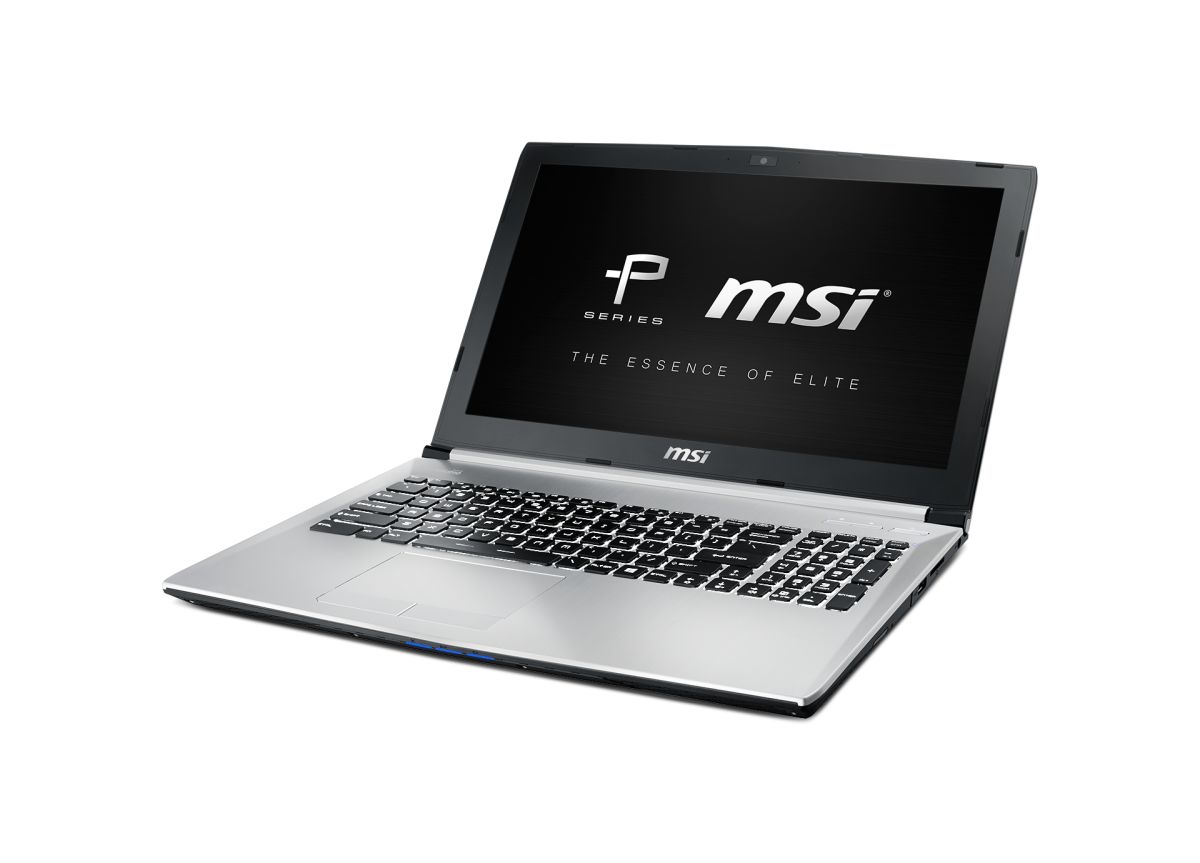
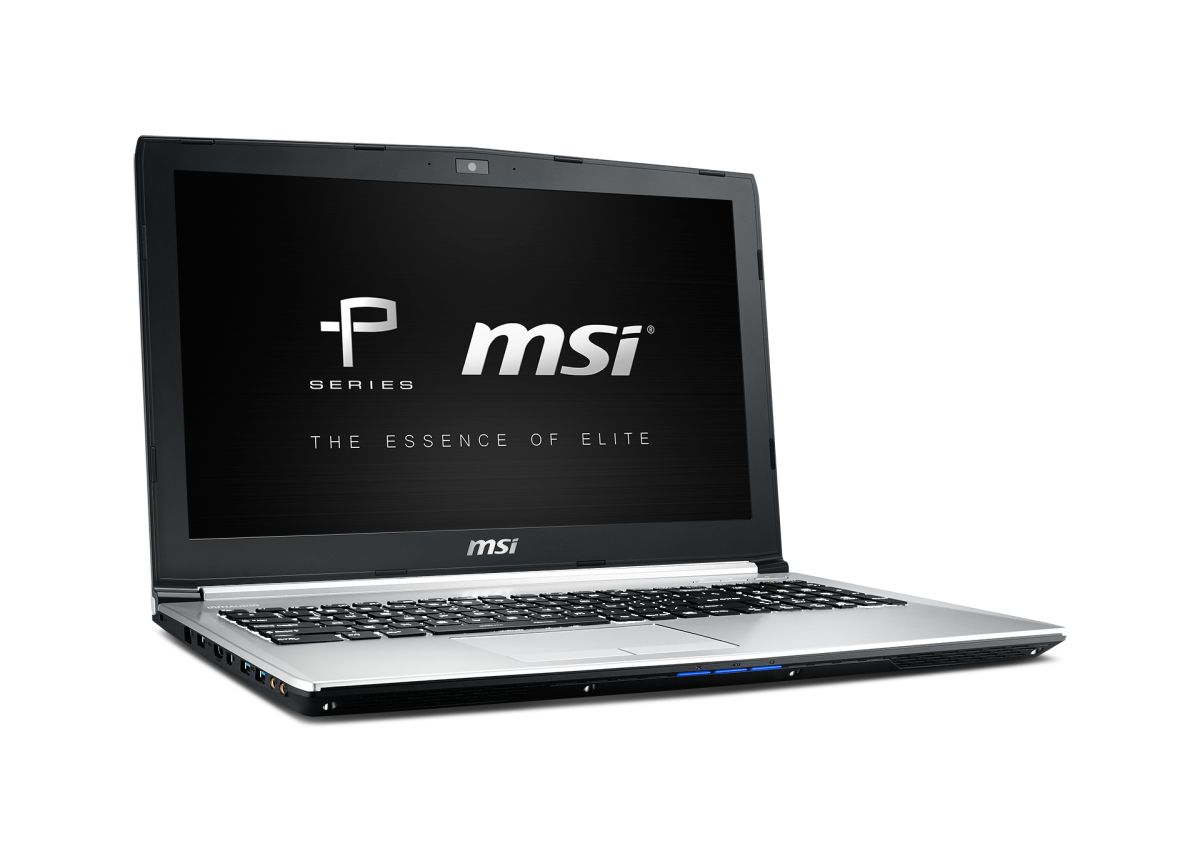
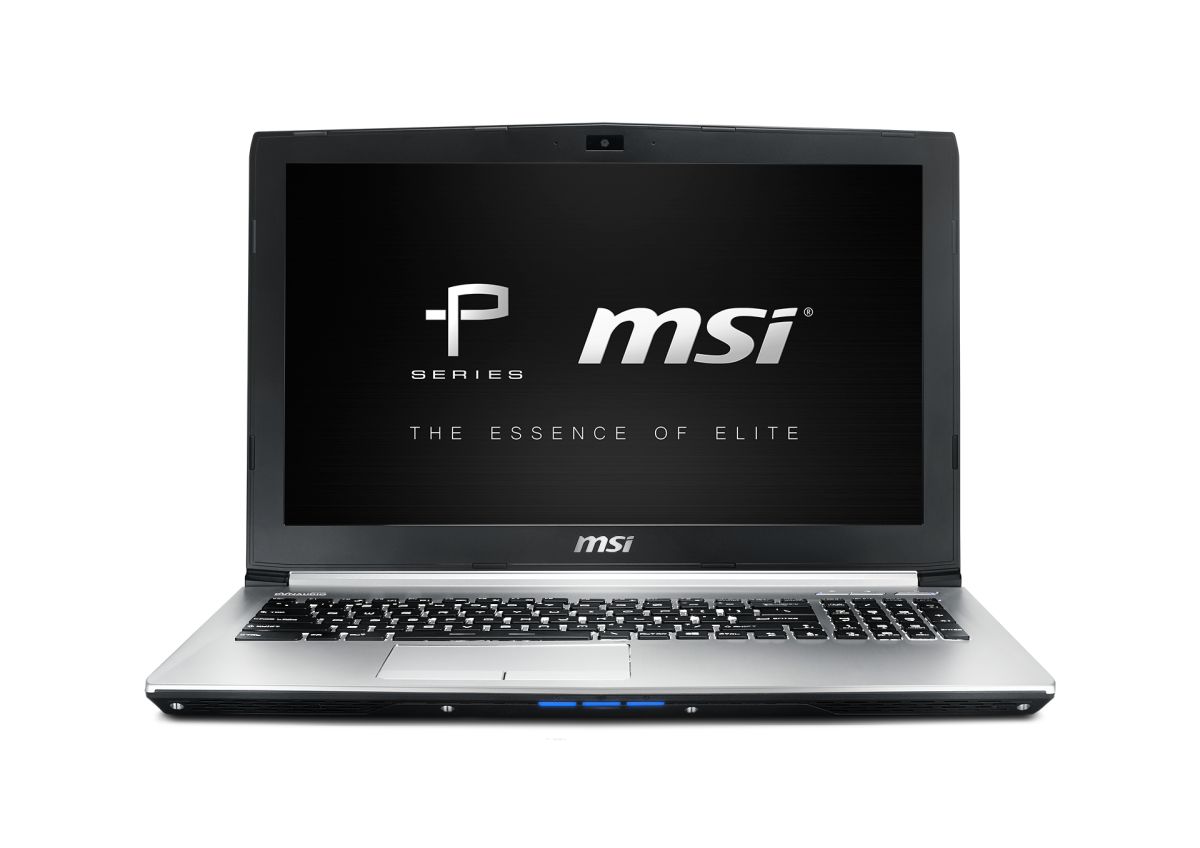

MSI Prestige PE60 2QD-060-HID004 laptop supports memory upgrades using DDR3L-SDRAM technology. The system features two SO-DIMM slots with maximum RAM capacity of 16 GB. Compatible memory modules operate at 1600 MHz frequency. Upgrade specifications indicate support for SO-DIMM form factor modules. The PE60 2QD-060-HID004 model accommodates memory expansion through its dual-slot configuration for enhanced system performance.
Memory Upgrade Specifications
| Specification | Value |
|---|---|
| Memory slots | 2x SO-DIMM |
| Form factor | SO-DIMM |
| Memory type | DDR3L-SDRAM |
| Frequency | 1600 MHz |
| Maximum RAM | 16 GB |
| Voltage | 1.35V (Low Voltage) |
| Number of pins | 204-pin |
| Interface | PC3L |
| PC Speed Rating | PC3L-1600 (PC3L-12800) |
| Bandwidth | 12.8 GB/s |
| Laptop Release date | 15 February 2018 |
Additional Notes
- The MSI Prestige PE60 2QD-060-HID004 accommodates maximum 16 GB total capacity across 2 slots, meaning each slot supports 8 GB modules at ceiling density.
- DDR3L-SDRAM operates at 1.35 V, not standard DDR3 at 1.5 V, creating voltage incompatibility with full-voltage DDR3 modules and potential system instability if standard DDR3 is installed.
- SO-DIMM form factor restricts upgrade sourcing to laptop-grade modules; desktop DDR3L DIMMs cannot physically fit the connector slot.
- 1600 MHz frequency ceiling means modules rated above 1600 MHz will throttle down to match system specifications, eliminating performance gains from higher-rated memory.
- 2 slot configuration provides single upgrade path: either populate one vacant slot or replace existing module, with no expansion beyond 16 GB regardless of module selection.
- DDR3L memory remains widely available in the used and surplus market, supporting cost-effective upgrades without warranty implications for memory-only replacements on this platform.
- Single-channel versus dual-channel configuration depends on current slot population; populating both slots activates dual-channel mode for bandwidth increase, while single module operation runs in single-channel mode with latency penalty.