MSI Prestige PS42 8RB-231NE RAM upgrade specifications

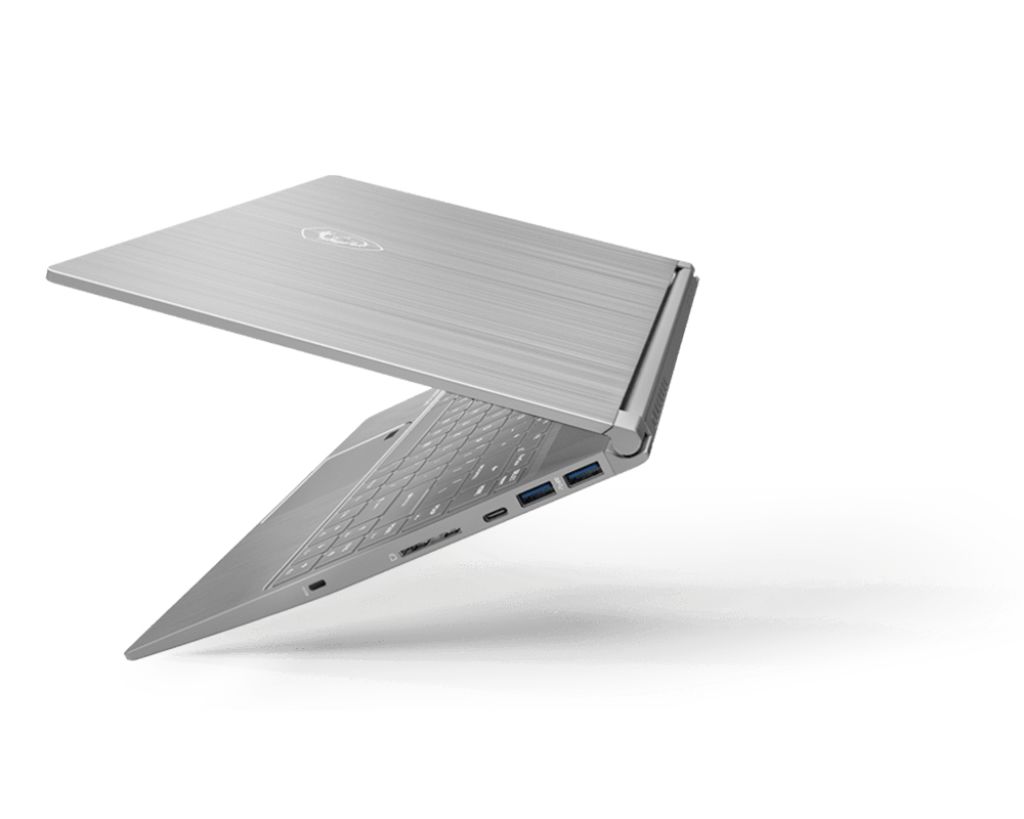



The MSI Prestige PS series model PS42 8RB-231NE contains one SO-DIMM memory slot supporting DDR4-SDRAM upgrades. The laptop features maximum RAM capacity of 16 GB at 2400 MHz frequency. Memory upgrade specifications indicate DDR4-SDRAM SO-DIMM form factor compatibility. Current configuration utilizes single slot architecture. Maximum memory expansion reaches 16 GB capacity through compatible DDR4-SDRAM modules meeting specifications. Upgrade options require SO-DIMM format DDR4 memory operating at 2400 MHz frequency parameters.
Memory Upgrade Specifications
| Specification | Value |
|---|---|
| Memory slots | 1x SO-DIMM |
| Form factor | SO-DIMM |
| Memory type | DDR4-SDRAM |
| Frequency | 2400 MHz |
| Maximum RAM | 16 GB |
| Voltage | 1.2V |
| Number of pins | 260-pin |
| Interface | PC4 |
| PC Speed Rating | PC4-2400 (PC4-19200) |
| Bandwidth | 19.2 GB/s |
| Laptop Release date | 02 November 2018 |
Additional Notes
- The MSI Prestige PS42 8RB-231NE contains only 1 accessible SO-DIMM slot, meaning a single memory module failure eliminates all user-installable capacity without requiring soldered component replacement.
- DDR4-2400 MHz specification indicates this system predates the DDR4-2666 and DDR4-3200 standards adopted in later generations, constraining replacement modules to legacy inventory and potentially limiting cost-effective upgrade options in current markets.
- Maximum addressable capacity of 16 GB represents a hard ceiling imposed by the single slot configuration; expansion beyond this threshold requires complete module replacement rather than additive installation.
- SO-DIMM form factor is mechanically incompatible with standard DIMM modules, and the absence of a second slot prevents compensatory installation strategies if the primary module develops faults.
- Frequency matching to 2400 MHz is mandatory for warranty-safe operation; mixing with faster DDR4 modules triggers automatic downclocking or potential stability issues, negating performance gains from higher-spec components.
- The 1-slot architecture creates a single point of failure for all user-upgradeable memory capacity, distinguishing this design from contemporary dual-channel configurations that provide redundancy and performance headroom through parallel data pathways.