MSI Prestige PS63 8MO-201XFR Modern RAM upgrade specifications
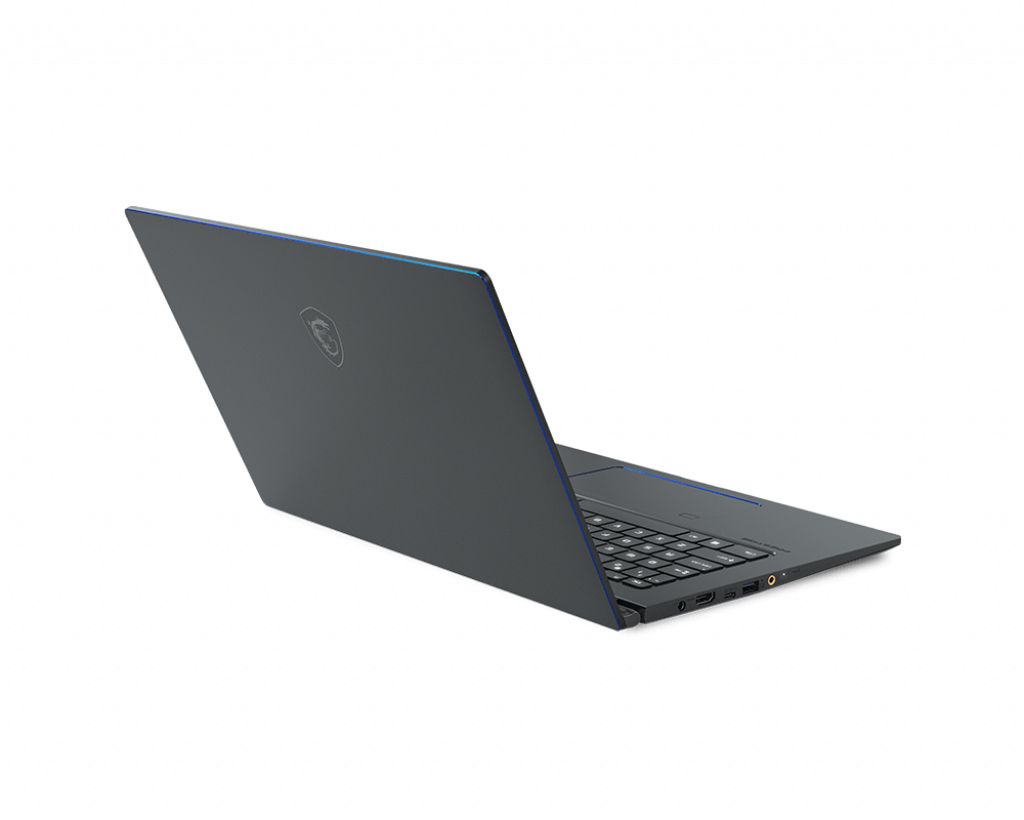
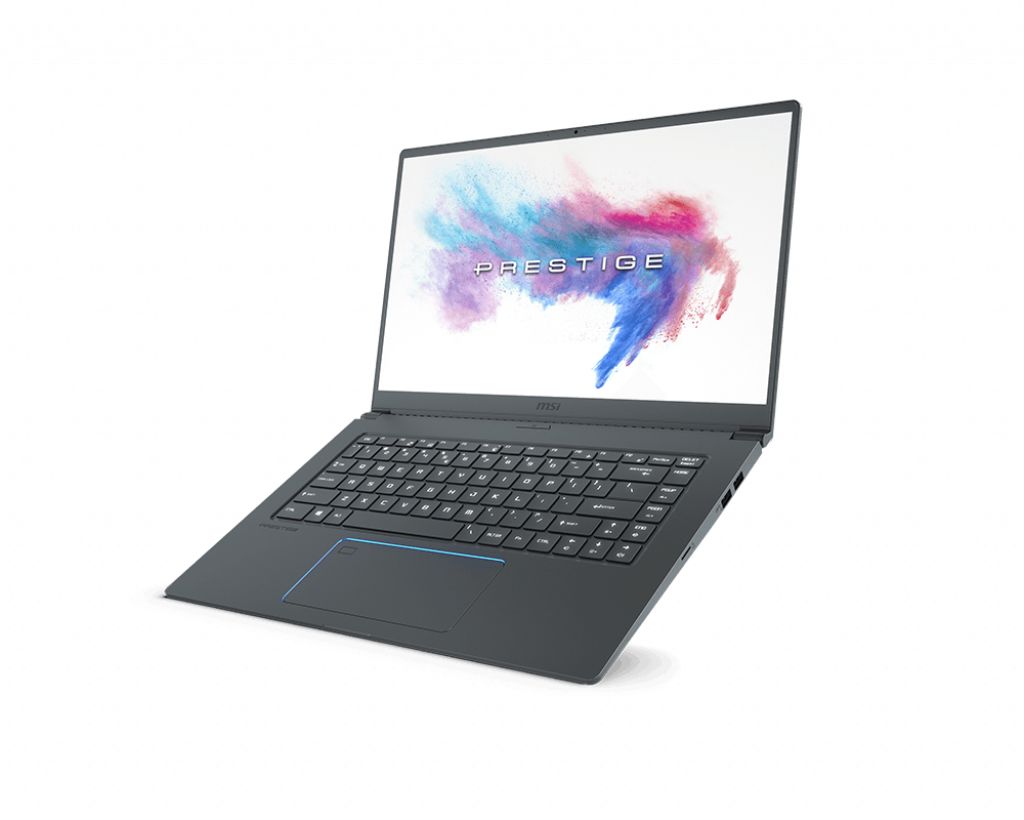
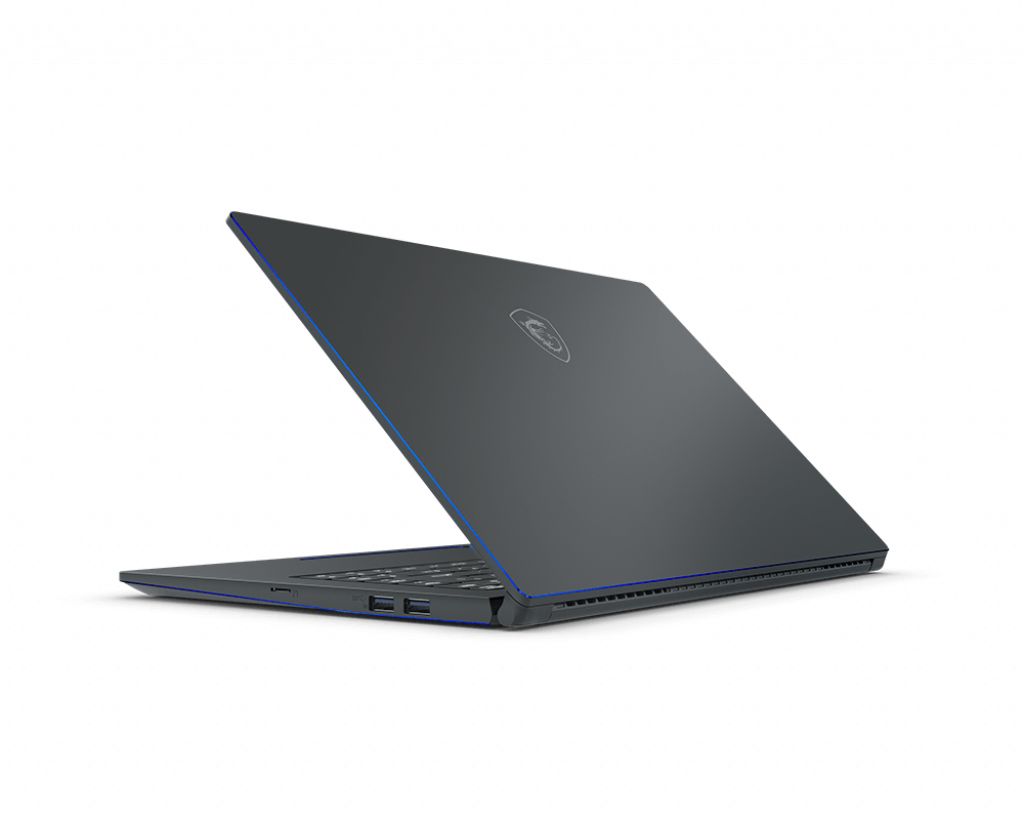
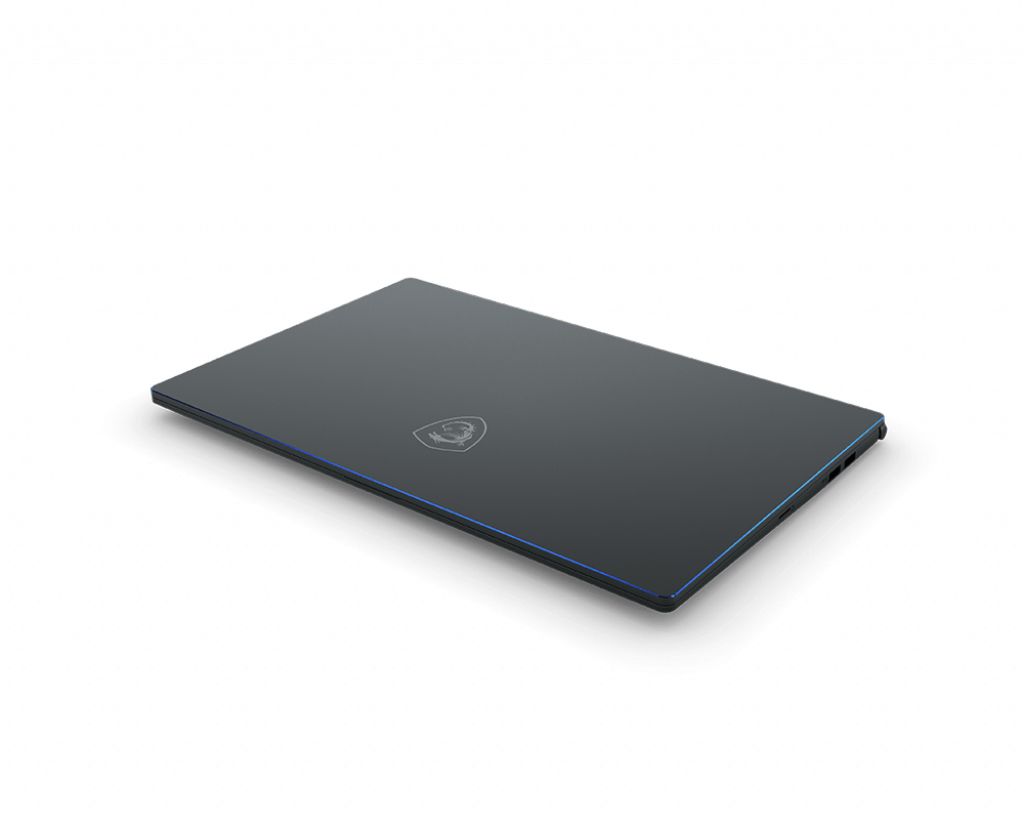
The MSI Prestige PS63 8MO-201XFR Modern laptop contains DDR4-SDRAM memory configured with 2x SO-DIMM slots. The upgrade specifications indicate maximum RAM capacity of 32 GB total. Compatible memory modules operate at 2400 MHz frequency and utilize the SO-DIMM form factor. Existing memory configurations can be expanded by replacing or supplementing installed modules within the available slots to achieve maximum capacity specifications supported by the hardware.
Memory Upgrade Specifications
| Specification | Value |
|---|---|
| Memory slots | 2x SO-DIMM |
| Form factor | SO-DIMM |
| Memory type | DDR4-SDRAM |
| Frequency | 2400 MHz |
| Maximum RAM | 32 GB |
| Voltage | 1.2V |
| Number of pins | 260-pin |
| Interface | PC4 |
| PC Speed Rating | PC4-2400 (PC4-19200) |
| Bandwidth | 19.2 GB/s |
| Laptop Release date | 31 August 2019 |
Additional Notes
- The MSI Prestige PS63 8MO-201XFR Modern supports maximum 32 GB capacity across 2 slots, meaning single-module upgrades beyond 16 GB require complete slot occupancy with no redundancy option for failed modules.
- DDR4-2400 MHz specification indicates this system predates the industry shift to 3200 MHz standards, creating a ceiling on memory bandwidth that cannot be overcome through firmware updates or BIOS modifications.
- SO-DIMM form factor restricts upgrade sourcing to laptop-grade modules only; desktop DDR4 DIMMs are physically incompatible and insertion attempts risk socket damage.
- Dual-slot architecture means asymmetrical configurations (mixing different capacities or speeds) may trigger throttling behaviors or force the system to default both channels to the lower specification, negating performance gains from higher-speed modules.
- Warranty implications follow manufacturer policy; opening chassis to access SO-DIMM slots may void coverage unless the device ships with user-removable memory access panels explicitly documented in service manuals.
- The 2400 MHz frequency floor is binding; purchasing DDR4 modules rated above this speed will operate at downclocked 2400 MHz within this system, meaning cost premiums for 3200 MHz or higher variants provide no functional benefit.